
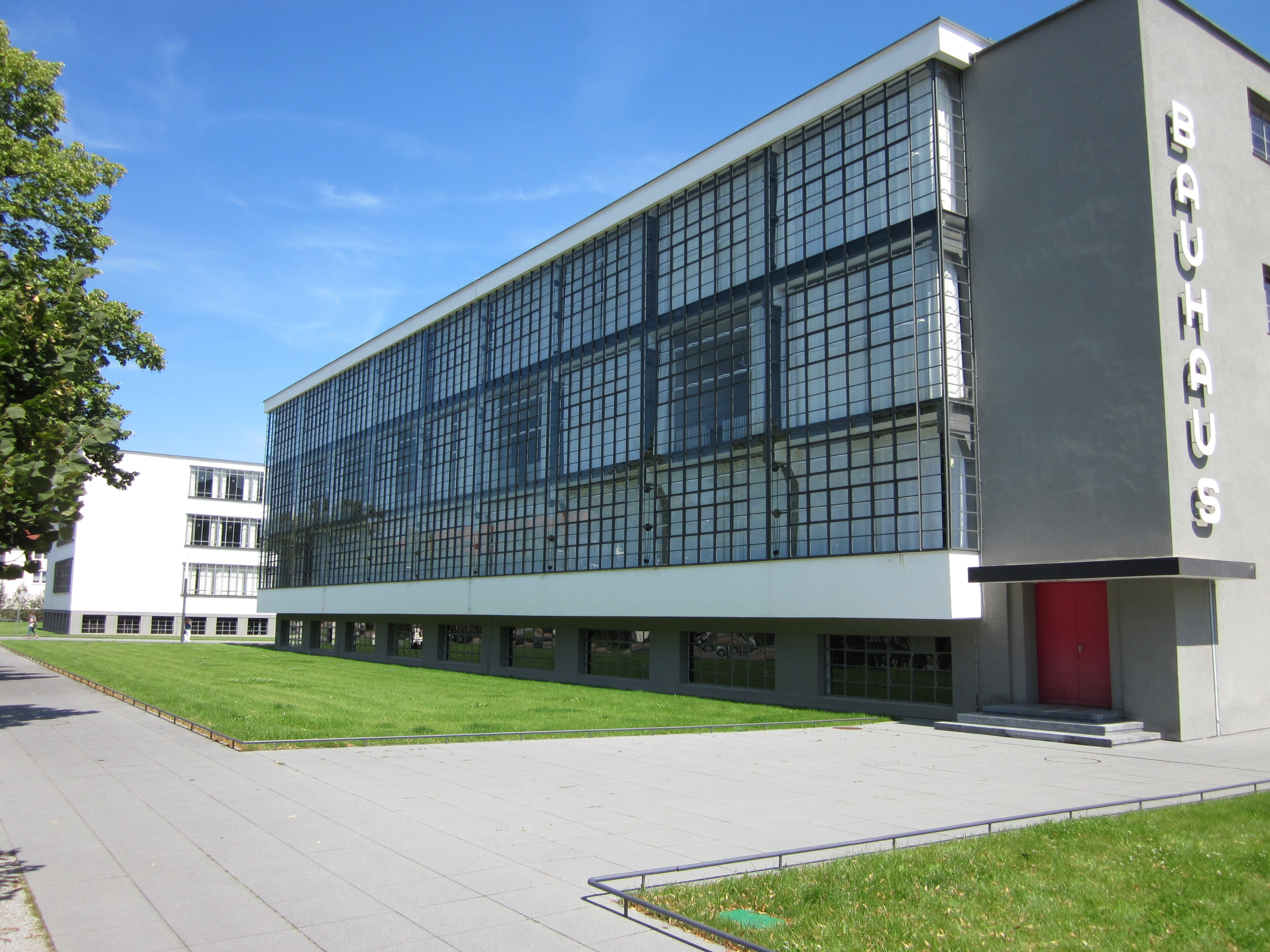
Six buildings across three German cities mark the legacy of the Bauhaus, an experimental art school that operated for just fourteen years but fundamentally reshaped 20th-century design and modernist thinking.
At a glance
This World Heritage designation encompasses six separate architectural sites associated with the Bauhaus school. The inscription comprises buildings from the school’s three principal locations: Weimar (1919–1925), Dessau (1925–1932), and Bernau (1932–1933). Each site reflects the school’s evolving philosophy and pedagogical approach.
History
The Bauhaus operated from 1919 to 1933, a remarkably brief window for an institution of such enduring influence. During this period, the school educated approximately 1,250 students, though only 155 completed the full diploma curriculum. Despite its small scale, the Bauhaus became a crucible for interdisciplinary artistic experimentation and theoretical innovation.
The school’s closure in 1933 marked the end of its formal operation, but its pedagogical principles and design outputs continued to shape global architecture and design for decades. Faculty and graduates dispersed internationally, spreading Bauhaus ideas far beyond Germany’s borders.
What you see
The six inscribed buildings stand as fundamental representatives of Classical Modernism. Designed by Bauhaus masters, they embody the school’s core commitment to functional form, geometric clarity, and the integration of art, craft, and technology. Each site reflects distinct phases of the school’s evolution and teaching methodology.
Cultural significance
The Bauhaus revolutionized 20th-century architectural and aesthetic thinking and practice. The school rejected historical revivalism in favor of rational design principles rooted in materials, function, and industrial production. Its influence extends across architecture, graphic design, typography, industrial design, and fine arts.
These sites are regarded as monuments to historic ideas of the 20th century, representing the modernist conviction that design could improve everyday life and reflect new social values.
Key facts
- Country: Germany
- Cities: Weimar, Dessau, Bernau
- Coordinates: 50.97477, 11.32949
- School operation: 1919–1933
- Total students: approximately 1,250; graduates: 155
- UNESCO World Heritage Site: Designated 1996 (four sites); extended 2017 (two additional sites)
Practical information & getting there
The six sites span three cities in eastern Germany. Weimar and Dessau are well-connected by rail and car; both cities offer visitor facilities and guided tours. Bernau lies north of Berlin. Plan visits to multiple locations if exploring the full heritage inscription. Many buildings remain in active institutional use and access may require advance notice.
Sources & resources
Find it on the map
See this place and what’s around it →📷 Become a Cultural Heritage Online photographer
Share your photos of places: they stay published under your name as the author. The more they're seen, the more you get noticed — and soon a contest will reward the most appreciated photos.
Log in or sign up free to add a photo