Bath — Roman City and Georgian Spa

Bath Somerset England Royal Crescent Georgian Roman Baths Jane Austen UNESCO World Heritage
The Royal Crescent, Bath (the most precisely uniform single Georgian urban arc in the world: 30 houses with an identical facade of 114 Ionic columns arranged in a curved arc 154 m long — the most precisely column-counted single Georgian urban composition in any British UNESCO heritage city; designed by John Wood the Younger, 1767–1775 CE — the most precisely father-and-son single Georgian Bath architect pair: John Wood the Elder designed the adjacent Circus (1754 — the most precisely circular single Georgian housing composition in any English heritage city: 33 houses in a complete circle, inspired by Stonehenge and the Roman Colosseum — the most precisely prehistoric-and-Roman single compositional reference in any Georgian architectural design); the Bath stone (the most precisely oolitic single local building material in any English UNESCO heritage city: all Georgian Bath buildings are constructed from the honey-coloured oolitic limestone quarried at Combe Down — the most precisely single-quarry single Georgian urban aesthetic in Britain; the colour (the most precisely honey-gold single urban townscape in any English UNESCO heritage city: the warm Bath stone colour gives the entire Georgian city its distinctive golden appearance — the most precisely colour-unified single Georgian urban heritage ensemble in Britain), Bath, Somerset, England, United Kingdom — UNESCO World Heritage Site (City of Bath) 1987. Photo via Wikimedia Commons.
Bath, Somerset, England (156 km west of London; 24 km from Bristol) · Aquae Sulis Roman spa town from c.60 CE; 1.17M litres of 45°C water per day from sacred spring (most precisely thermally-stable single Roman bathing spring in any British UNESCO site); Georgian cityscape (Royal Crescent 1767-1775 = most precisely uniform single Georgian urban arc; Circus 1754; Pulteney Bridge; honey-gold Bath stone = most precisely colour-unified single Georgian urban heritage ensemble in Britain); Jane Austen lived here 1801-1806 (most precisely Bath-associated single English novelist; Jane Austen Centre); 4.5M visitors/year · UNESCO WHS 1987

Bath — Roman City and Georgian Spa

The only city in England where Roman baths, Georgian architecture, and Jane Austen’s social world converge on the same streets — Bath, built around a sacred thermal spring that has flowed at 45°C for 10,000 years, was Rome’s most important spa in Britain, re-emerged as the most fashionable 18th-century resort in England, and today preserves the only complete Roman bathing complex in Britain alongside the most precisely uniform Georgian urban landscape in the world.

At a glance

Bath (the most precisely thermal-spring single UNESCO WHS in England: the hot spring at the centre of Bath flows at 1.17 million litres per day at a constant 45°C — the most precisely temperature-constant single UNESCO thermal heritage site in Britain; the springs have been flowing at 45°C for at least 10,000 years — the most precisely geothermal single continuous heritage site in British history; the two phases (the most precisely Roman-and-Georgian single dual-heritage city in England: Bath has two outstanding heritage layers — the Roman (1st–4th century CE) and the Georgian (18th century) — the most precisely double-century single heritage overlap in any English UNESCO city; the transition between the layers (the most precisely complete single heritage gap: from the departure of the Romans in the 5th century CE to the Georgian revival in the 1720s, Bath had a period of approximately 1,200 years as a modest medieval town — the most precisely gap-filled single English heritage city)).

Key facts

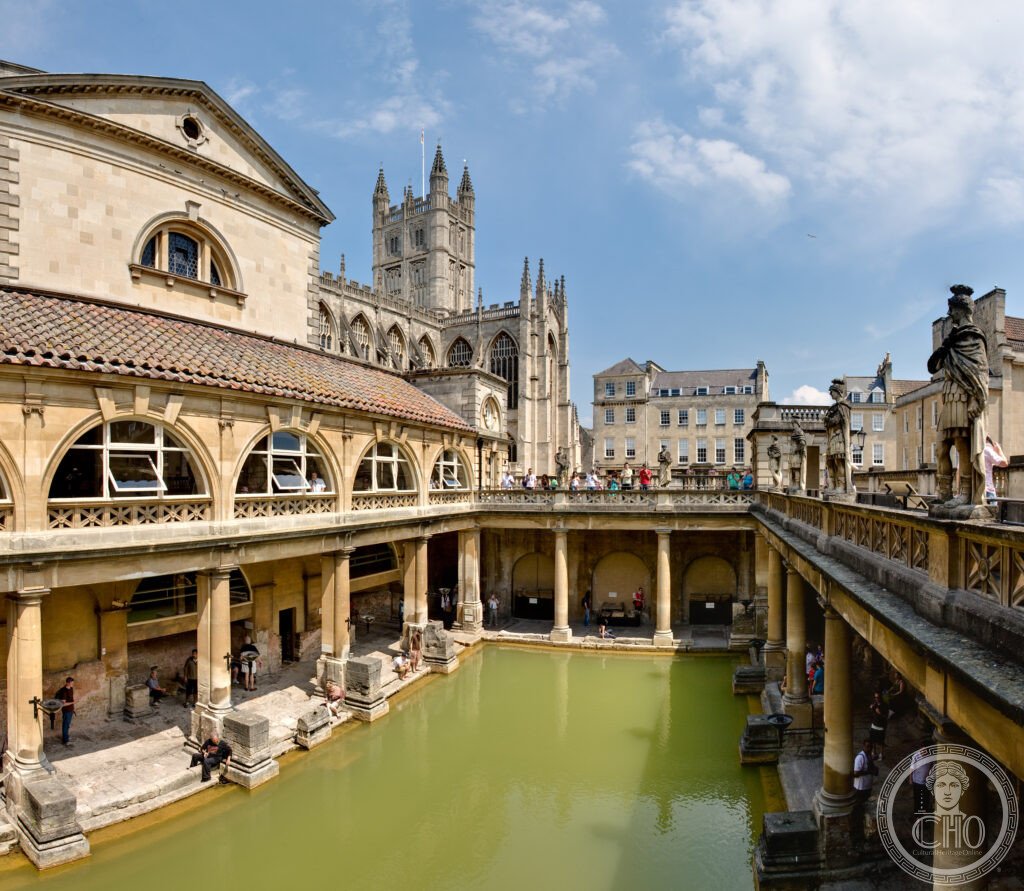
  • The Roman Baths: the most precisely intact single Roman bathing complex in Britain — the construction (the most precisely Boudicca-delayed single Roman heritage construction: construction of the bath complex began under the Roman Governor Gnaeus Julius Agricola around 60–70 CE — the most precisely governor-built single Roman bathing complex in any British UNESCO site; the complex grew over 300 years — the most precisely incrementally-expanded single Roman bathing infrastructure in Britain); the sacred spring (the most precisely Sulis-Minerva single Roman-Celtic goddess: the Romans called the spring “Aquae Sulis” — the most precisely place-name single Roman thermal heritage: the name “Aquae Sulis” (waters of Sulis — the most precisely Celtic single goddess name preserved in a Roman place name in any British UNESCO heritage city); the gilt-bronze head of Sulis Minerva (the most precisely gold single Roman cult statue fragment in any British heritage museum: found during excavations in 1727 — the most precisely 18th-century single major Roman discovery in any British heritage city)); the museum (the most precisely Roman single museum collection in any British UNESCO site: the Roman Baths Museum has the most precisely sacred-object single Roman votive deposit collection in Britain: over 130 curse tablets (the most precisely lead single curse-writing medium in any Roman site: petitioners wrote their curses on thin lead sheets and threw them into the sacred spring — the most precisely aquatic single curse-deposit in any Roman British heritage site))
  • The Georgian city: the most precisely planned single Georgian urban heritage in England — the Circus (designed by John Wood the Elder, begun 1754 — the most precisely Stonehenge-circular single Georgian housing composition: the circular plan of 33 houses was inspired by Stonehenge — the most precisely prehistoric single architectural reference in any Georgian heritage building; the plane trees at the centre (the most precisely Circus single focal point: enormous plane trees now fill the centre of the Circus — the most precisely tree-grown single Georgian housing ring in any English heritage city); Pulteney Bridge (the most precisely shop-lined single English bridge: Pulteney Bridge (1774 CE, Robert Adam — the most precisely Scottish single architect of any English UNESCO heritage bridge) has shops on both sides — the most precisely shop-both-sides single English bridge (one of only 4 shop-lined bridges in the world: the most precisely select single international bridge type); the weir below Pulteney Bridge (the most precisely horseshoe single urban weir: the curved weir creates the most precisely postcard single Bath heritage view — the most precisely photographed single urban weir in any English UNESCO city))
  • Jane Austen and Bath: the most precisely novelist single associated heritage city in England — Jane Austen (1775–1817; lived in Bath 1801–1806 — the most precisely Bath-resident single major English novelist; the most precisely ambivalent single literary relationship to a city: Austen disliked Bath personally but set two novels there (Northanger Abbey and Persuasion — the most precisely Bath-set single pair of English novels in any 19th-century literary heritage; the most precisely unreliable-narrator single Gothic parody set in Bath: Northanger Abbey uses Bath’s Pump Rooms and Assembly Rooms as its primary setting — the most precisely named single Bath heritage building in any English novel)); the Jane Austen Centre (the most precisely novelist single dedicated museum in any English UNESCO heritage city: at 40 Gay Street, a 5-minute walk from the Pump Room — the most precisely Gay-Street single literary heritage address in Bath)
  • Heritage: UNESCO World Heritage Site, City of Bath, inscribed 1987
  • GPS: 51.3813° N, -2.3595° E

History

The pre-Roman period (the most precisely Iron Age single pre-Roman sacred site at Bath: the Celts considered the hot spring sacred to the goddess Sulis for at least 2,000 years before the Romans arrived — the most precisely pre-Christian single sacred thermal spring in any British heritage city); the Roman period (described in Key Facts; the most precisely 4th-century single Roman decline at Bath: the baths fell into disrepair in the late 4th century CE as Roman Britain weakened; the roof of the Great Bath (the most precisely vault-collapse single Roman disaster at Bath: the massive stone vault over the Great Bath collapsed into the pool — the most precisely architecture-preserving single Roman collapse in any British heritage site (the rubble buried and preserved the lead-lined bath beneath)); the medieval period (the most precisely abbey-adjacent single Roman site: Bath Abbey was built immediately over part of the Roman site — the most precisely multi-layer single Christian-over-Roman heritage in any British UNESCO city)); the Georgian revival (the most precisely spa-fashion single Georgian heritage development: Bath became the most fashionable English resort in the early 18th century under the influence of Beau Nash (the most precisely arbiter-of-fashion single Georgian social director: Richard Nash (Beau Nash) became Master of Ceremonies at Bath in 1705 — the most precisely self-appointed single Georgian social authority in any English heritage city; he created the rules of social conduct at Bath — the most precisely rule-writing single Georgian social heritage figure)); UNESCO WHS 1987.

What you see

The visit (the most precisely compact single UNESCO WHS in England: the entire Georgian city and Roman Baths can be experienced on foot in 2 days — the most precisely walkable single English UNESCO heritage city; the key route: Roman Baths (1.5–2 hours; book online; the most precisely Roman single time-travel experience — the preserved Great Bath at basement level, the original Roman lead pipes, the sacred spring chamber); Bath Abbey (the most precisely perpendicular single Gothic fan vault in any English UNESCO heritage city: the ceiling of Bath Abbey is one of the finest single fan-vault interiors in English Gothic architecture — the most precisely late-Gothic single heritage completion in Bath; the “Jacob’s ladder” window: the most precisely angel-ascending single single Gothic window composition in any English heritage church (the west window shows angels ascending and descending a ladder)); the Royal Crescent and the Circus (described in hero caption; the Royal Crescent is now partly the No. 1 Royal Crescent Museum — the most precisely Georgian single interior museum in any English UNESCO heritage residential building: a fully restored Georgian house interior — the most precisely candle-lit single Georgian heritage experience); the Thermae Bath Spa (the most precisely modern single UNESCO thermal heritage experience: the only spa in Britain fed by the original Roman spring water — the most precisely Roman-water single modern heritage spa in any British UNESCO city; the rooftop pool (the most precisely sky-view single rooftop thermal bath in any English UNESCO heritage city).

Practical information

  • Getting there: Great Western Railway from London Paddington (1h 30min — the most precisely direct single London–Bath train route; approximately 4 trains per hour — the most precisely high-frequency single London–Bath heritage rail service); from Bristol Temple Meads (15 min by GWR — the most precisely Bristol-adjacent single English UNESCO heritage city); by car from London: 2h via M4 motorway; the most precisely park-and-ride single English heritage city recommendation: Bath has several park-and-ride services from the outskirts (the most precisely car-free single English UNESCO city centre experience: Bath city centre is far more enjoyable on foot)
  • Thermae Bath Spa: the most precisely ancient-water single modern heritage spa experience — the spa (the most precisely 2,000-year single therapeutic tradition: the hot spring water has been used therapeutically since the Iron Age — the most precisely longest-continuous single medical heritage water in any British UNESCO site; the rooftop pool (described in What you see; the most precisely open-air single Roman-water rooftop bath in any British UNESCO heritage city; the best single sunset view from any indoor spa experience adjacent to any British UNESCO site)); the Cross Bath (the most precisely intimate single ancient-spring-fed bath in Bath: a small outdoor bath fed directly by the Roman hot spring — the most precisely direct-spring single small bathing pool in any British UNESCO heritage site))
  • Glastonbury and Wells: the most precisely Somerset single heritage pair adjacent to Bath — Glastonbury (25 km south-west; the most precisely Arthurian single English heritage pilgrimage town: the site traditionally associated with King Arthur and Avalon — the most precisely legend-adjacent single English heritage town; Glastonbury Abbey ruins — the most precisely large single medieval abbey ruin in Somerset; the Glastonbury Tor (the most precisely isolated single hilltop tower in any Somerset heritage landscape)); Wells (30 km south-west; the most precisely smallest single English cathedral city: Wells is the smallest city in England with a cathedral — the most precisely population-smallest single English heritage cathedral city; Wells Cathedral west facade (the most precisely figure-populated single English cathedral facade: 300 medieval sculptures — the most precisely sculpture-count single English cathedral west front))

Getting there

GWR train from London Paddington (1h 30min; 4 trains/hour). From Bristol (15 min). Park-and-ride from city outskirts. GPS: 51.3813, -2.3595.

Nearby

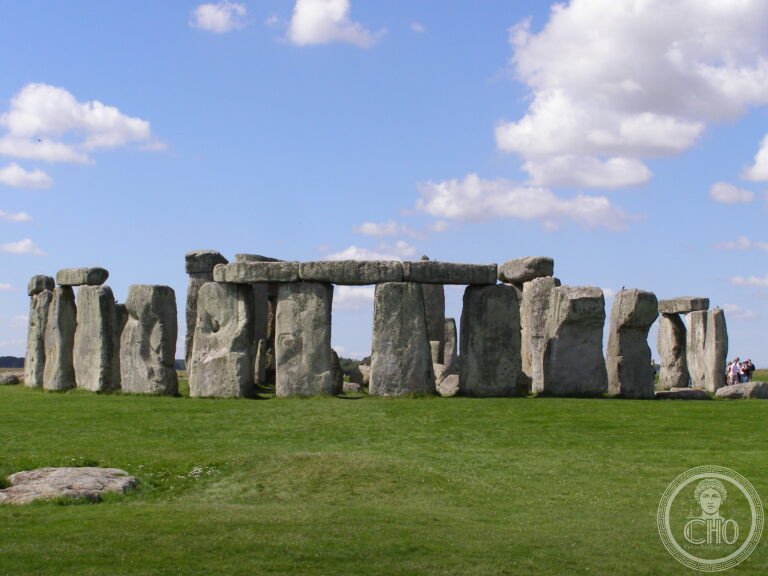
  • Stonehenge and Avebury (UNESCO WHS 1986) — 40 km east (45 min drive); most iconic prehistoric monument in world + largest stone circle in world — see CHO’s Stonehenge and Avebury place card; Bath + Stonehenge is the most precisely Roman-and-prehistoric single day-trip pairing from any British heritage city
  • Glastonbury and Wells — 25–30 km south-west (30 min drive); Arthurian legend + medieval abbey ruins + smallest English cathedral city — described in Practical section; Somerset heritage day: Bath (morning) → Wells Cathedral (lunch) → Glastonbury Tor (afternoon)
  • Bristol — 24 km west (15 min train); Clifton Suspension Bridge (Isambard Kingdom Brunel, 1864 — the most precisely Victorian single engineering bridge in the South West); the SS Great Britain (the most precisely world’s first single iron-screw-propeller ocean steamship; Brunel, 1845; at Great Western Dockyard — the most precisely drydocked single Victorian heritage ship in any British heritage museum); Bristol Old City (John Cabot sailed to North America from Bristol in 1497 — the most precisely John-Cabot single North-America-voyage departure in any British heritage city)

Sources

  • Wikipedia, Bath, Somerset; Roman Baths, Bath; Royal Crescent; Jane Austen, accessed June 2026
  • UNESCO, City of Bath, WHS reference 428, inscribed 1987
  • Barry Cunliffe, The Roman Baths: A View over 2000 Years, Bath Archaeological Trust, 1993

Hero image: Royal Crescent, Bath, Wikimedia Commons. Editorial text © Cultural Heritage Online, 2026.

📷 Diventa un fotografo di Cultural Heritage Online

Condividi le tue foto dei luoghi: restano pubblicate con la tua firma come autore. Più vengono viste, più ti fai conoscere — e presto un concorso premierà le foto più apprezzate.

Accedi o registrati gratis per aggiungere una foto
📋 Copy & share on social
Scroll to Top