
A Dominican music and dance born from the fusion of Spanish, Taíno, and African traditions, bachata emerged from the margins of society in the 20th century to become one of Latin music’s most celebrated global phenomena.
At a glance
Bachata is both a musical genre and accompanying dance form that represents the cultural diversity of the Dominican Republic. Originally dismissed as the music of the poor and working classes, it has evolved from acoustic guitars and maracas into a modern electric sound that now dominates international Latin music charts.
Origins & history
Bachata emerged in the Dominican Republic during the 20th century, drawing from European (primarily Spanish) music, indigenous Taíno traditions, and African musical elements. The term itself replaced the original name amargue—meaning “bitterness” or “bitter music”—as the genre evolved beyond its sorrowful associations.
The first recognized bachata recording, “Borracho de amor,” was composed by José Manuel Calderón in 1962. The genre absorbed troubadour singing traditions common across Latin America and, from the mid-1980s onward, merged elements of merengue into its sound.
The practice
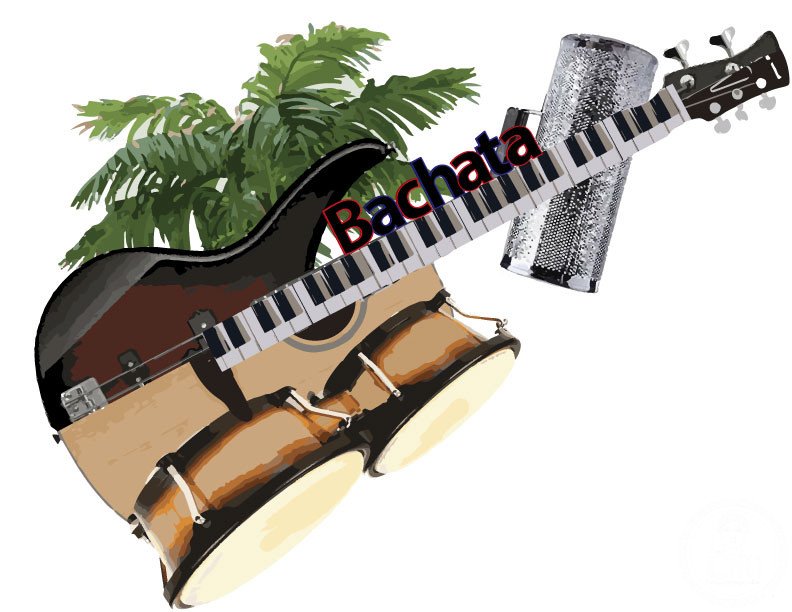
Traditional bachata relied on nylon-string Spanish guitars and maracas, producing an intimate, acoustic sound. In the 1990s, musicians transformed the instrumentation, replacing nylon strings with electric steel strings and the maraca with the guira, a percussion instrument that produces a distinctive metallic scraping texture.
The accompanying dance mirrors the music’s lyrical quality—fluid, close, and often tender, even when the lyrics address heartbreak or betrayal. Bands such as Monchy y Alexandra and Aventura pioneered urban bachata styles in the early 21st century, infusing the genre with contemporary production and global sensibilities while maintaining its emotional core.
Cultural significance
Bachata has been compared structurally to the blues in its origins among society’s margins and its focus on emotional storytelling. Yet the music carries a sweetness absent from blues traditions—even songs lamenting treachery and loss retain an underlying melodic optimism that defines the Dominican spirit.
What began as marginalized folk music has become a vehicle for Dominican cultural expression on the world stage, proving that art born from hardship can achieve universal resonance.
Key facts
- Primary origin: Dominican Republic
- Anchor community: Santo Domingo
- UNESCO ICH inscription: 2019 (Reference 01514)
- Musical roots: Spanish, Taíno, and African traditions
- Key instrumental evolution: nylon Spanish guitar and maracas (traditional) to electric steel string and guira (modern)
- First recorded work: “Borracho de amor” by José Manuel Calderón (1962)
Where to experience it
Santo Domingo, the capital and cultural heartland of bachata, remains the primary center for this living tradition. Bachata is performed in venues, festivals, and social gatherings throughout the Dominican Republic and in Dominican diaspora communities worldwide, with performances available year-round.
Sources & resources
Find it on the map
See this place and what’s around it →📷 Become a Cultural Heritage Online photographer
Share your photos of places: they stay published under your name as the author. The more they're seen, the more you get noticed — and soon a contest will reward the most appreciated photos.
Log in or sign up free to add a photo