
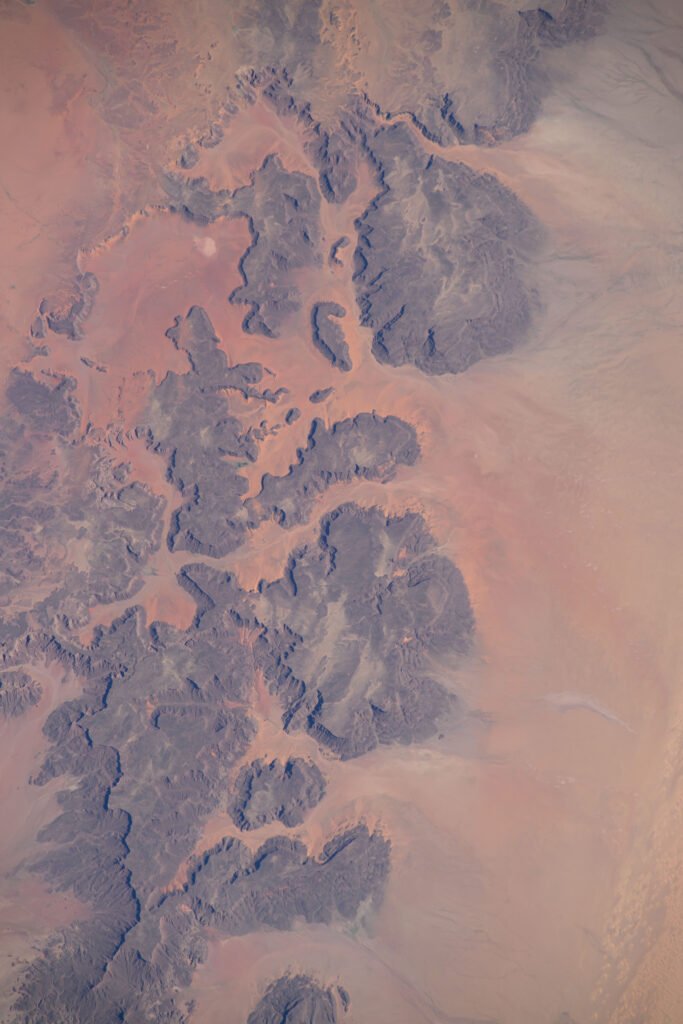
UNESCO World Heritage Sites Near N’Djamena: the Lakes of Ounianga and Ennedi Massif
Chad’s two UNESCO sites — the Lakes of Ounianga and the Ennedi Massif — are both reachable from N’Djamena for travellers willing to venture deep into the Sahara.
Chad’s two UNESCO sites — the Lakes of Ounianga and the Ennedi Massif — are both reachable from N’Djamena for travellers willing to venture deep into the Sahara.
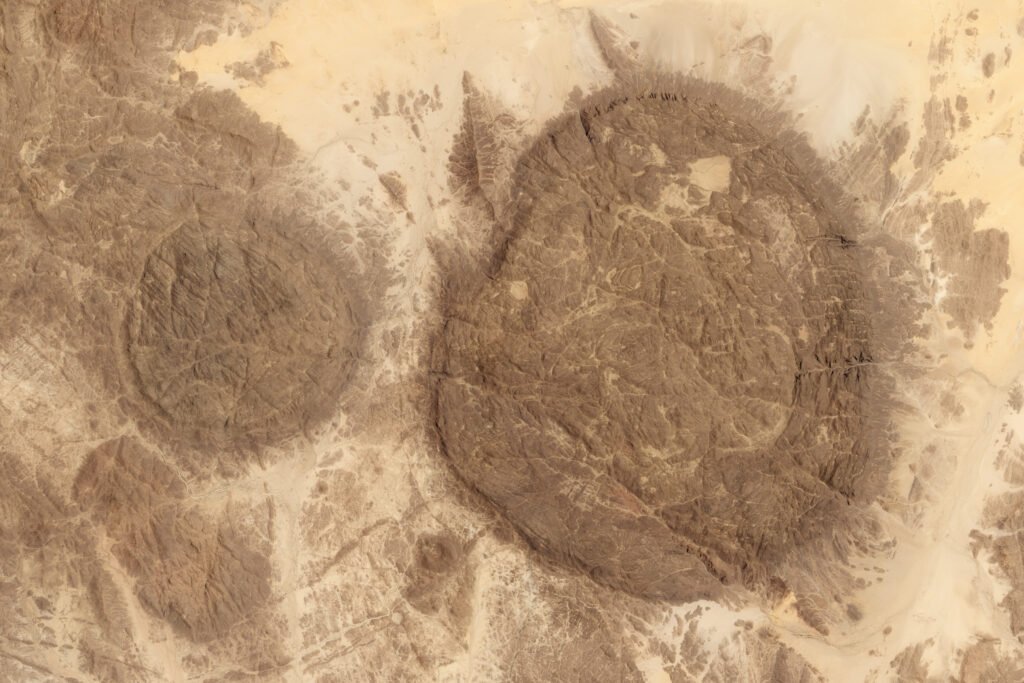
Two UNESCO World Heritage Sites lie within reach of Niamey: the wildlife-rich W-Arly-Pendjari savanna complex and the vast Aïr and Ténéré reserves in the Sahara.
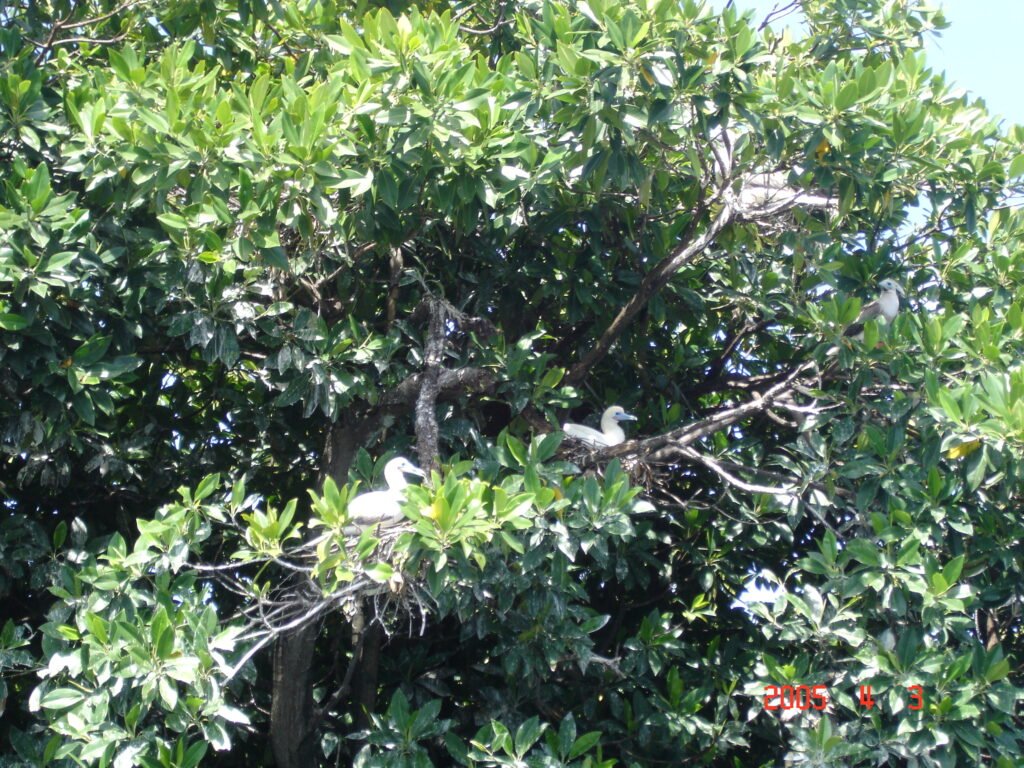
East Rennell — Solomon Islands’ sole UNESCO World Heritage Site — holds the Pacific’s largest inland lake and some of the region’s most intact lowland forest, 230 km south of Honiara.
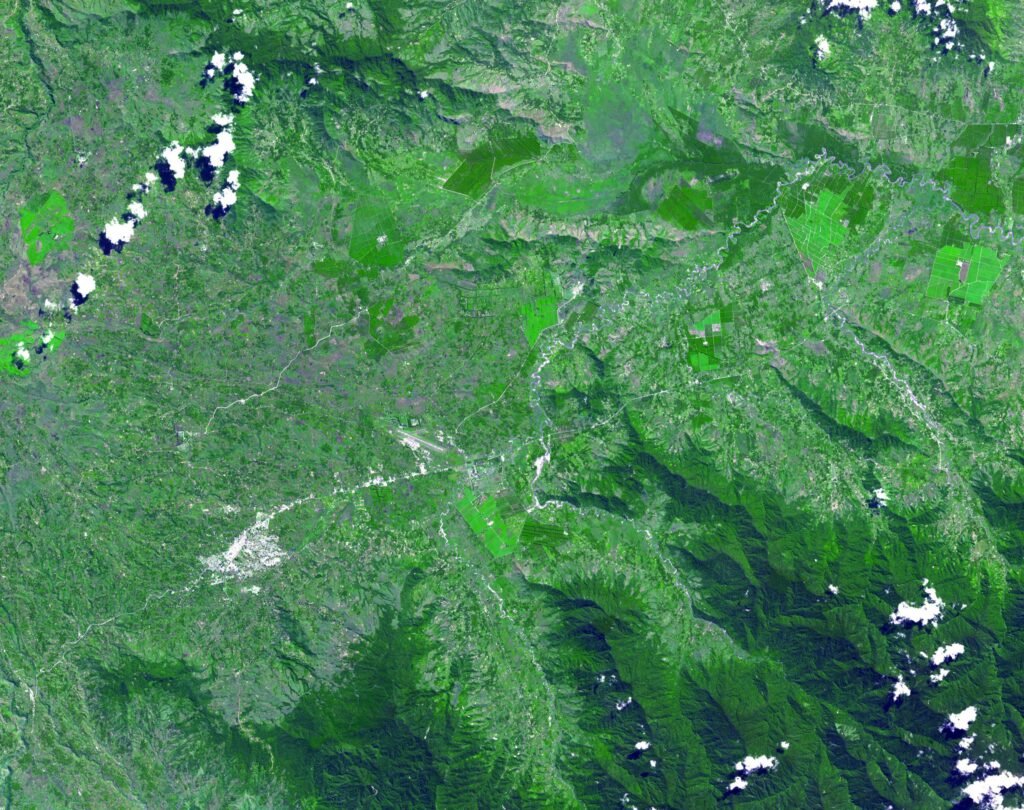
Papua New Guinea’s only UNESCO World Heritage Site is the Kuk Early Agricultural Site — 10,000 years of continuous cultivation in the Western Highlands, reached by a one-hour flight from Port Moresby.
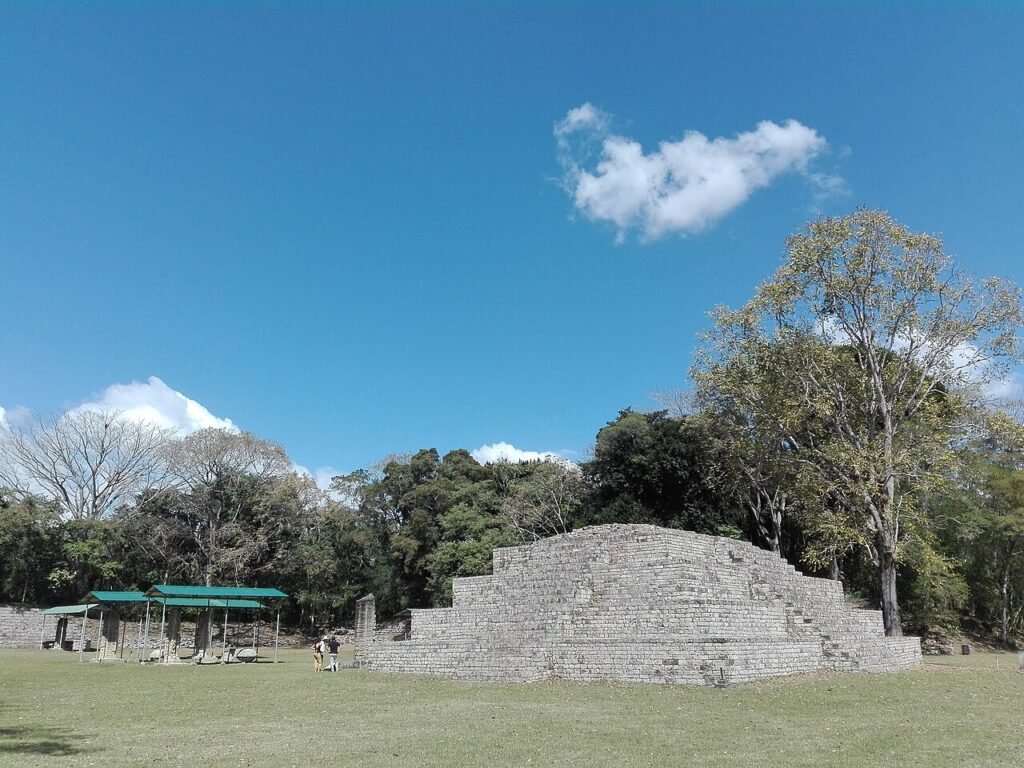
Honduras has one UNESCO World Heritage Site: the Maya ruins of Copán, 350 km west of Tegucigalpa — home to the longest hieroglyphic inscription ever found and some of the finest stone carving in the ancient Americas.
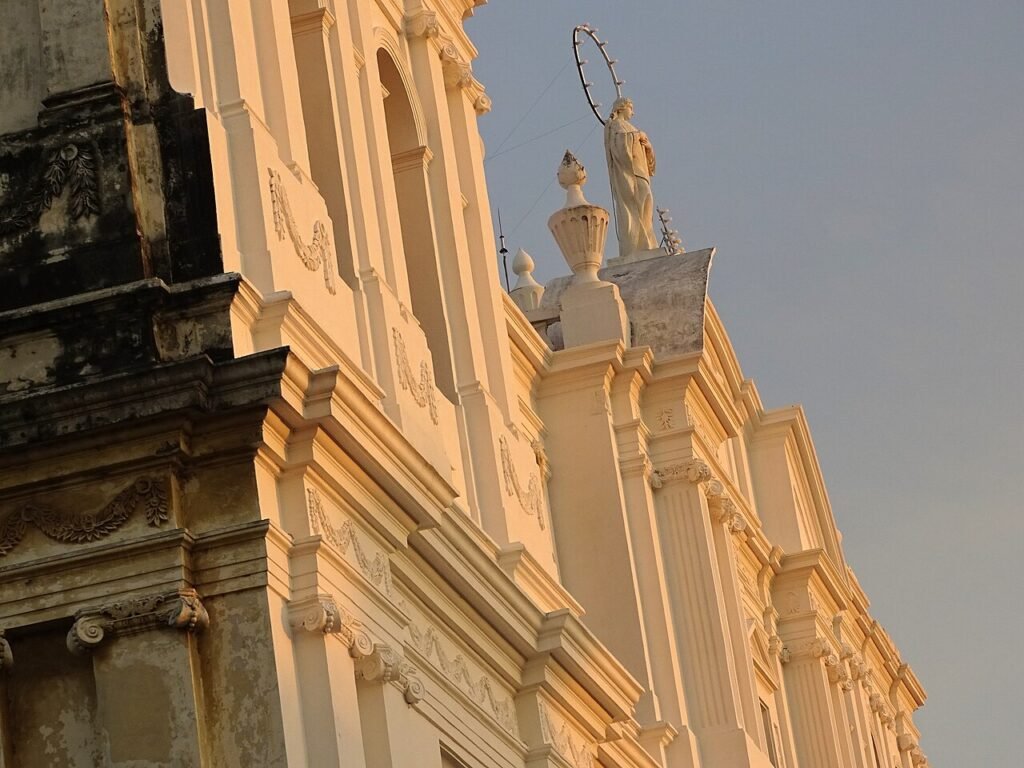
Nicaragua’s two UNESCO World Heritage Sites — the archaeological ruins of León Viejo and the largest cathedral in Central America — both lie within 95 km of Managua.

Fiji’s only UNESCO World Heritage Site, Levuka Historical Port Town on Ovalau, preserves the Pacific’s most intact colonial port streetscape — a 4-hour ferry from Suva.
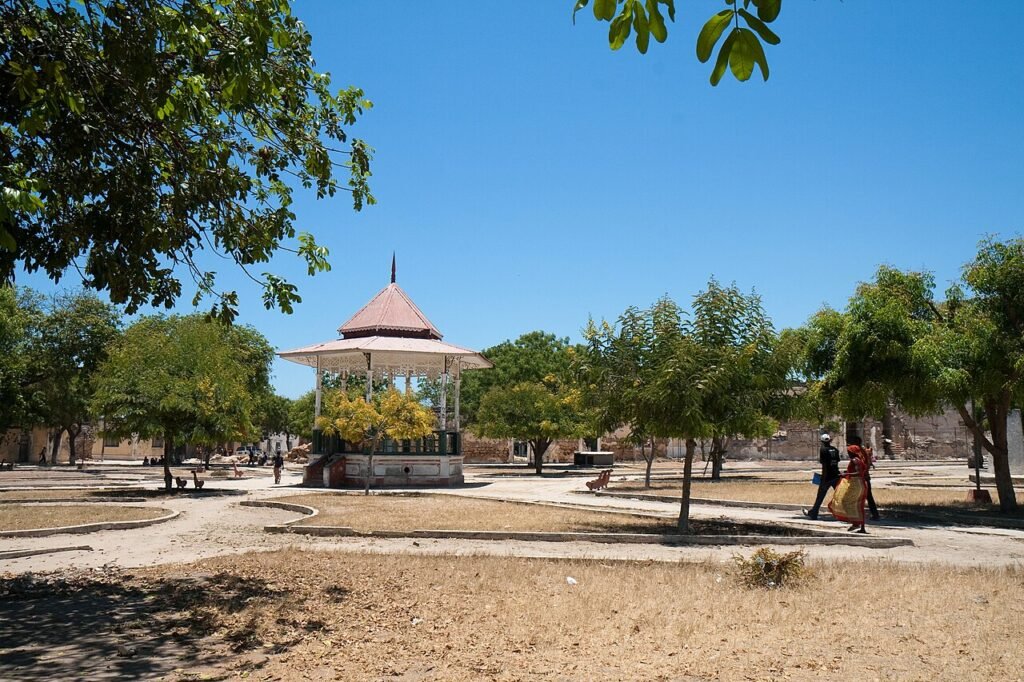
Mozambique’s sole UNESCO World Heritage Site, the Island of Mozambique, sits 1,900 km north of Maputo — a coral island where 500 years of Swahili, Arab, and Portuguese history survive in a single square kilometre.

Two UNESCO World Heritage Sites lie within reach of San José: a remote Pacific island famous for hammerhead shark schools, and an archaeological enigma of near-perfect stone spheres.