
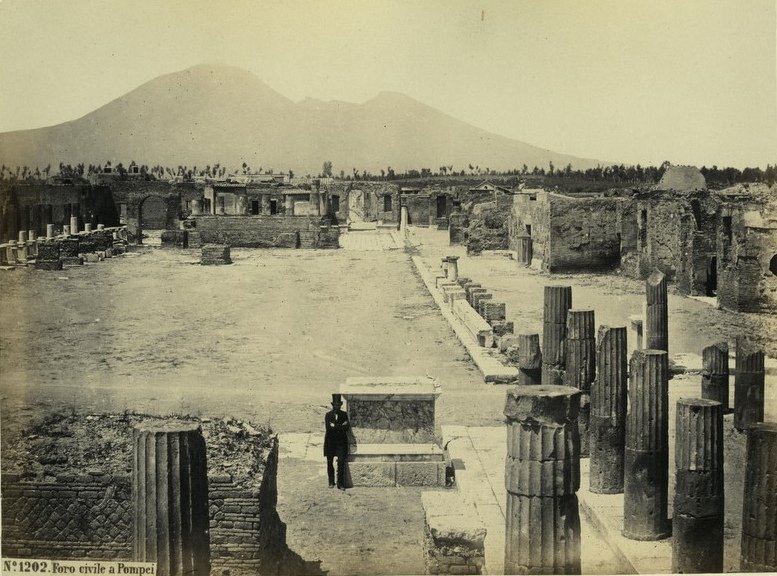
Archaeological heritage comprises the material remains of past human activity—sites, structures, artefacts, and landscapes that reveal how people lived across millennia. Only through excavation and scientific analysis can these silent witnesses speak. Protection frameworks vary globally, yet the principle remains consistent: safeguard these irreplaceable records for future generations and for the cultural identity they embody.
What Defines Archaeological Heritage
Archaeological heritage encompasses far more than isolated artefacts in museum vitrines. It includes the layers of earth and stone that preserve evidence of human settlement, technological development, and social transformation. A single site—from a Palaeolithic cave to a Roman city—tells a narrative embedded in stratigraphy, material culture, and spatial organisation. The term extends to underwater sites, rock art, prehistoric structures, and entire landscapes shaped by human presence over centuries. What unifies these disparate forms is their dependence on excavation and scientific methodology. Unlike standing monuments or living traditions, archaeological heritage exists primarily in the ground, requiring specialist skills to extract, document, and interpret its meaning. These remains form irreplaceable primary sources for understanding human history.
Protection Frameworks Across Nations
Legal protection of archaeological heritage varies significantly by jurisdiction, reflecting different cultural priorities and administrative capacities. UNESCO’s 1972 World Heritage Convention established an international standard, designating outstanding cultural and natural sites for universal protection. However, enforcement relies on national legislation. In Italy, the Cultural Heritage Code assigns responsibility to the state and regional authorities, requiring permits for any excavation and imposing penalties for looting. France operates through the Ministry of Culture, maintaining strict protocols for all archaeological work. The United States employs the Archaeological Resources Protection Act (ARPA), which criminalises unauthorised removal of artefacts from public lands. Developing nations often lack sufficient funding and trained personnel to monitor sites effectively, making them vulnerable to systematic looting and damage. International cooperation through ICOMOS and regional bodies attempts to harmonise standards, yet gaps remain.
Significance for Cultural Identity and Science
Archaeological heritage anchors communities to their past and provides empirical data for understanding human development. For Indigenous peoples, these sites often represent ancestral territories and spiritual landscapes central to cultural continuity. Scientific study yields insights into diet, disease, trade networks, technological innovation, and social hierarchies that written sources cannot always reveal. The excavation of Pompeii transformed knowledge of daily Roman life; the discovery of Lucy (Australopithecus afarensis) fundamentally reshaped theories of human evolution. Archaeological sites also drive sustainable tourism and economic development when properly managed. Local communities benefit through employment and cultural pride, provided they participate in decisions regarding access and interpretation. This dual value—intrinsic cultural significance and empirical scientific potential—makes protection both an ethical and practical imperative. Visit CHO’s interactive heritage map to explore documented sites worldwide.
Threats to Archaeological Heritage
Archaeological sites face pressures from both intentional and unintentional damage. Looting for the illicit antiquities market destroys context and denies nations their cultural patrimony—the theft of context is often as damaging as the loss of the object itself. Development projects, including infrastructure, agriculture, and urban expansion, routinely obliterate sites without adequate prior survey. Climate change introduces new vulnerabilities: rising sea levels threaten coastal archaeology, while shifting precipitation patterns accelerate erosion of earthworks and organic remains. Conflict and war deliberately target cultural heritage as psychological warfare, as witnessed in Afghanistan, Iraq, and Syria. Neglect and underfunding leave many sites unprotected in regions where preservation capacity is limited. Looting is estimated to cost humanity roughly 8.5 billion dollars annually in lost archaeological information and resources.
Case Studies in Archaeological Heritage
Pompeii and Herculaneum remain the paradigm for preservation: volcanic ash in 79 AD sealed these Roman cities in time, creating exceptional conditions for recovering domestic life, graffiti, and commerce. Modern excavation has shifted from treasure-hunting to meticulous stratigraphic recording, yielding unprecedented detail about Roman society. The Great Zimbabwe stone complex demonstrates pre-Columbian African architectural sophistication; it has become central to Zimbabwean national identity and archaeological research. Angkor Wat in Cambodia encompasses temples, reservoirs, and urban planning spanning centuries; despite looting and war damage, systematic documentation and conservation efforts continue. These examples illustrate how heritage sites vary in scale, condition, and cultural meaning, yet share the common need for informed, ethical stewardship and community involvement in their future.
Best Practice in Archaeology and Stewardship
Professional archaeology prioritises non-destructive survey before excavation, using geophysics, satellite imagery, and ground-penetrating radar to map subsurface features. Excavation itself destroys the site; thorough documentation through photography, drawing, and digital recording preserves data for future researchers using technologies not yet invented. Community-based archaeology increasingly engages local populations as knowledge-holders and stakeholders, respecting both scientific and cultural perspectives. Repatriation of human remains and sacred objects to descendant communities has become standard practice in ethical frameworks. Training programmes in heritage-rich nations build local expertise, reducing dependency on foreign teams and fostering sustainable management. Institutions worldwide now recognise that archaeology’s purpose extends beyond academic publication to serve public education and cultural affirmation. Protection succeeds when legislation, funding, training, and community commitment align.
Frequently Asked Questions
What is the difference between archaeological heritage and other cultural heritage?
Archaeological heritage specifically denotes material remains accessed through excavation and scientific analysis. It differs from standing monuments (which are visible above ground), living traditions (intangible heritage), and archival records. While all fall under “cultural heritage,” only archaeological remains require specialised extraction methods and stratigraphic documentation. This distinction guides protection strategies and research approaches.
Why is looting so damaging to archaeological sites?
Looting removes artefacts from their archaeological context. The spatial relationships, surrounding materials, and stratigraphic layers that archaeologists use to interpret meaning are destroyed. A pottery shard is vastly less informative than the same shard found within a dated deposit alongside other domestic refuse. Illicit antiquities also fund organised crime and conflict. Scientific value evaporates when context is lost.
Can archaeological heritage be restored once damaged?
Partial restoration is possible for standing structures and some moveable objects, though degraded context cannot be recovered. Once excavated, sites cannot be returned to their original state. Prevention through protection is far more cost-effective than restoration. This is why conservation professionals emphasise avoiding unnecessary excavation and maintaining sites in situ whenever feasible for future research.
How do archaeologists decide where to excavate?
Decisions combine historical records, local knowledge, surface surveys, and non-invasive technologies such as satellite imagery and ground-penetrating radar. Archaeologists typically begin with documentary research and surface investigation before any ground disturbance. Many sites are excavated due to imminent threat—development projects, erosion, or looting risk. Ethical archaeology prioritises research questions aligned with community interests and preserves the majority of sites unexcavated for future generations.
Sources: UNESCO World Heritage Convention (1972), whc.unesco.org • ICOMOS International Council on Monuments and Sites, icomos.org • Archaeological Institute of America, archaeological.org • CHO Magazine: culturalheritageonline.com/magazine • US Department of the Interior, Archaeological Resources Protection Act guidance, nps.gov