
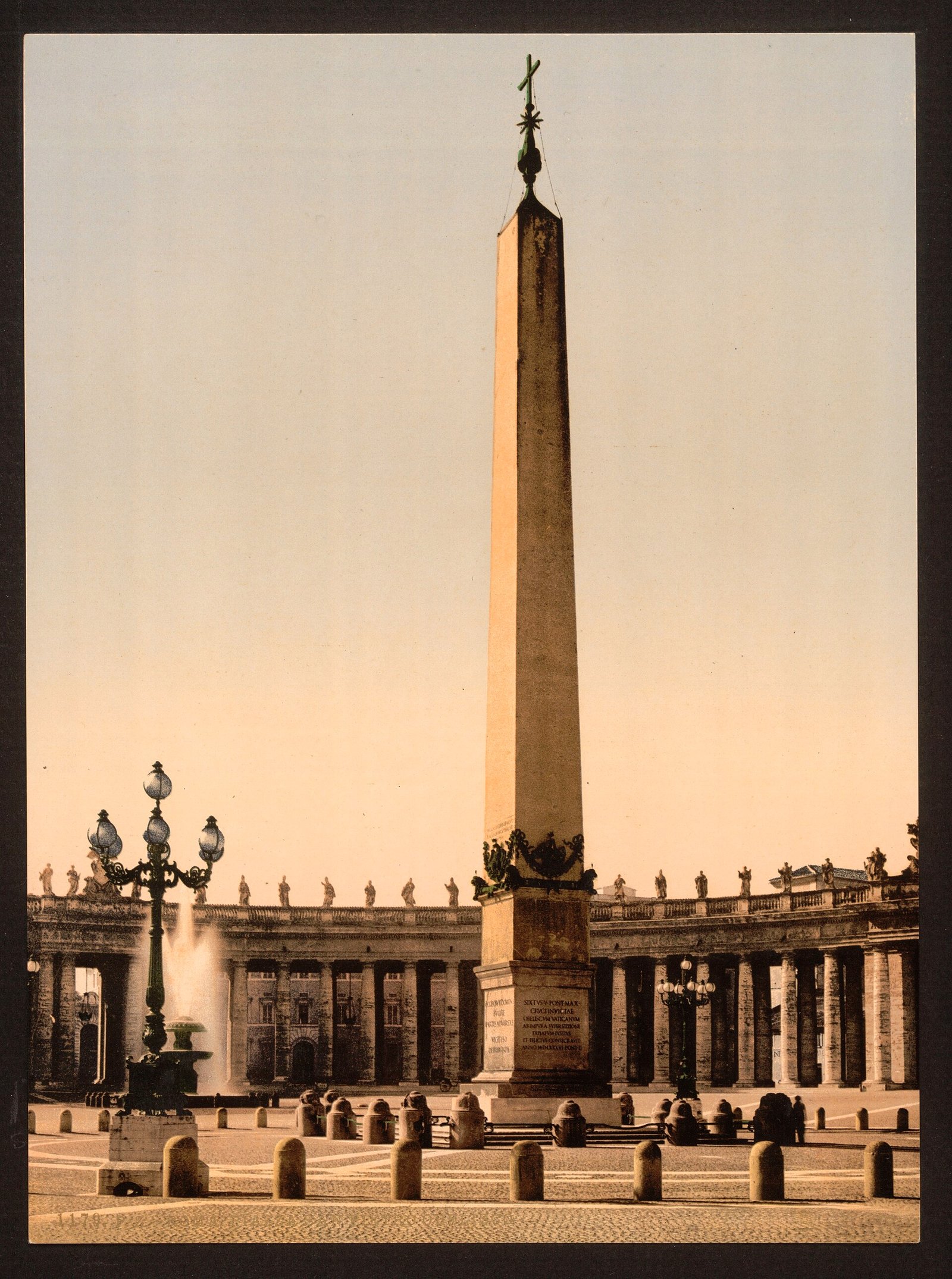
A successful heritage photography trip balances technical site selection—choosing locations with strong architectural light, season, and time of day—against practical access restrictions and crowd patterns. The difference between returning with snapshots and building a portfolio lies in advance research, timing, and understanding how each location performs under different conditions. CHO’s heritage map and editorial cards provide GPS coordinates, opening hours, and seasonal notes to sharpen your planning.
Know Your Locations Before You Leave
Research begins with identifying which heritage sites match your photographic goals and skill level. A Gothic cathedral demands different techniques than a neoclassical villa or Roman ruin. Study reference images from established heritage photographers—not to copy compositions, but to understand where light hits each facade at different times of year. Check the CHO magazine for published guides to specific regions and sites, which often include architectural context and known photography viewpoints. UNESCO World Heritage official site listings include visitor information, seasonal closures, and background on what makes each location significant. Photography forums and heritage tourism boards publish site-specific timing guides: when crowds thin, when scaffolding goes up, when seasonal light angles align with your frame. Pin down coordinates, exact opening hours, and any permit requirements before booking travel.
Master Light and Season
Heritage photography lives or dies by light quality. Winter sun in northern Europe traces longer shadows across stone facades; summer heat creates harsh midday contrast. Spring and autumn often deliver the most even golden hour—earlier in the day than summer, later than winter. Document the site’s latitude and approximate sun angle at your target date using free solar calculation tools. North-facing elevations photograph well in soft overcast light; south-facing walls benefit from low-angle morning or late-afternoon sun. Stone weathers differently across centuries, so a facade bathed in warm afternoon light may reveal centuries of patina that harsh midday sun flattens. Visit the location virtually via satellite and street-level imagery to predict where your camera will be positioned and whether morning light will hit your priority facade or backlight it instead. The same location often yields dramatically different portfolios depending on season: summer tourism crowds and harsh light versus quiet autumn mornings with raking sunlight.
Plan Your Access and Permits
Many heritage sites restrict photography during restoration, require advance permits for commercial work, or impose time limits on free entry. Contact each site directly—not through a tour operator website, but through the official conservation authority or site management. Ask about drone restrictions, tripod policies, and whether night or early-morning photography requires special permission. Some locations charge photography fees separate from entrance tickets; others restrict image use for publication or commercial purposes without written license. Document everything in a spreadsheet: opening hours, permit deadlines, contact emails, restrictions, and whether professional indemnity insurance is required. A single forgotten permit or misunderstood use restriction can compromise an entire trip’s output.
Crowd Patterns and Seasonal Rhythms
Tourist flow follows predictable rhythms tied to school holidays, religious festivals, and peak travel seasons. European heritage sites see surges during Easter week, July–August, and December; Asian sites fill during Lunar New Year and summer breaks. Counter-seasonal travel—visiting in November, February, or September—often yields clearer skies, shorter queues, and better light at popular hours. Local feast days and religious observances sometimes close sites entirely or limit photography during ceremonies. Weather patterns also compress by season: Mediterranean summer guarantees clear skies but harsh contrast; Scandinavian winter offers pale, diffuse light but limited daylight hours and higher cloud cover. Build a calendar marking school holidays, religious observances, known festival dates, and extreme weather risk for your chosen region and season. Then schedule around the troughs, not the peaks.
Equipment and Contingency
Heritage sites vary wildly in what they permit: some allow DSLR; others ban tripods; a few restrict photography entirely in certain chambers. Pack versatile equipment that works without a tripod—fast prime lenses, capable ISO performance, and compact stabilization. Bring backup batteries and memory storage; some heritage sites are far from power or connectivity. Scout interior lighting on arrival: many churches and castles have mixed tungsten and daylight, requiring white-balance compensation or gels. If permits allow, arrive early in the day or request off-hours access when staff can advise on the best technical setup. Have a weather-adapted backup plan: if you arrive expecting low-angle morning sun and find heavy cloud, know which alternate times or dates you can reshoot, or which interior spaces offer consistent, controllable light regardless of weather.
Documentation and Attribution
As you photograph, maintain detailed metadata: exact location (GPS if site permits), date, time, lens, aperture, ISO. This supports future identification, reinforces the credibility of your portfolio, and enables contribution to open heritage initiatives like Wikimedia Commons. Photograph interpretive plaques, signage, and architectural labels—these become reference material for captions and fact-checking later. If your images will be published, verify licensing: many heritage sites are open-source, but statues, modern restorations, or site-specific artworks may carry separate copyright. Clear attribution is both ethical and practical; it signals to viewers that you’ve done your homework.
Frequently Asked Questions
What is the best time of year to photograph heritage sites?
Autumn and spring typically offer the ideal combination of longer golden hours, fewer crowds, and stable weather patterns across Europe and Asia. Summer maximizes daylight but brings peak tourism and harsh midday contrast; winter offers raking light but limited hours and cloud cover. Choose your season based on your target site’s latitude, local climate, and the specific facades or light angles you need.
Do I need a permit to photograph heritage sites professionally?
Requirements vary by location and jurisdiction. Commercial photography, drone use, and tripod deployment often require advance permission from the site management or conservation authority. Always contact the site directly before arrival. Some locations charge separate photography fees or restrict image publication without written license. A single forgotten permit can compromise legal use of an entire trip’s work.
How early should I arrive for optimal light?
The golden hour begins 60–90 minutes before sunset and 30–60 minutes after sunrise, depending on latitude and season. Calculate exact times using solar tools for your target date and location. Many photographers arrive 2–3 hours early to scout compositions and wait for light, especially if the site has high tourist flow during peak hours.
What if weather ruins my planned shoot?
Build flexibility into your itinerary: identify backup interior spaces with consistent light, research alternate dates you can return, or scout secondary facades that perform well in overcast conditions. Preparation—knowing the site beforehand via satellite imagery and reference photos—lets you adapt quickly when weather doesn’t cooperate.
Sources: UNESCO World Heritage Centre, whc.unesco.org; UNWTO Sustainable Tourism Programme, unwto.org; ICOMOS International Council on Monuments and Sites, icomos.org; CHO Heritage Map and Editorial Database, culturalheritageonline.com/map; Wikimedia Commons Heritage Collection, commons.wikimedia.org.