
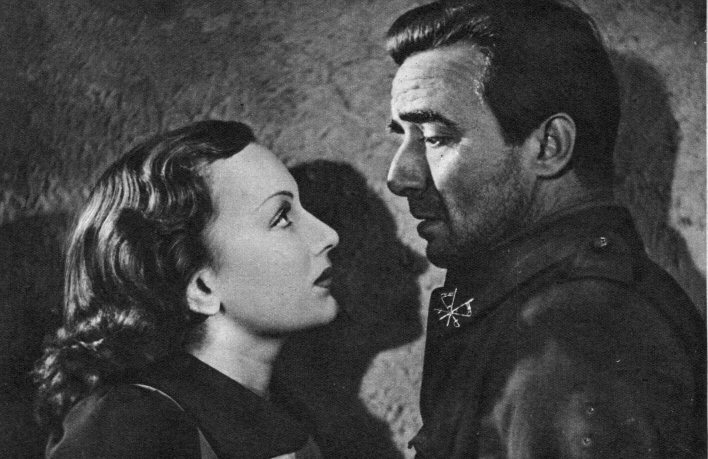
The Venice Mostra opened on 1 September 1940 in two cinemas in the city, the Rossini and the San Marco. It was not supposed to open there. For eight years the festival had a purpose-built home at the Lido, the Palazzo del Cinema, finished in 1937; in 1940 the building stood empty and the films played across the water instead.
Eighty-two Italian titles are listed for the year. La Biennale’s own history records what happened to the festival that showed some of them: the 1940 edition, and the two that followed in 1941 and 1942, are counted as not having taken place at all.
A prize that was never given
One film won anyway. Augusto Genina’s L’assedio dell’Alcazar took the Coppa Mussolini for best Italian film — the same prize, decided the same way, that had gone the year before to Genina’s colleague Goffredo Alessandrini for Abuna Messias. Because the 1940 Mostra was later struck from the festival’s official record, the Coppa Mussolini it awarded was struck with it: a prize that exists on a certificate and nowhere else.
The film was shot at Cinecittà for its interiors and on location in Toledo, Spain, for its exteriors, and it told a story barely four years old — the real siege of the Alcázar fortress during the Spanish Civil War. Its lead was Fosco Giachetti, already familiar from this archive’s account of 1942, playing the Spanish officer who commands the siege. Opposite him were Mireille Balin and Maria Denis, as the two women waiting it out.
A second premiere, and the actor it made
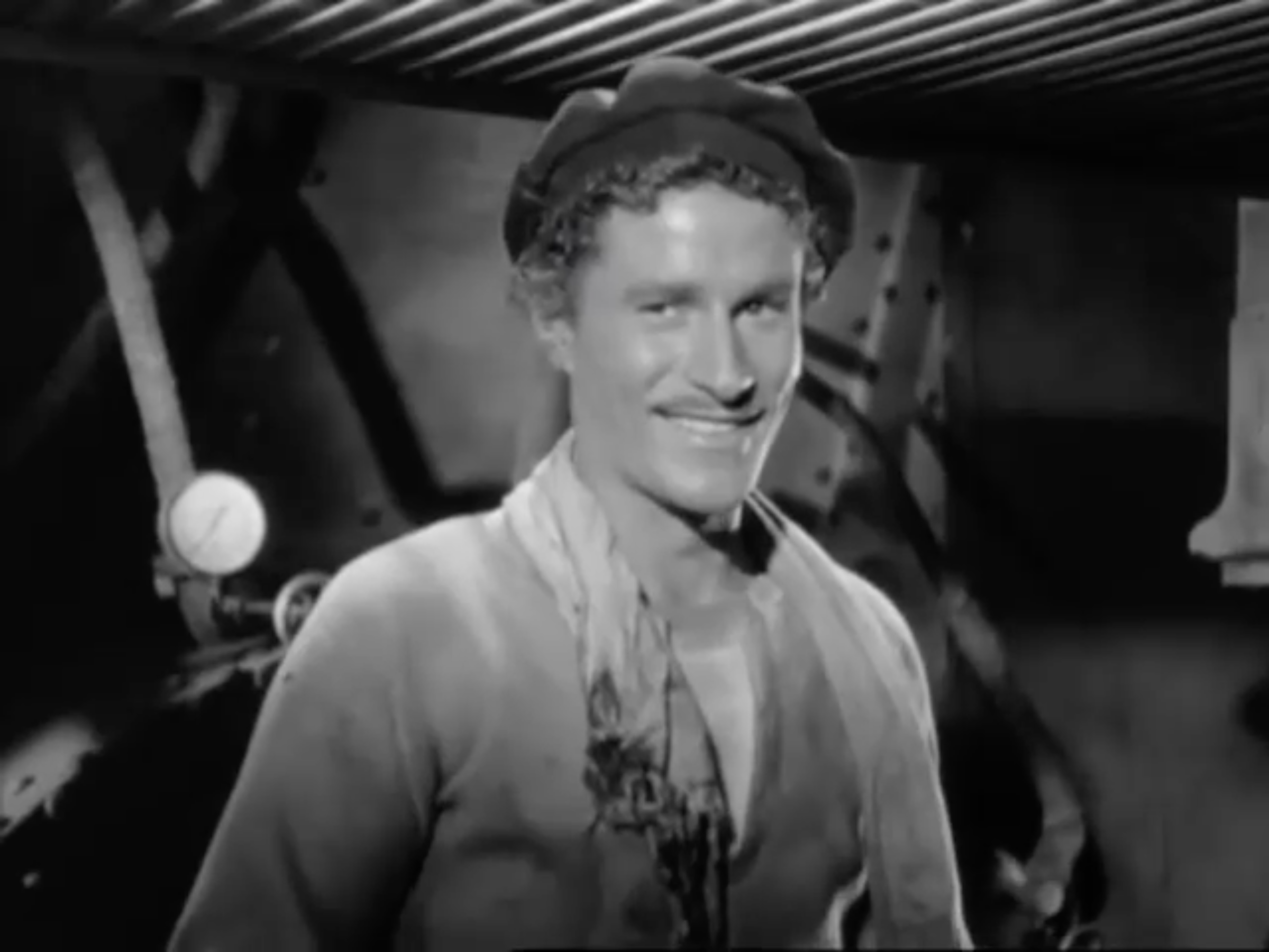
A second Italian film had its first night at the same festival, one day later: Carmine Gallone’s Oltre l’amore, an adaptation of Stendhal’s Vanina Vanini transplanted to the Papal States. Gallone is the director this archive introduced through 1942’s Noi vivi; his 1940 leading lady was Alida Valli, nineteen that year and already the subject of this series’ account of 1939.
Opposite her, in the role of the carbonaro Pietro Mirilli, was an actor who up to 1940 had mostly played adventure leads: Amedeo Nazzari. Treccani credits the part with moving him toward the dramatic register that would define his career through the 1940s and beyond. He appears twice more in Stefano Vigolo’s list for the year, in È sbarcato un marinaio and Dopo divorzieremo — three films in one year for an actor who, twelve months earlier, had not been anyone in particular.
The prince of laughter, and the era’s villain
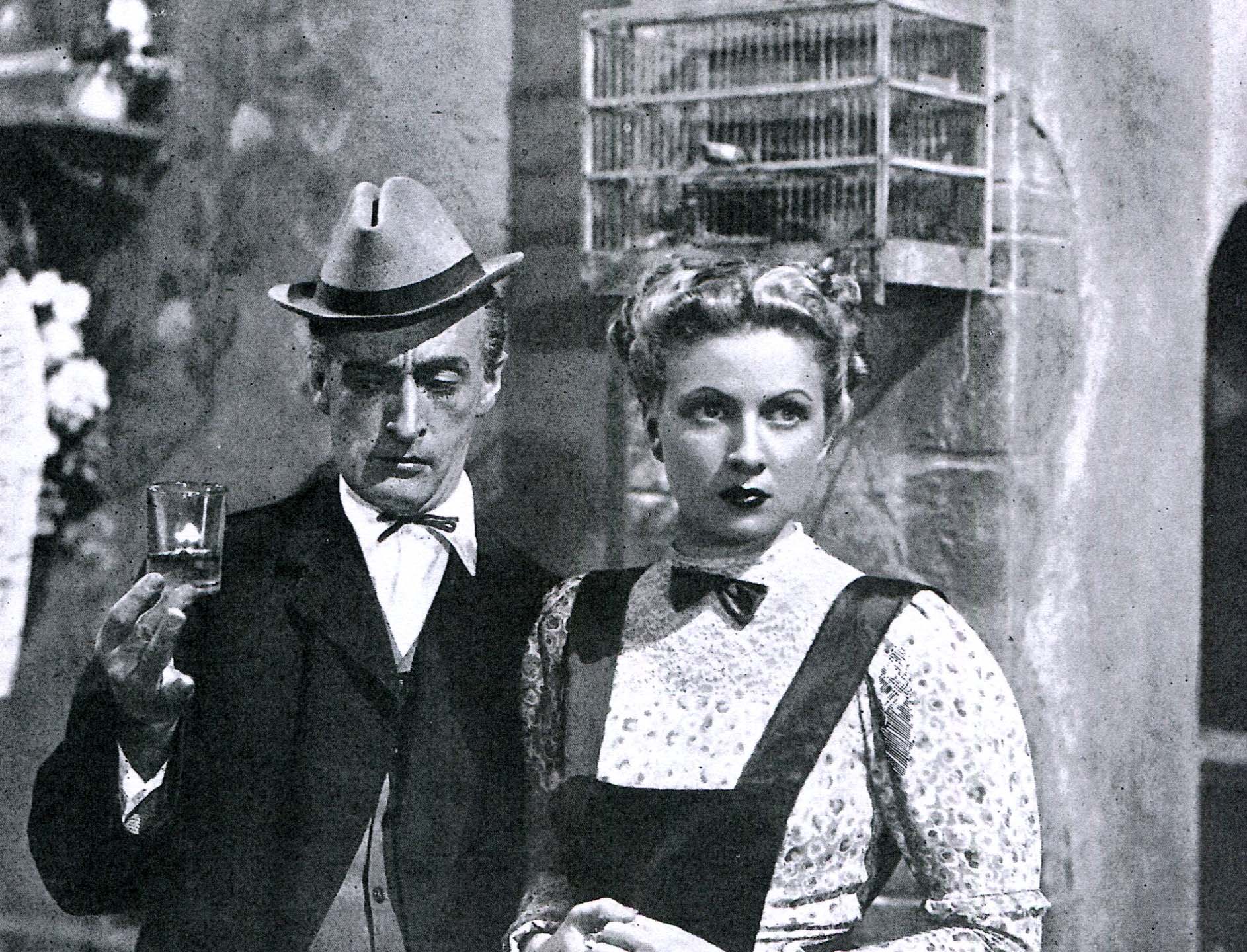
Not every 1940 title looked toward the war. San Giovanni decollato was directed by Amleto Palermi, whom this archive has already placed in 1939 for Cavalleria rusticana; it gave one of its early screen roles to the Neapolitan comedian Antonio De Curtis, who performed as Totò on stage and would go on to become, by most counts, the most prolific comic actor Italian cinema produced.
A darker figure runs through the same list. Osvaldo Valenti, cast as the rival Livio Savelli in Oltre l’amore, had built his career on screen villains through the second half of the 1930s. He kept playing them until 30 April 1945, when he and the actress Luisa Ferida were shot in a Milan street by partisans who held the pair responsible for collaborating with a Fascist torturer during the Republic of Salò. The parts he played at Cinecittà and the year that killed him were five years apart and, in the end, not so different in kind.
Where they were made
Every film named above was shot wholly or partly at Cinecittà, which in 1940 had been open for three years. The Centro Sperimentale di Cinematografia, the state film school on the same road, had just finished its own campus. Nothing about the machine had changed since 1939; what had changed was the festival meant to show what the machine made, and where it now had to meet.
The films, and the day each one comes round again
Every film named above now has its own page, each on the day it reached Italian cinemas — or, where that could not be pinned to a day, its premiere. One date is not certain: for San Giovanni decollato, only the month is documented, and its page says so and carries the warning rather than a guessed day.
- L’assedio dell’Alcazar, Augusto Genina — released 20 August 1940
- Oltre l’amore, Carmine Gallone — premiered at the Mostra 2 September 1940, general release March 1941
- È sbarcato un marinaio, Piero Ballerini — released 15 February 1940
- Dopo divorzieremo, Nunzio Malasomma — released 21 September 1940
- San Giovanni decollato, Amleto Palermi — released December 1940, exact day not documented
The people of 1940, and the days we mark them
Four of the eight pages below are new; the other four — Giachetti, Valli, Palermi and Gallone — already had theirs from the years this series has covered before. The dates come from Treccani’s Enciclopedia del Cinema and Dizionario Biografico degli Italiani, checked against a second independent record; where a record disagrees or a date could not be confirmed on Treccani, the page says so.
- Amedeo Nazzari, actor, Pietro Mirilli in Oltre l’amore — born 10 December 1907, Cagliari · died 7 November 1979, Rome
- Antonio De Curtis, actor, stage name Totò — born 15 February 1898, Naples · died 15 April 1967, Rome
- Osvaldo Valenti, actor, Livio Savelli in Oltre l’amore — born 17 February 1906, Istanbul · died 30 April 1945, Milan
- Maria Denis, actress, Conchita Alvarez in L’assedio dell’Alcazar — born 22 November 1916, Buenos Aires · died 15 April 2004, Rome (day of death not confirmed by Treccani — see her page)
- Fosco Giachetti, actor, lead of L’assedio dell’Alcazar — born 28 March 1900 · died 22 December 1974
- Alida Valli, actress, Vanina in Oltre l’amore — born 31 May 1921, Pola, today Pula · died 22 April 2006, Rome
- Amleto Palermi, director of San Giovanni decollato — born 11 July 1889, Rome · died 20 April 1941, Rome
- Carmine Gallone, director of Oltre l’amore — born 10 September 1885 · died 11 March 1973
Details
- Italian titles listed for 1940: 82 (the list compiled by Stefano Vigolo)
- Venice Mostra, 1940: held in the Rossini and San Marco cinemas in Venice, not at the Lido’s Palazzo del Cinema; the 1940, 1941 and 1942 editions are counted by La Biennale as not having taken place
- Coppa Mussolini for best Italian film: awarded to L’assedio dell’Alcazar, directed by Augusto Genina
- L’assedio dell’Alcazar: interiors at Cinecittà, exteriors in Toledo, Spain; cast included Fosco Giachetti, Mireille Balin and Maria Denis
- Oltre l’amore: Carmine Gallone’s adaptation of Stendhal’s Vanina Vanini, premiered 2 September 1940 at the festival, with Alida Valli, Amedeo Nazzari and Osvaldo Valenti
- Cinecittà: three years open in 1940; the Centro Sperimentale di Cinematografia campus completed the same year
Where you can still stand
- Cinecittà, Rome — where the interiors of both films were shot, with a 360° tour
- Palazzo del Cinema, Lido di Venezia — the hall the 1940 festival did not use
- Italian cinema in 1939 — the year before, and the festival’s last edition on the Lido until after the war
- Italian cinema in 1942 — the peak, ninety-six films
- Italian cinema in 1943 — the year it broke
Do you know more?
On this page we have published what can be seen and what we were able to verify. About most of the eighty-two Italian films of 1940 almost nothing is written anywhere, and the people who made them are harder to trace every year. If you know something — a photograph, a programme, a poster, a memory told in your family, or a date we have got wrong — write to Sofia, who looks after these pages.
Write to Sofia
or send a message on WhatsApp
Please start your message with the title of this page, so it reaches the right file. Every contribution is checked against independent sources before it goes on the page, and we always say where a piece of information came from.
Frequently asked questions
Why did the 1940 Venice Mostra not take place at the Lido?
The festival’s purpose-built home, the Palazzo del Cinema, stood empty that year: the war had emptied the international programme, and the 1940 edition was held instead in two cinemas in Venice itself, the Rossini and the San Marco. La Biennale’s own history counts that edition, and the two that followed, as not having taken place.
Which film won the Coppa Mussolini in 1940?
L’assedio dell’Alcazar, directed by Augusto Genina, shot partly at Cinecittà and partly on location in Toledo, Spain. Because the festival that awarded it was later struck from the record, the prize exists only on the certificate itself.
What changed for Amedeo Nazzari in 1940?
He played the carbonaro Pietro Mirilli in Carmine Gallone’s Oltre l’amore, opposite Alida Valli. Treccani credits the role with moving him from adventure films toward the dramatic parts that defined the rest of his career.
What happened to Osvaldo Valenti?
The actor who played the era’s screen villains was shot in Milan on 30 April 1945, together with the actress Luisa Ferida, by partisans who held them responsible for collaborating with a Fascist torturer during the Republic of Salò.
Sources
- La Biennale di Venezia, festival history — the 1940 edition held away from the Lido, in the Rossini and San Marco cinemas, and the 1940-1942 editions counted as not having taken place.
- Treccani, Enciclopedia del Cinema, entry Mostra del cinema di Venezia — the Coppa Mussolini awarded to L’assedio dell’Alcazar.
- Treccani, Enciclopedia del Cinema, entries on Augusto Genina, Carmine Gallone, Amedeo Nazzari, Osvaldo Valenti and Maria Denis — cast, roles and production details of L’assedio dell’Alcazar and Oltre l’amore.
- Treccani, Dizionario Biografico degli Italiani, entry on Antonio De Curtis (Totò).
- The Library of Congress Name Authority File — the birth and death years behind the anniversary pages linked above.
- The list of 1940 titles on which this article is based was compiled by Stefano Vigolo and sent to the editorial desk on 12 September 2026.