interwar

Italian East Africa: Colonial Architecture and Planning

Italian East Africa: Colonial Architecture and Planning

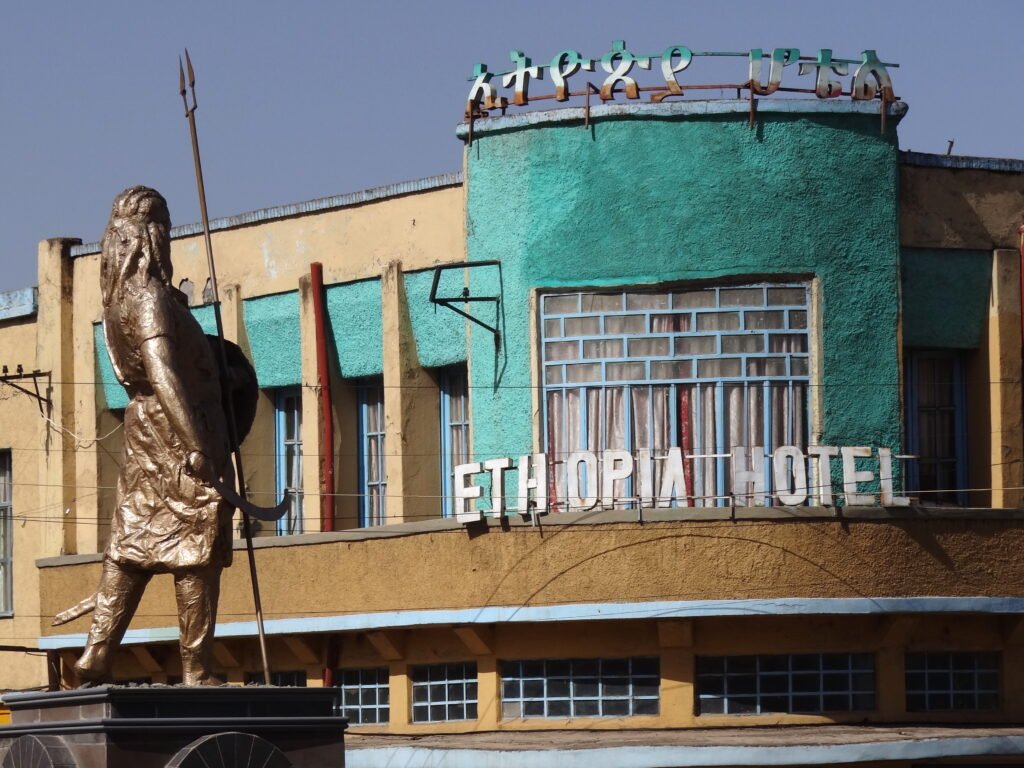
Five years of empire (1936-1941): master plans for Addis Ababa, Gondar and Jimma by Gherardo Bosio, 4,400 km of imperial roads, the origin of the Merkato — and the documented atrocities, from Yekatit 12 to Debre Libanos, without which none of it can be read. Fourth in the overseas territories series.
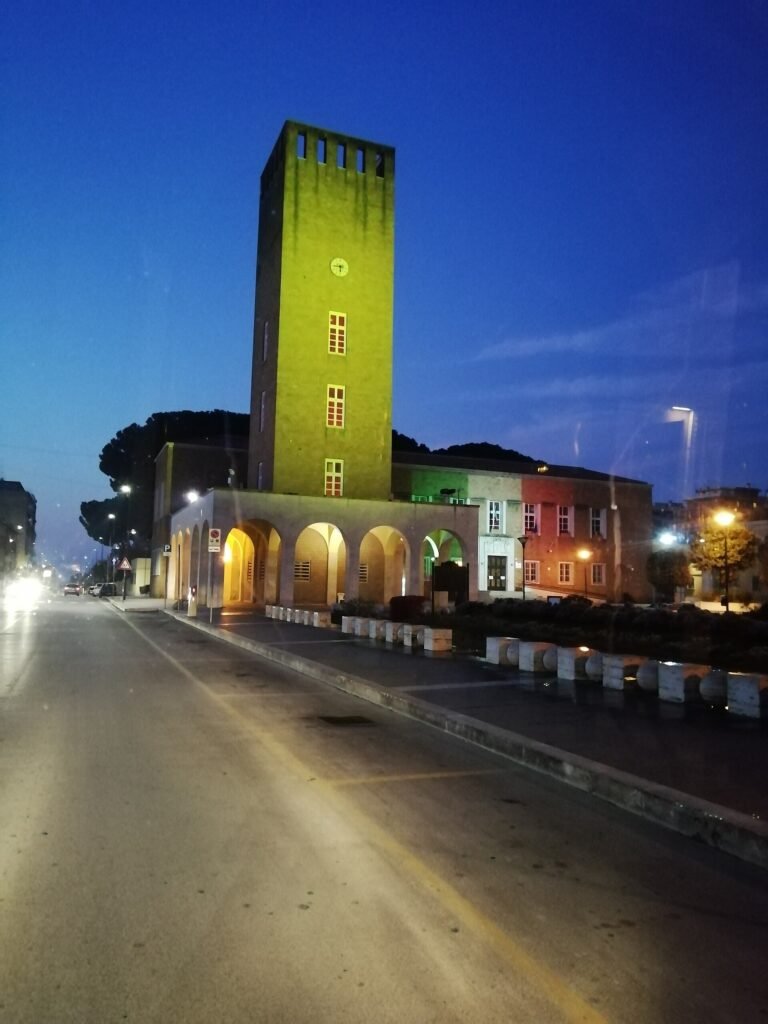
Italian Dodecanese: Architecture of Rhodes and Leros

Italian Dodecanese: Architecture of Rhodes and Leros

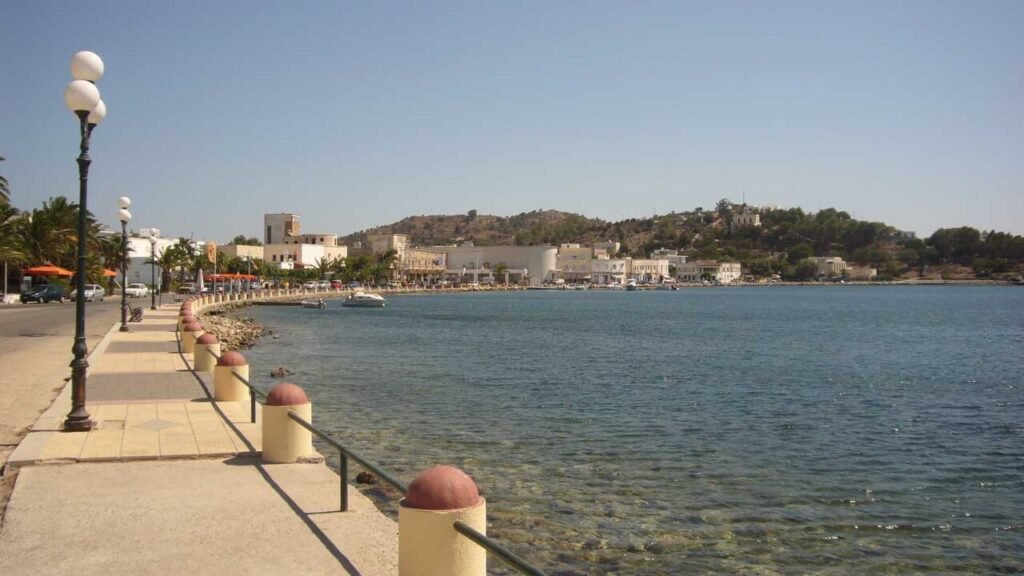
From Di Fausto’s Mediterranean eclecticism on Rhodes — the Grande Albergo delle Rose, the Foro Italico, Lombardi’s Kallithea spa — to the complete rationalist town of Portolago (Lakki) on Leros and the post-earthquake rebuilding of Kos: the built record of Italy’s Aegean possession, 1912-1947. Third in the overseas territories series.
The Fiat Tagliero Building in Asmara, a Futurist petrol station shaped like an aeroplane with cantilevered concrete wings

Asmara Modernist Architecture: Italian Eritrea Heritage

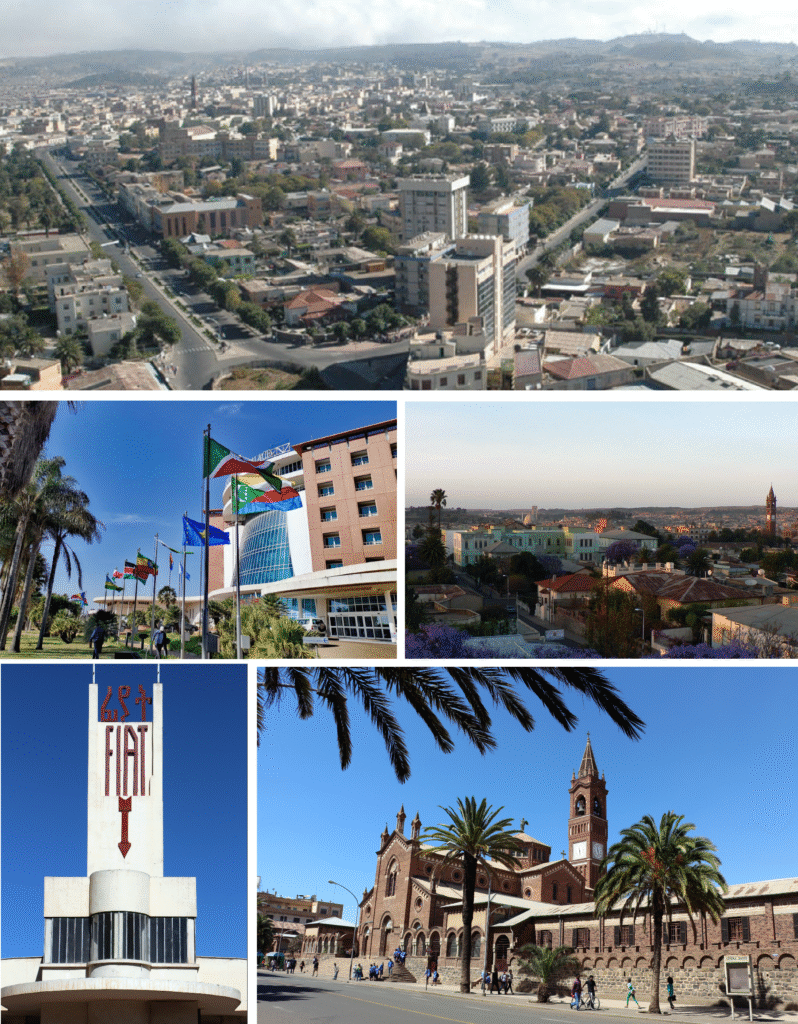
Italy’s first colony holds its most recognised built record: Asmara, UNESCO-listed in 2017 as “A Modernist African City”, with the Fiat Tagliero and Cinema Impero — and the engineering that tied a 2,400-metre capital to the sea: the 1911 mountain railway and the 75-km Massawa cableway, the world’s longest. Second in the overseas territories series.

Italian Libya: Architecture and Colonial Urbanism

Italian Libya: Architecture and Colonial Urbanism

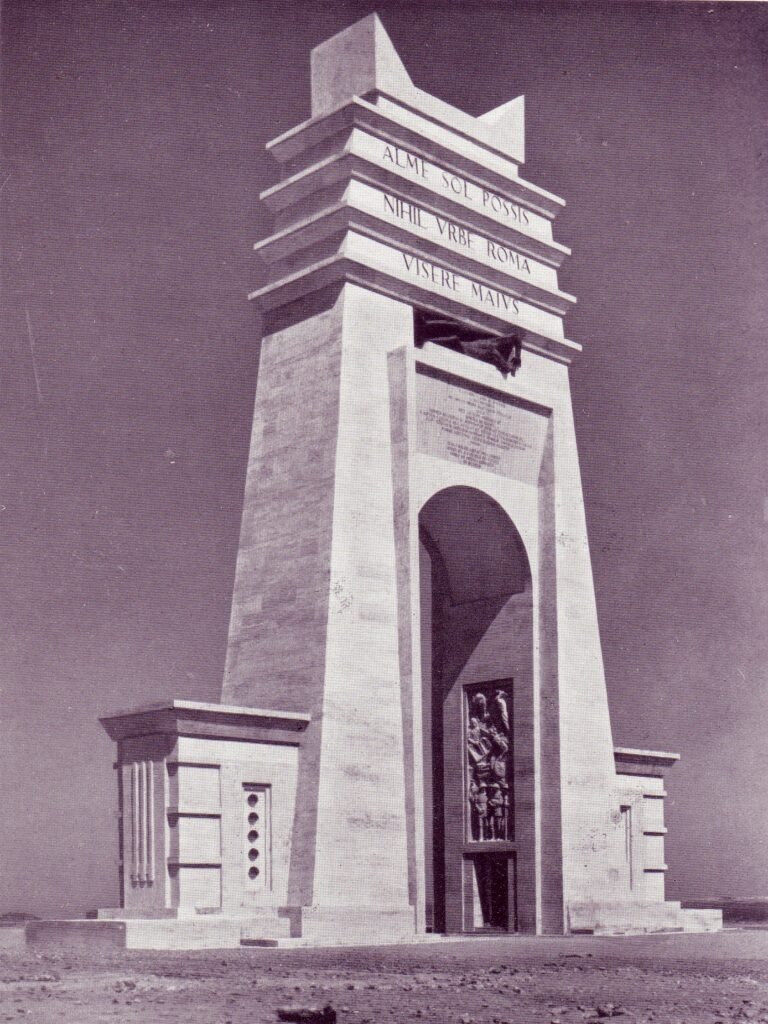
Tripoli’s colonial architecture and Florestano Di Fausto, the 1927 International Fair, the Mellaha Grand Prix, the 1,822-km Litoranea with its 65 roadhouses, the demolished Arch of the Philaeni and the 1938 settlement villages — the documented record of Italian Libya, including how colonial rule was imposed. First in a series on Italy’s overseas territories.

Scroll to Top