
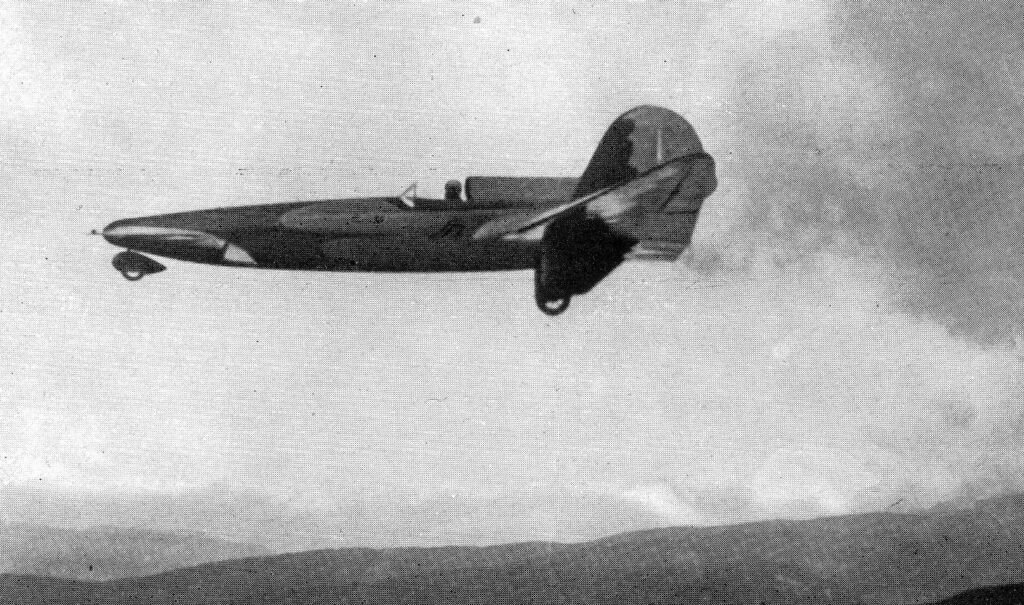
The Motoveleggiatore SS.2 (1936): Sergio Stefanutti’s First Canard, on Film
On 15 April 1936 the Luce newsreels showed an aircraft flying the wrong way round: Sergio Stefanutti’s SS.2, the first Italian canard.
On 15 April 1936 the Luce newsreels showed an aircraft flying the wrong way round: Sergio Stefanutti’s SS.2, the first Italian canard.
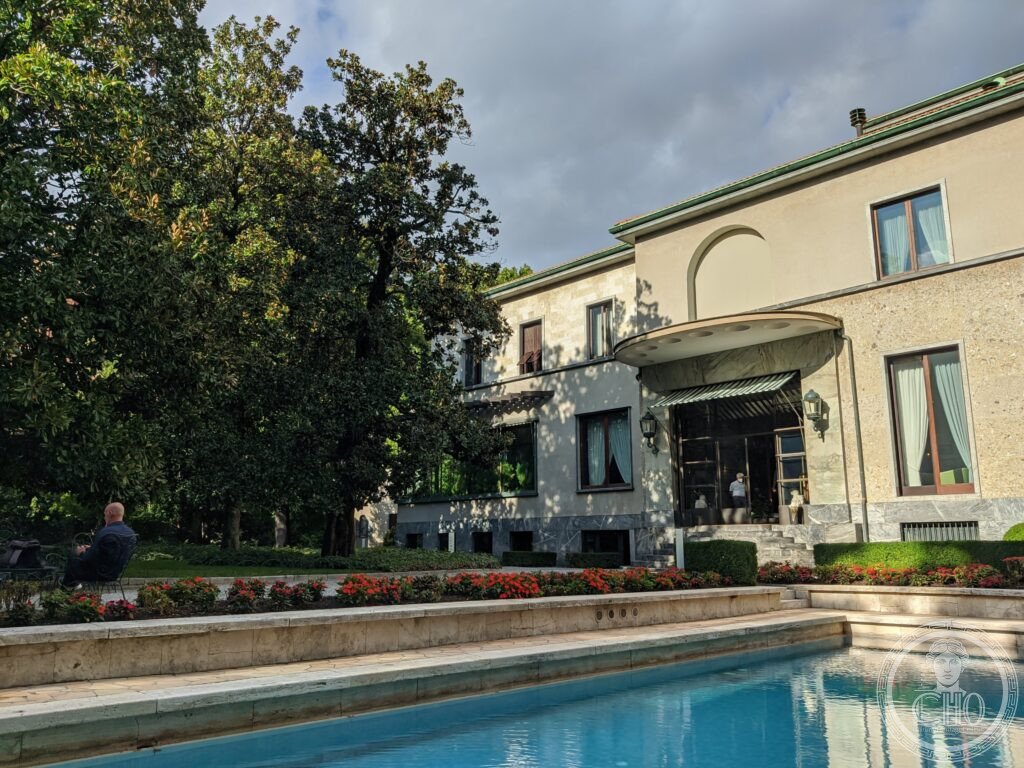
If Milanese elegance between the wars has one author, it is Piero Portaluppi. He built power stations in the Alps,

No architect left a deeper mark on the public face of interwar Italy than Marcello Piacentini. A university city, a
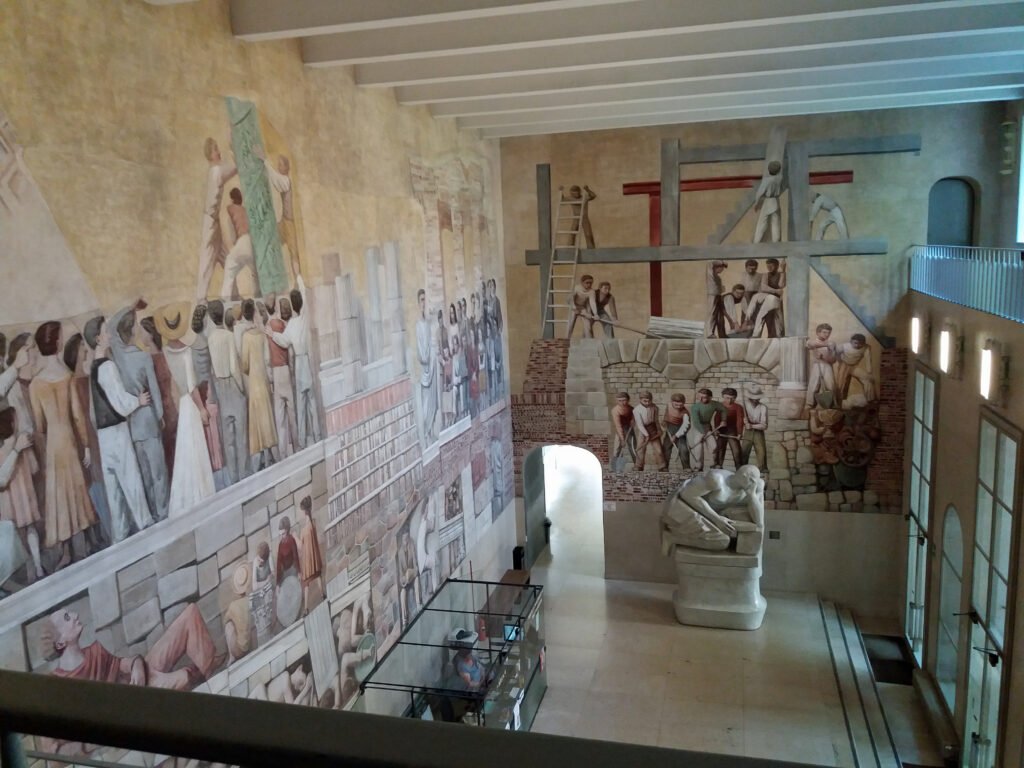
Arturo Martini spent his life trying to make sculpture modern and ended it declaring the art dead. In between he

Giuseppe Terragni died at thirty-nine, and in barely fifteen working years he became the defining figure of Italian Rationalism. He
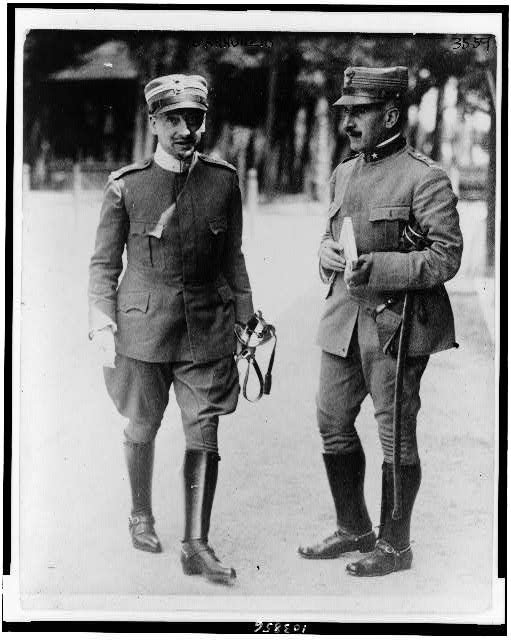
Few Italian lives of the last century left as many marks on the map as Gabriele d’Annunzio’s. Poet, novelist, playwright,
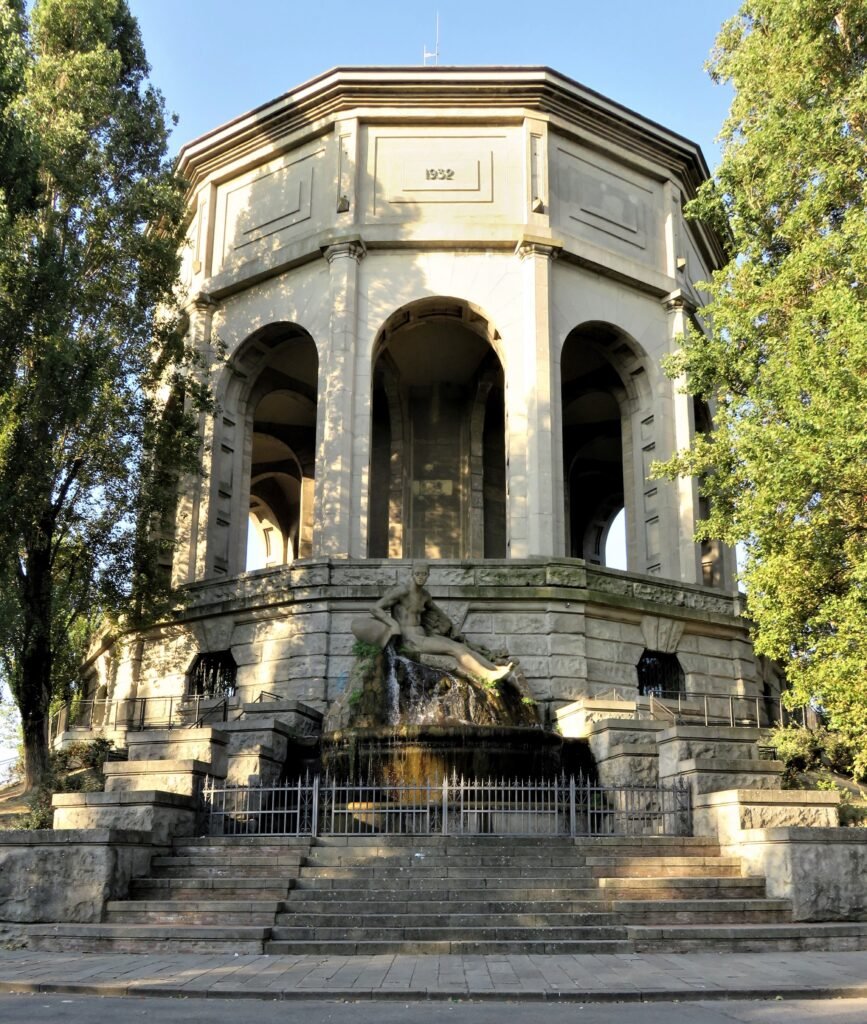
Ferrara modernised on its own terms between the wars. Alongside the old city, a new westward quarter — the Addizione
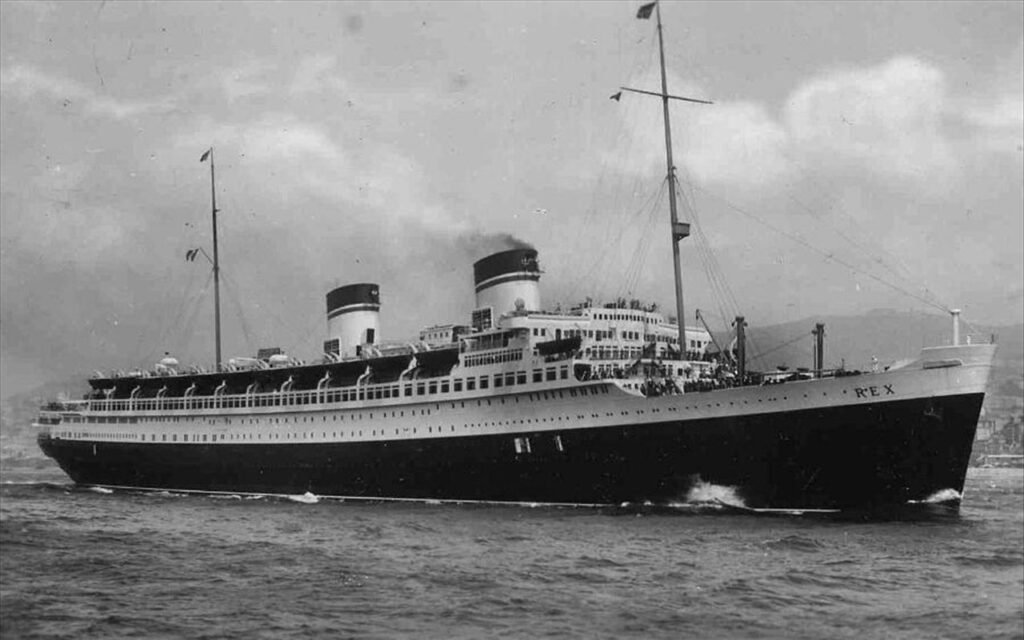
Italy’s interwar sea produced the fastest liner in the world — the Rex, Blue Riband 1933, sunk 1944 — and a deliberately archaic sailing ship, the Amerigo Vespucci of 1931, still in service today.
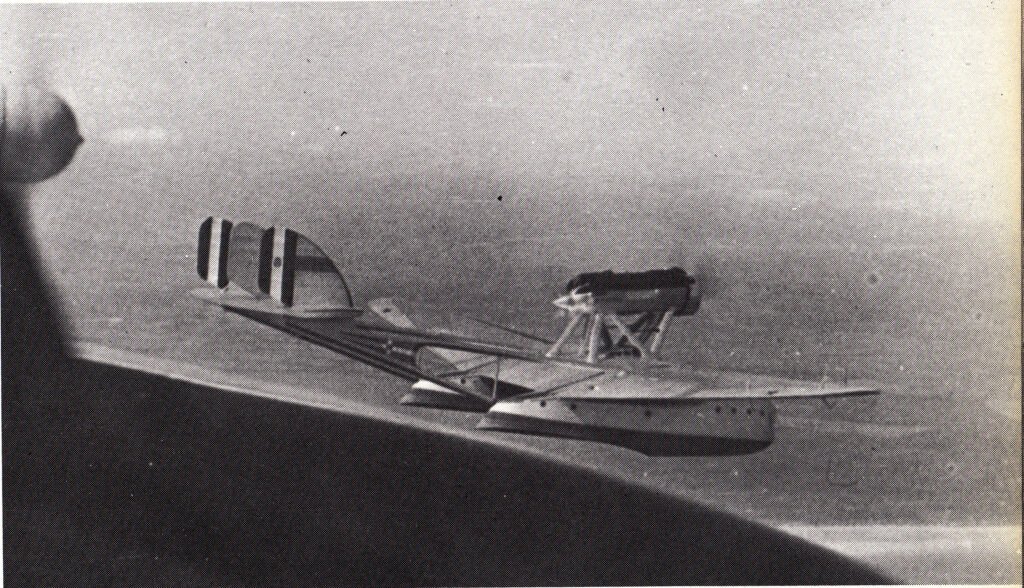
Twice in three years, formations of S.55 flying boats left the Orbetello lagoon to cross an ocean: Rio in 1931, Chicago and back in 1933. A memorial park in Tuscany and a contested Roman column on the Chicago lakefront still mark the route.