interwar

Italian Rationalism: Modern Architecture and Gruppo 7

Italian Rationalism: Modern Architecture and Gruppo 7

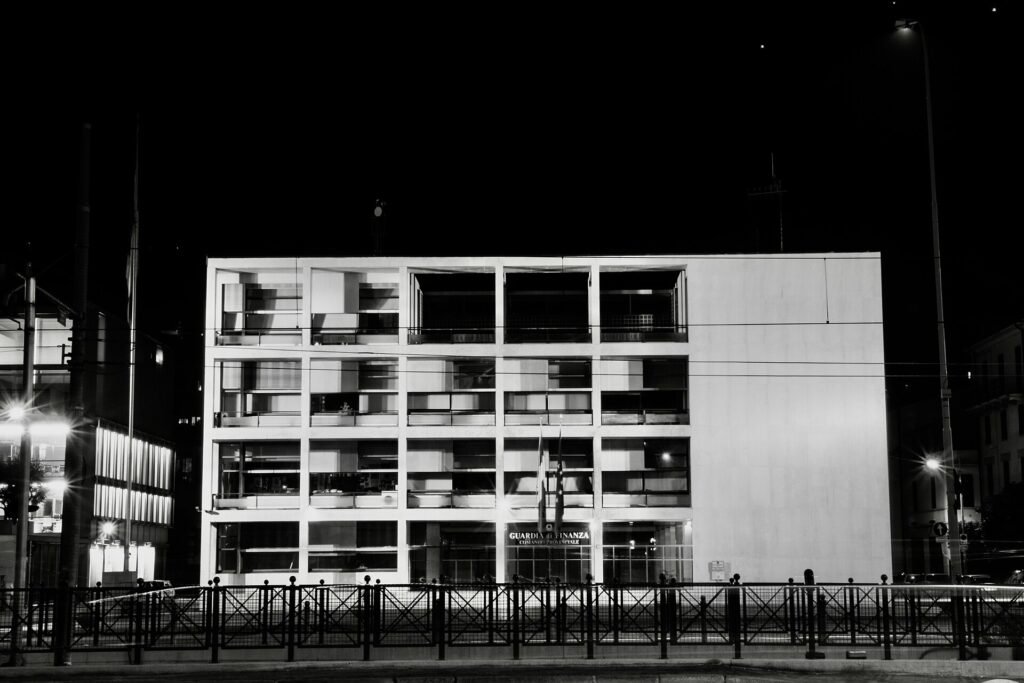
Functional, logical, free of superfluous ornament: the Italian current of the Modern Movement, from the Gruppo 7 manifestos of 1926-27 and the MIAR to Terragni’s Casa del Fascio in Como and the seaside colonies of the Adriatic — with the necessary distinctions from Novecento and monumentalism.
The Novecento Architectural Movement: Milan and Muzio

The Novecento Architectural Movement: Milan and Muzio

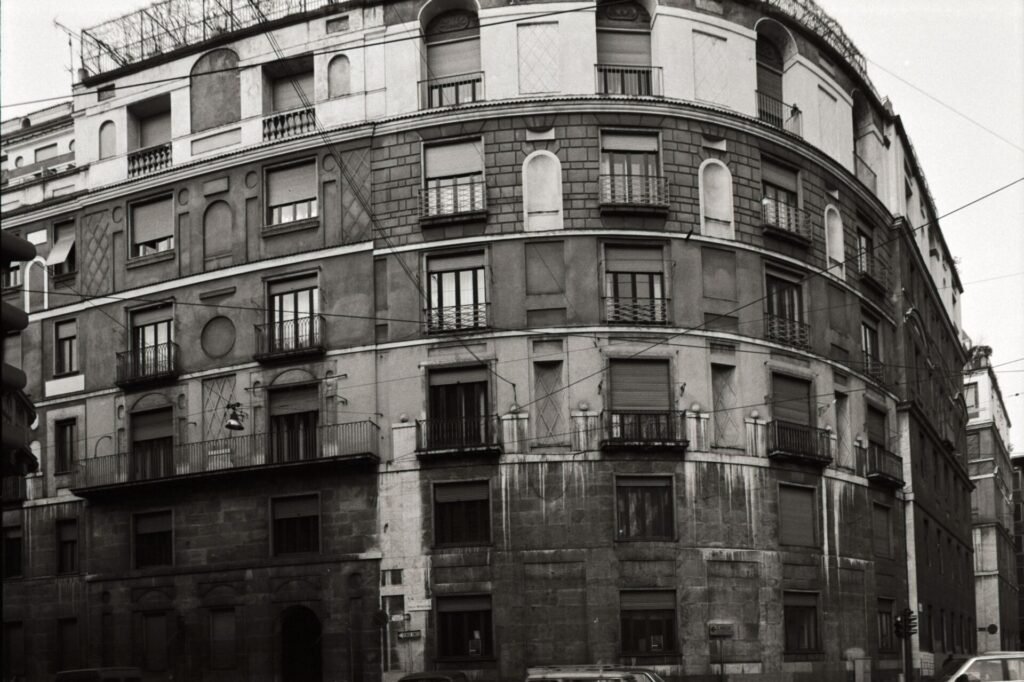
Born in Milan in 1922 as a painters’ movement around Margherita Sarfatti, the Novecento sought a bridge between classical tradition and modernity. In architecture its voice was Giovanni Muzio — from Ca’ Brutta to the Triennale — a language distinct from both rationalism and State monumentalism.

Simplified Neoclassicism: Interwar Italian Architecture

Simplified Neoclassicism: Interwar Italian Architecture

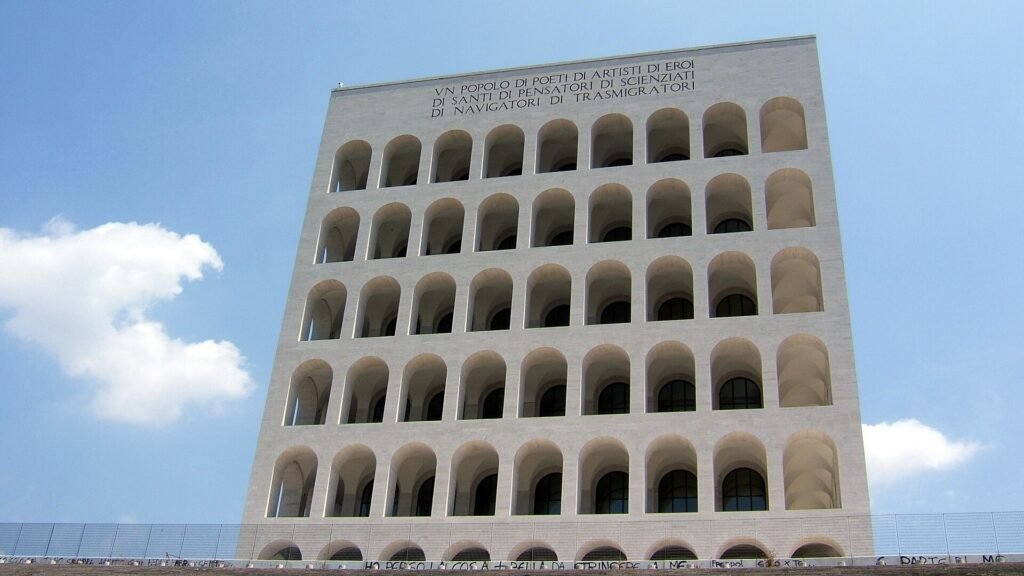
Pure geometric volumes, symmetry, minimal ornament and an explicit appeal to classical Rome reinterpreted in modern key: the monumental style of Italian public architecture in the 1930s, its defining features, its verified buildings — and how it differs from rationalism.

Luce Newsreels Fund in UNESCO Memory of the World

Luce Newsreels Fund in UNESCO Memory of the World

Newsreels, documentaries, stock footage and photographs: the documentary core of the Archivio Storico Luce records the Italian twentieth century in images. Since 2013 it is the only Italian audiovisual archive in UNESCO’s Memory of the World Register.

Istituto Luce: The Italian Historical Film Archive

Istituto Luce: The Italian Historical Film Archive

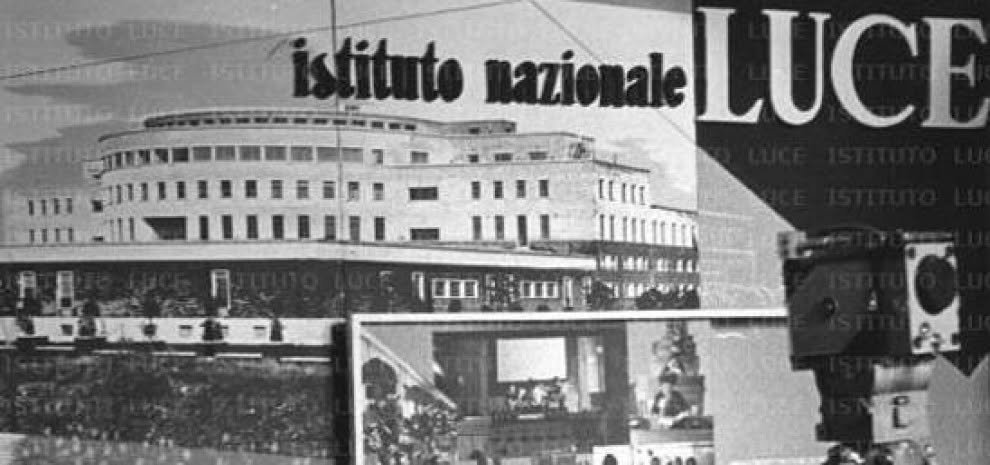
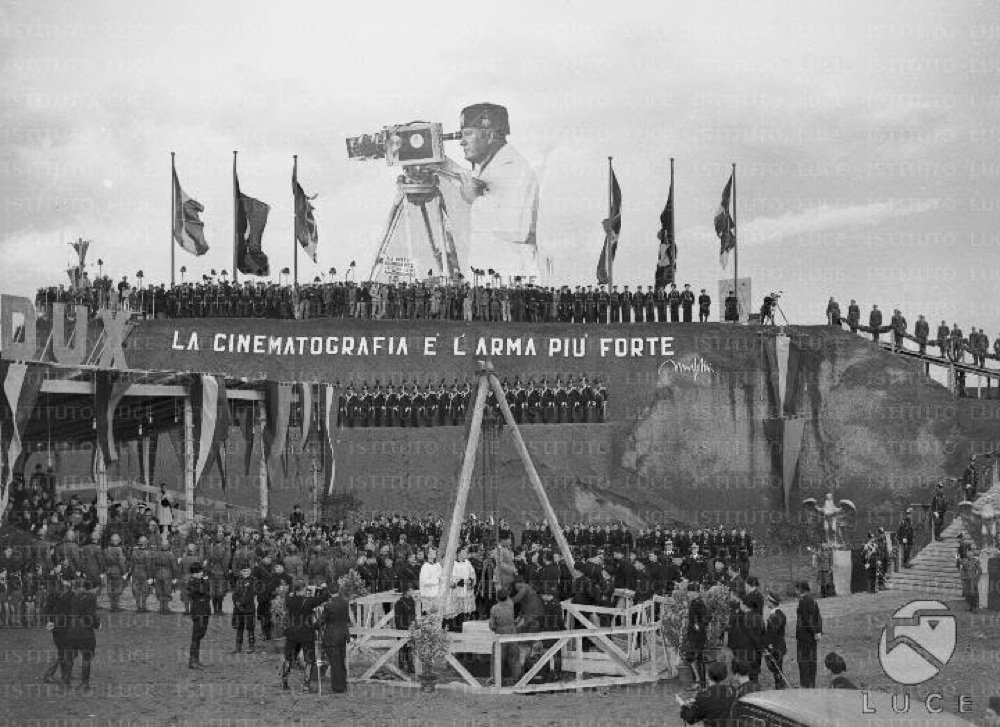
Founded in 1924, the world’s first State cinema institution produced newsreels and documentaries for two decades. Today, as Archivio Luce Cinecitta, it holds more than 77,000 films and some 5 million photographs — in UNESCO’s Memory of the World Register since 2013.

Architecture and Power in Interwar Italy: Rationalism

Architecture and Power in Interwar Italy: Rationalism

In the 1930s the regime built new towns, palaces and monuments across Italy and made architecture an instrument of identity and propaganda. From Terragni’s rationalism to Piacentini’s monumentalism and the myth of Rome — the facts and the historiography, from Paolo Nicoloso’s «Mussolini architetto».

Art Exhibitions and National Identity in 1930s Italy

Art Exhibitions and National Identity in 1930s Italy

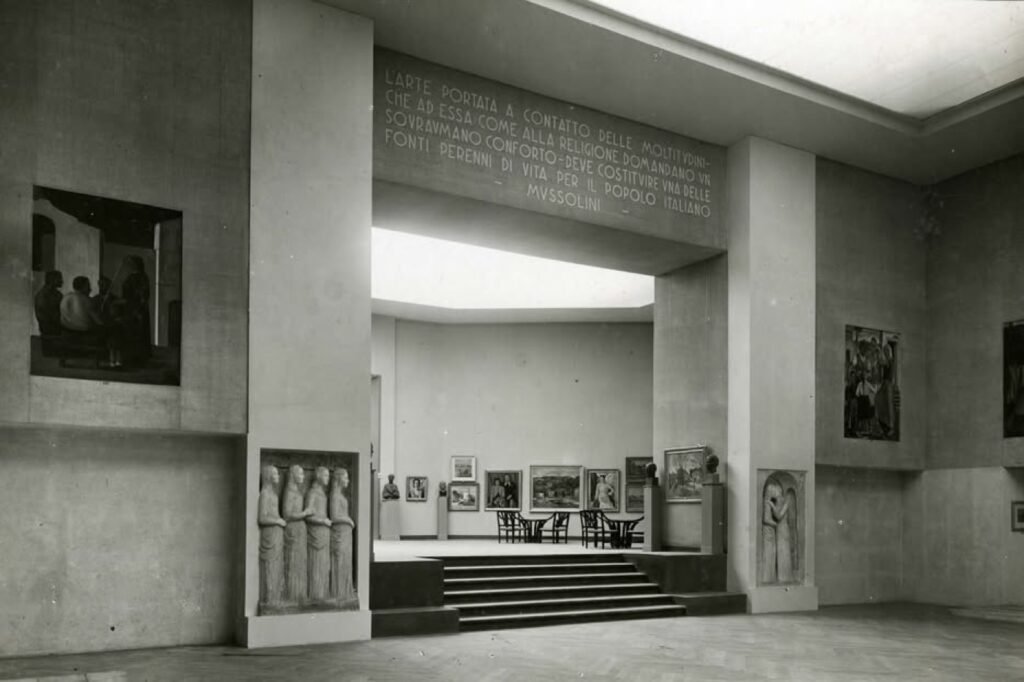
In the 1930s the Italian State promoted national art through an organised system of great exhibitions: the Venice Biennale and the first Film Festival, the Rome Quadriennale, the syndicate shows and the Exhibition of the Fascist Revolution. Artistic showcase, instrument of national identity and, in part, propaganda machine.

Visual Arts in Interwar Italy: Movements and Artists

Visual Arts in Interwar Italy: Movements and Artists

Between 1922 and 1944 Italian art spoke more than one language. Futurist aeropainting, the Novecento of Margherita Sarfatti, Sironi’s mural manifesto and a nationwide exhibition system — Biennale, Quadriennale, syndicate shows — mapped through documented facts and attributed interpretations.

Mogliano Veneto Between the Wars: Photographic History

Mogliano Veneto Between the Wars: Photographic History

Period photographs on display in a bar in Mogliano Veneto, near Venice, show a Veneto town between the wars: a brand-new civic square by the architect Mario Fabris, Vasco Vian’s war memorial, the years of the youth organizations, and the crowd of 10 June 1940. From the Stefano Vigolo collection.

Scroll to Top