Paola Bonometti
Content Editor

Paola Bonometti

Paola Bonometti is a volunteer with the ABCO association and still contributes to it today.

Contributions: 1,222 articles

Author name: Paola Bonometti

Paola Bonometti is a volunteer with the ABCO association and still contributes to it today.

Fujisan Mount Fuji Sacred Volcano: Travel Guide

Fujisan Mount Fuji Sacred Volcano: Travel Guide

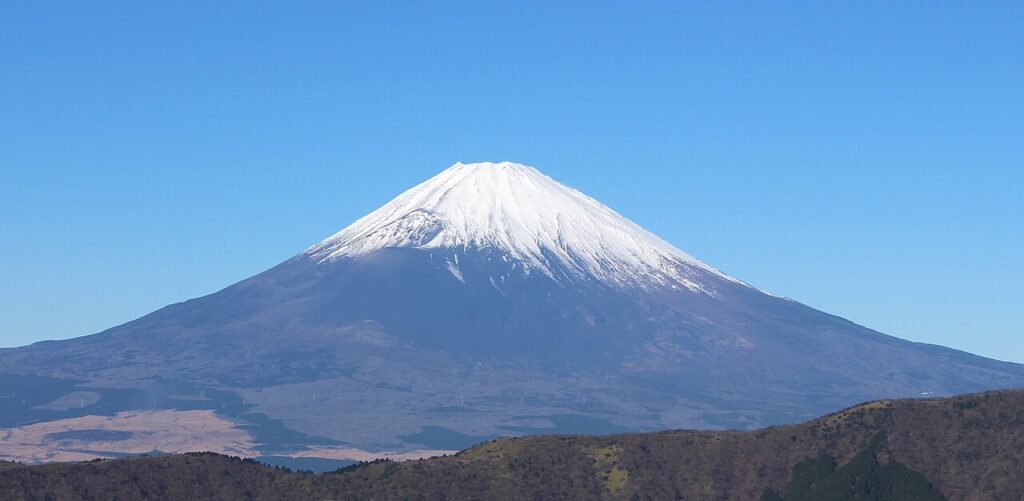
Fujisan, Sacred Place and Source of Artistic Inspiration — Mount Fuji (3,776 m), Japan’s highest peak, inscribed as a UNESCO Cultural Site (2013) for its role as a sacred Shinto mountain, 1,000-year pilgrimage destination, and the most painted subject in Japanese art history (30,000+ artworks including Hokusai’s 36 Views), with 25 component sites including the Fuji Five Lakes and Oshino Hakkai springs — 30 km from Hakone and 100 km from Kamakura.
Quanzhou Song-Yuan Global Maritime Emporium: Guide

Quanzhou Song-Yuan Global Maritime Emporium: Guide

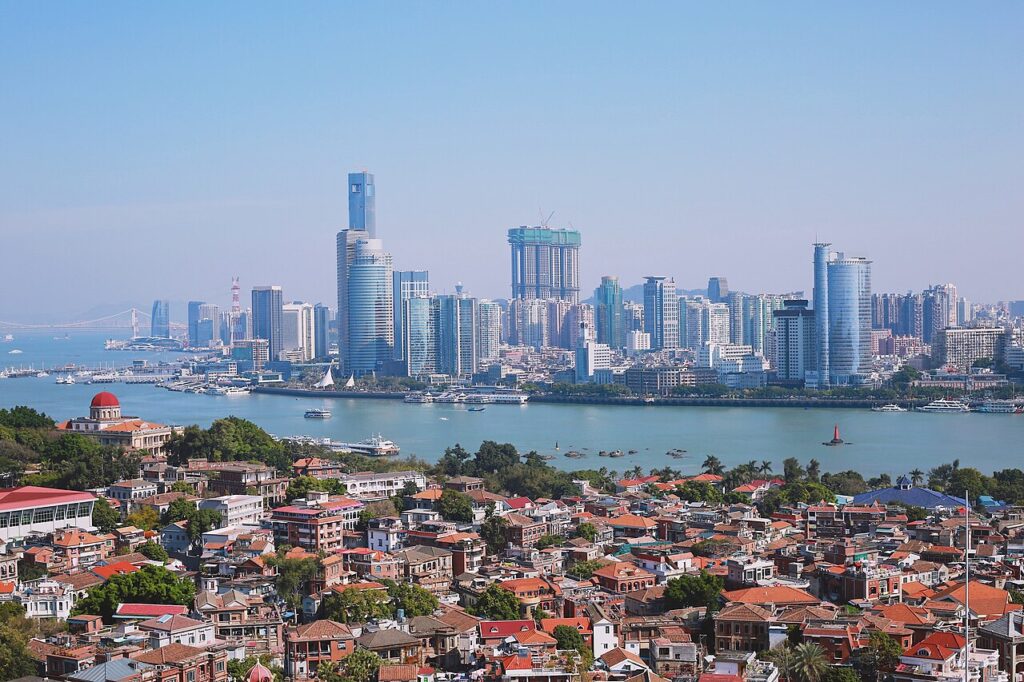
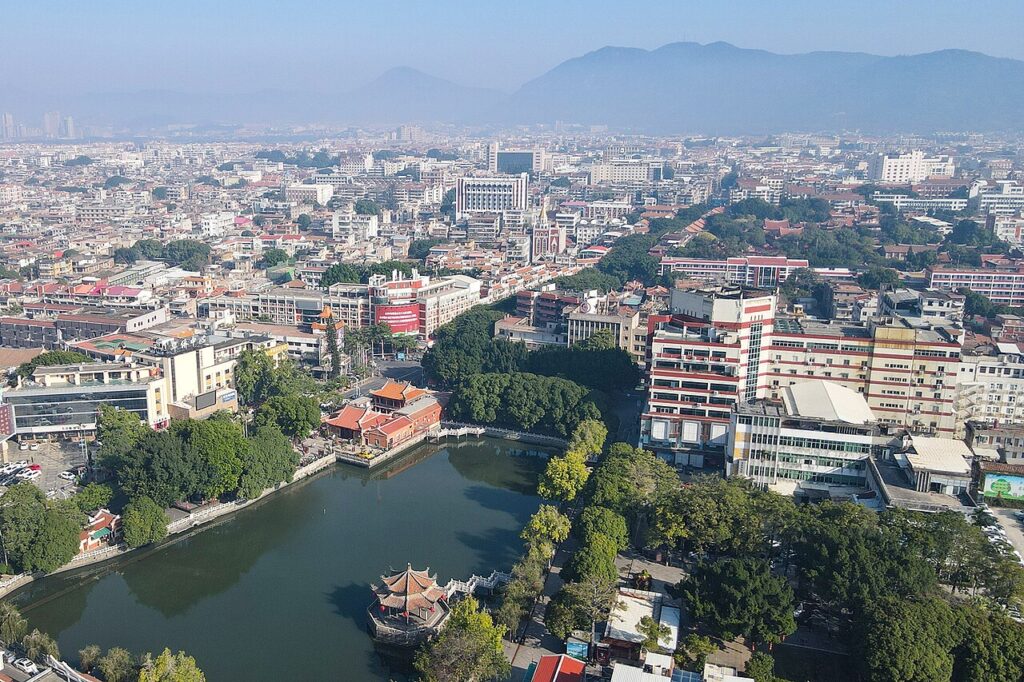
Quanzhou: Emporium of the World in Song-Yuan China — a serial UNESCO inscription (2021) with 22 component sites in Quanzhou City, Fujian, documenting the maritime Silk Road’s most cosmopolitan medieval Chinese port (10th–14th centuries CE), where Marco Polo found the “world’s greatest harbour” with Arab mosques, Hindu temples, and the 1059 CE Luoyang Bridge — linked to Kulangsu Xiamen (35 min by HSR) and Fujian Tulou (2.5 hours west).

Yellow Sea-Bohai Gulf Bird Sanctuaries: Guide

Yellow Sea-Bohai Gulf Bird Sanctuaries: Guide

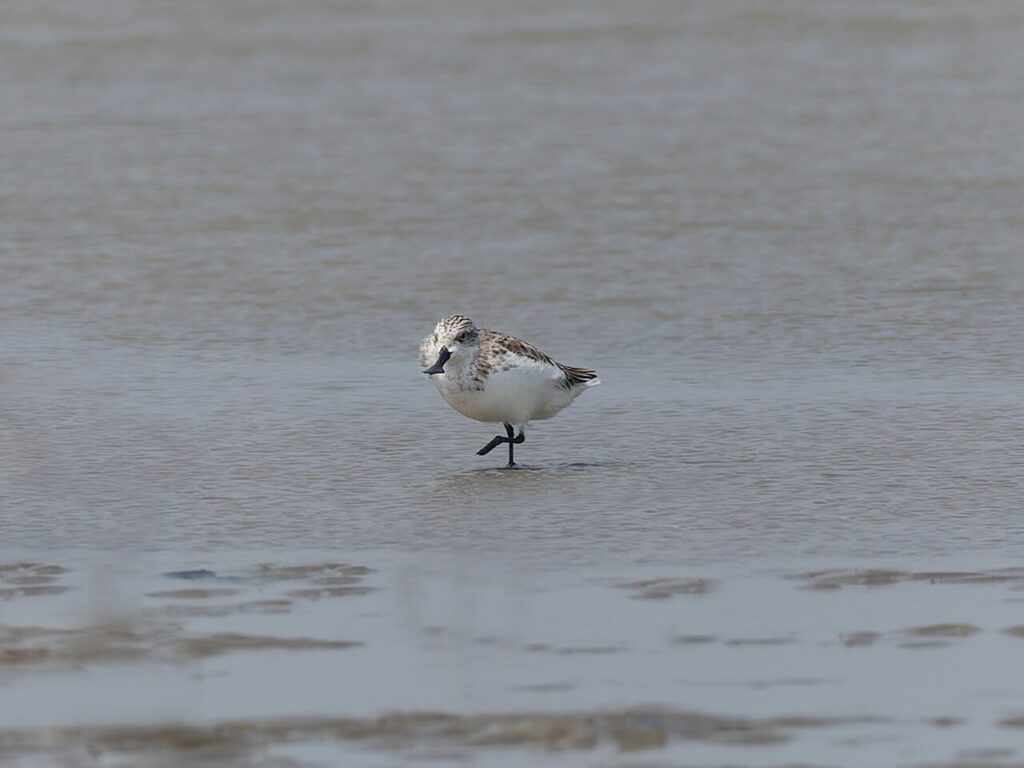
Migratory Bird Sanctuaries along the Coast of Yellow Sea-Bohai Gulf — a serial UNESCO inscription (2019/2023) protecting tidal mudflat staging habitats for 50 million migratory birds annually on the East Asian-Australasian Flyway, including the sole remaining critical habitat of the Critically Endangered spoon-billed sandpiper, linked to Mount Tai Shandong (300 km north), Grand Canal Yangzhou (200 km west), and Liangzhu Archaeological Ruins Hangzhou (300 km south).

Archaeological Ruins of Liangzhu City: Guide

Archaeological Ruins of Liangzhu City: Guide

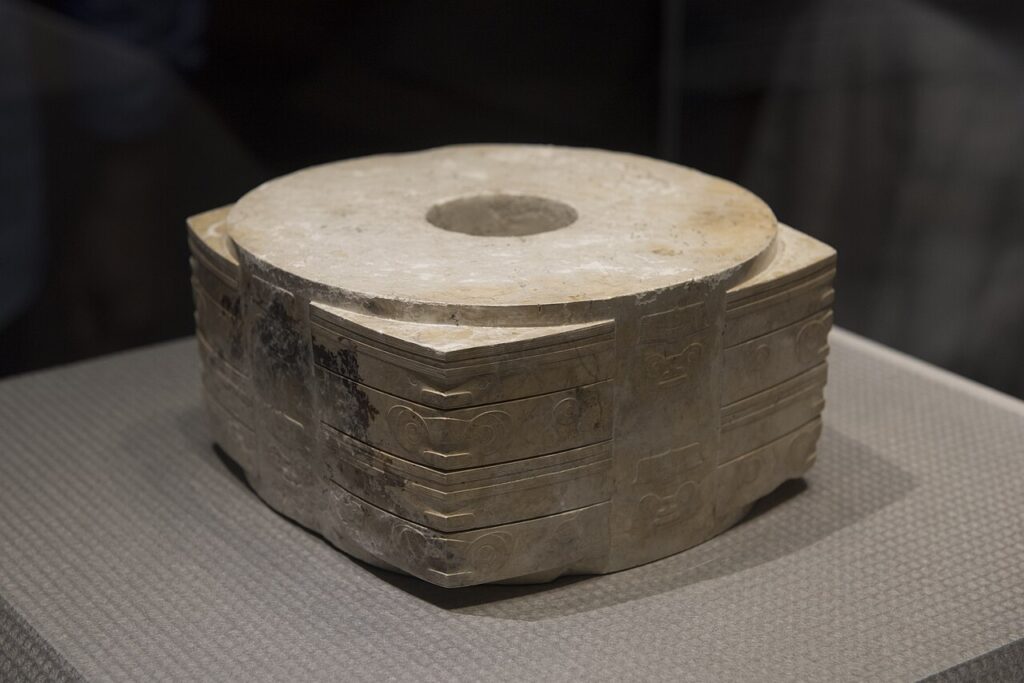
Archaeological Ruins of Liangzhu City — a 1,400-hectare Neolithic urban site (3300–2300 BCE) in Yuhang District, Hangzhou, with the world’s earliest large-scale flood-control engineering (11 dams, 46.5 million m³ capacity) and a jade civilisation 1,000 years older than the Yellow River dynasties, inscribed 2019 — 20 km from West Lake, 35 min by HSR from Suzhou Classical Gardens.

Fanjingshan Sacred Mountain Peak: Travel Guide

Fanjingshan Sacred Mountain Peak: Travel Guide

Fanjingshan — a 402 km² nature reserve in the Wuling Mountains of northeastern Guizhou Province, sole remaining habitat of the Guizhou snub-nosed monkey (750 individuals wild), famous for its twin-pinnacle Buddhist summit Neijin Ding at 2,336 m, inscribed 2018 — near Wulingyuan Zhangjiajie (150 km northeast), Tusi Sites Hailongtun Zunyi (200 km southwest), and Fenghuang Ancient Town (150 km east).

Kulangsu Gulangyu Historic Settlement: Guide

Kulangsu Gulangyu Historic Settlement: Guide

Kulangsu (Gulangyu) Historic International Settlement — a 1.88 km² island off Xiamen with 931 historical buildings from the 1902–1942 International Settlement period, the finest surviving collection of Amoy Deco eclectic colonial architecture in China, home to piano culture tradition producing concert pianists for 80+ years, inscribed 2017 — linked to Quanzhou Song-Yuan China (35 min by HSR) and Wuyi Mountain (4 hours northwest).

Zuojiang Huashan Rock Art Landscape: Travel Guide

Zuojiang Huashan Rock Art Landscape: Travel Guide

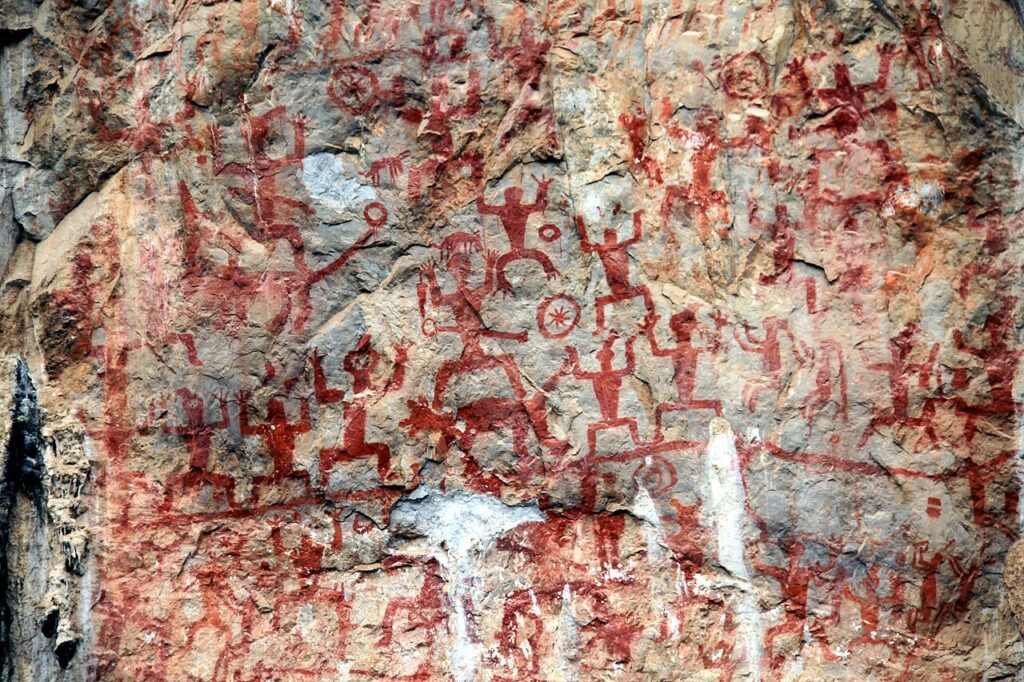
The Zuojiang Huashan Rock Art Cultural Landscape — 38 sites with 2,000+ years old Luo Yue rock paintings (5th century BCE–2nd century CE) on limestone cliffs above the Zuojiang River in Guangxi, the largest concentration of Bronze Age rock art in East Asia, inscribed 2016 — linked to South China Karst Guilin 350 km north via HSR and Detian-Ban Gioc Waterfall Vietnam border 200 km west.

Tusi Sites Imperial Chieftain Seats: Travel Guide

Tusi Sites Imperial Chieftain Seats: Travel Guide

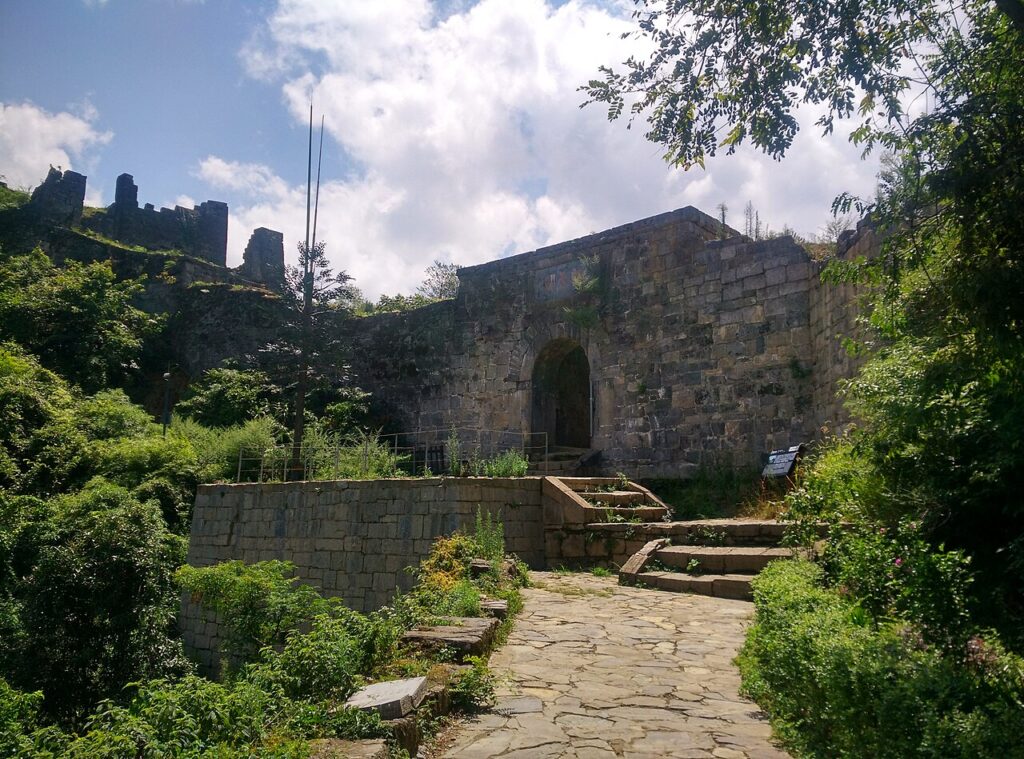
The Tusi Sites — a serial UNESCO inscription (2015) covering three tusi chieftain sites in southern China: Hailongtun fortress Zunyi Guizhou (1257 CE), Laosicheng planned city Yongshun Hunan (1135 CE), and Tangya ceremonial compound Xianfeng Hubei — documents the indigenous governance system that administered China’s southwestern ethnic minority frontier for 900 years, near Wulingyuan Zhangjiajie (200 km), Dazu Rock Carvings Chongqing (200 km), and South China Karst Libo (400 km).

Honghe Hani Rice Terraces Landscape: Travel Guide

Honghe Hani Rice Terraces Landscape: Travel Guide

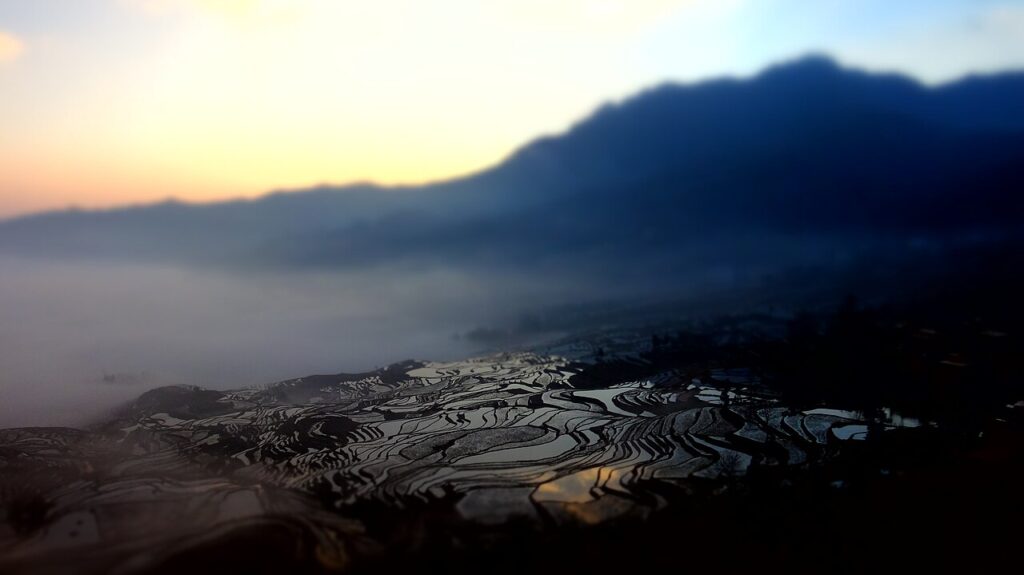
The Cultural Landscape of Honghe Hani Rice Terraces — 16,603 hectares of Hani ethnic minority terraced agriculture on the Ailao Mountain slopes in Yunnan Province, a 1,300-year-old integrated agro-ecological system combining sacred forest, village water management, and gravity-fed rice paddies, inscribed 2013 — linked to Jianshui Ancient Town (80 km west), Shilin Stone Forest Kunming (200 km north), and Three Parallel Rivers (350 km northwest via HSR).

Grand Canal of China Historic Waterway: Guide

Grand Canal of China Historic Waterway: Guide

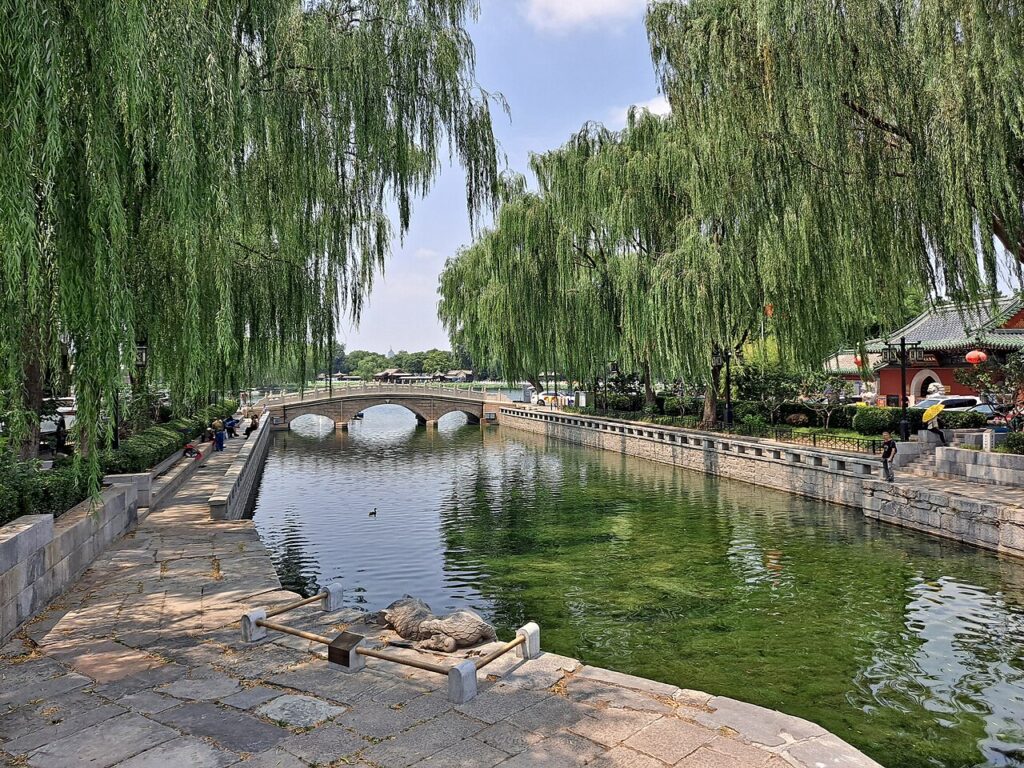
The Grand Canal — 2,700 km from Hangzhou to Beijing, the world’s longest artificial waterway and largest pre-industrial hydraulic engineering project, inscribed as a UNESCO serial site (27 components, 1,011 km of canal sections), linking West Lake Hangzhou at the southern terminus to the Forbidden City at the northern, inscribed 2014.

Scroll to Top