Paola Bonometti
Content Editor

Paola Bonometti

Paola Bonometti is a volunteer with the ABCO association and still contributes to it today.

Contributions: 1,022 articles

Author name: Paola Bonometti

Paola Bonometti is a volunteer with the ABCO association and still contributes to it today.

UNESCO Sites Near Vat Phou: What to See

UNESCO Sites Near Vat Phou: What to See

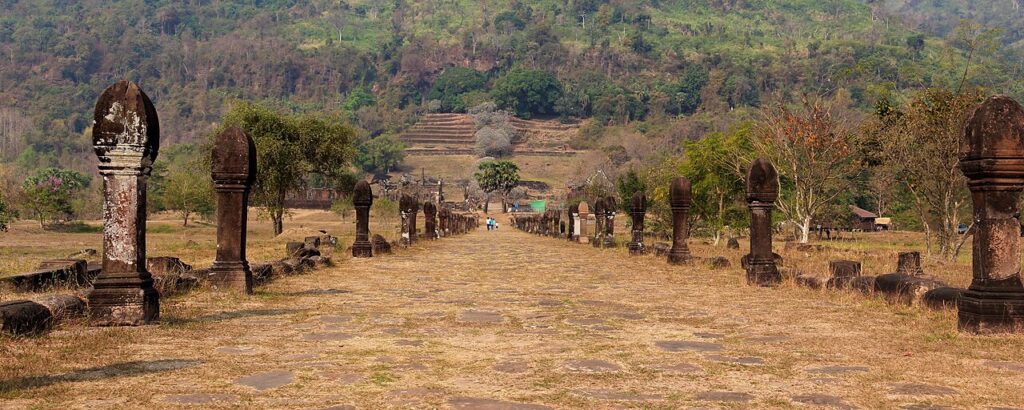
Vat Phou is a Khmer-era temple complex on the slopes of Phu Kao mountain in southern Laos, active from at least the 5th century CE — predating Angkor by 500 years — and oriented along a 1.5 km processional axis from the Mekong River to a sacred spring at the mountain summit. A Shiva temple converted to Theravada Buddhism, it retains Hindu carvings alongside Buddhist images and covers a 390 km² UNESCO cultural landscape inscribed in 2001.
UNESCO Sites Near Prambanan: What to See

UNESCO Sites Near Prambanan: What to See

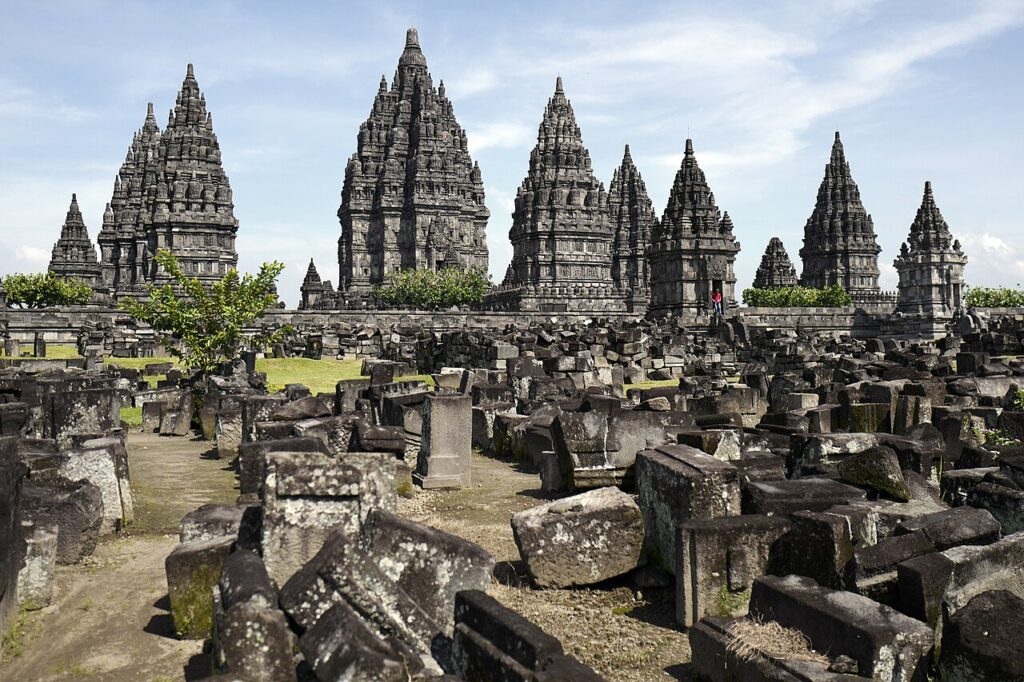
Prambanan is a 9th-century Hindu temple compound 17 km east of Yogyakarta, built around 856 CE with a 47-metre Shiva tower facing a gallery of Ramayana reliefs considered among the finest narrative stone carving in Southeast Asia. It was abandoned in the early 10th century — possibly after a Merapi eruption — fell into ruin over 900 years, and shares a UNESCO inscription with its Buddhist near-neighbour Borobudur, 40 km west.

UNESCO Sites Near Bagan: What to See

UNESCO Sites Near Bagan: What to See

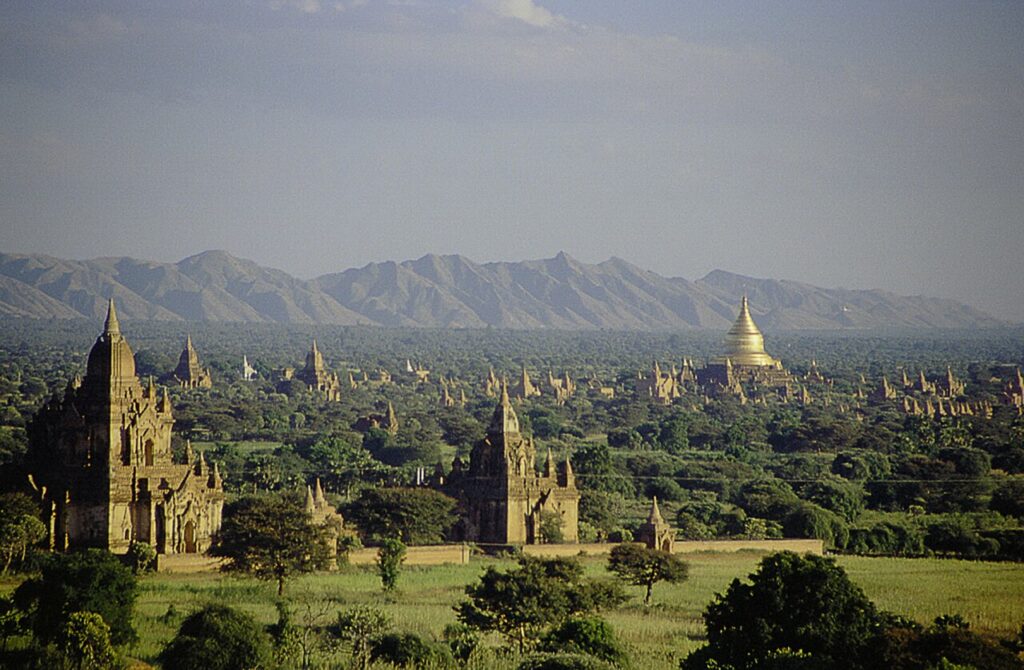
Bagan’s archaeological zone on the Irrawaddy River contains approximately 3,500 surviving Buddhist monuments from an imperial capital that once held 10,000 religious structures. The site received UNESCO World Heritage status in 2019 after decades of delay over post-earthquake cement restorations — and a 2016 earthquake damaged another 400 pagodas, with restoration still ongoing across the 67 km² plain.

UNESCO Sites Near Humayun’s Tomb: What to See

UNESCO Sites Near Humayun’s Tomb: What to See

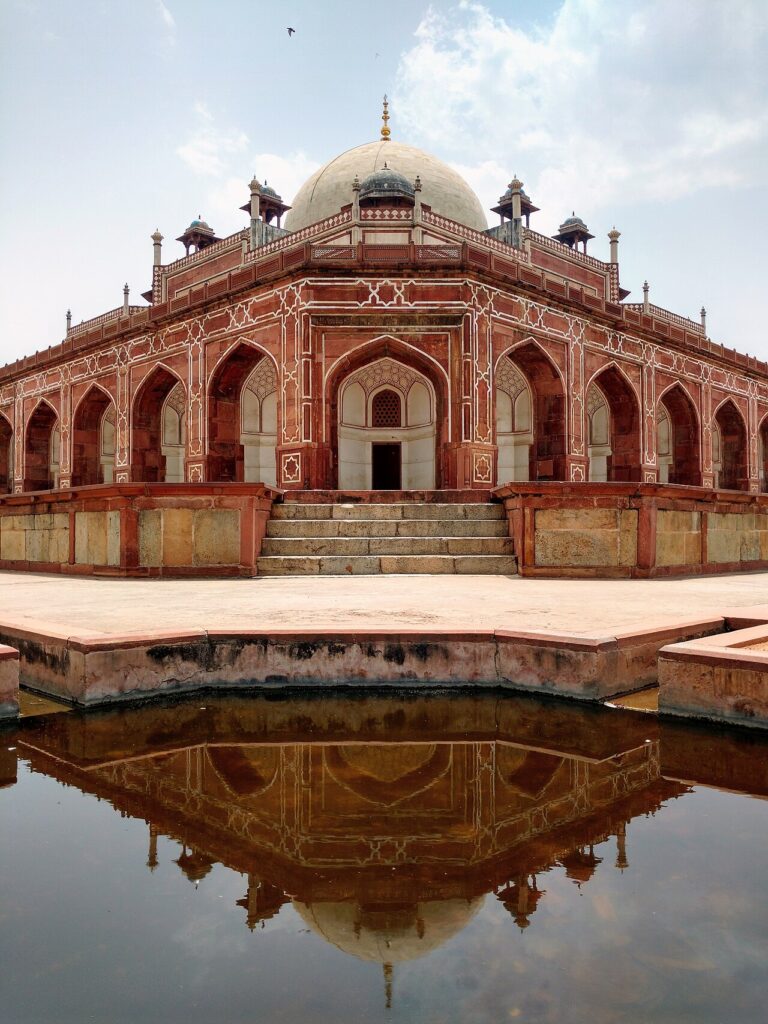
Humayun’s Tomb in Delhi, completed in 1572 by the Persian architect Mirak Mirza Ghiyas under the commission of Haji Begum, introduced the charbagh garden-tomb formula and the double dome to the Indian subcontinent — both adopted directly by the builders of the Taj Mahal. The complex contains over 150 Mughal graves and was the site where the last Mughal emperor, Bahadur Shah Zafar, surrendered to British forces in September 1857. UNESCO inscribed it in 1993.

UNESCO Sites Near Qutb Minar: What to See

UNESCO Sites Near Qutb Minar: What to See

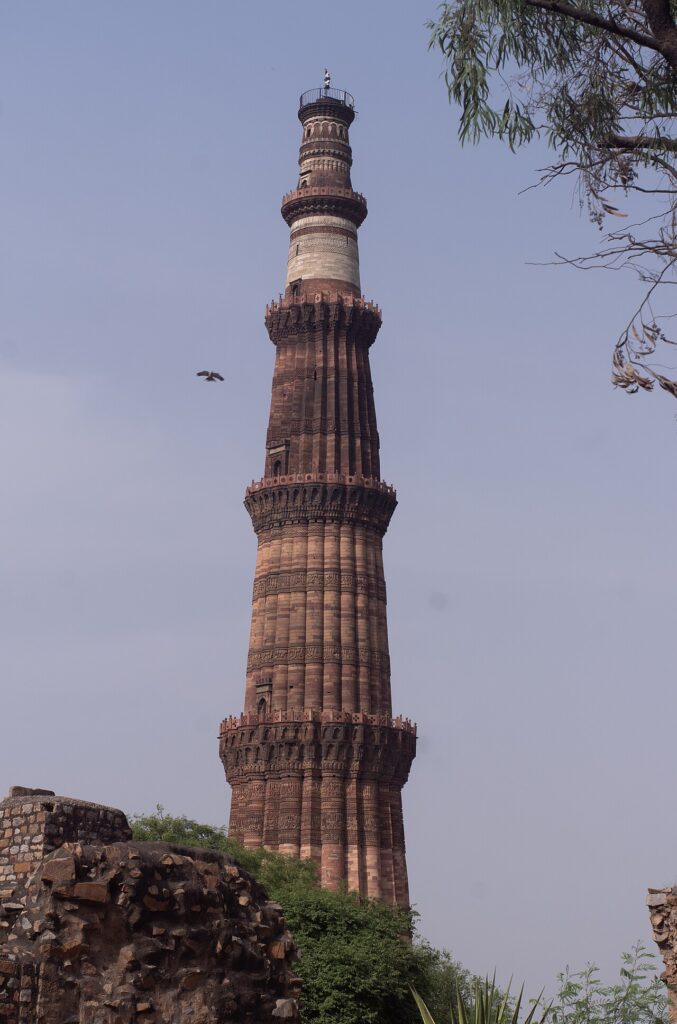
The Qutb Minar complex in south Delhi comprises the world’s tallest brick minaret (72.5 metres, built from 1193 CE), the first mosque in India after the Islamic conquest (built partly from 27 repurposed temple columns), and a 1,600-year-old iron pillar that has not rusted — explained by its high phosphorus content forming a stable protective surface layer. The Alai Darwaza (1311) introduced true arches and domes to India. UNESCO inscribed the site in 1993.

UNESCO Sites Near Mahabodhi Temple: What to See

UNESCO Sites Near Mahabodhi Temple: What to See

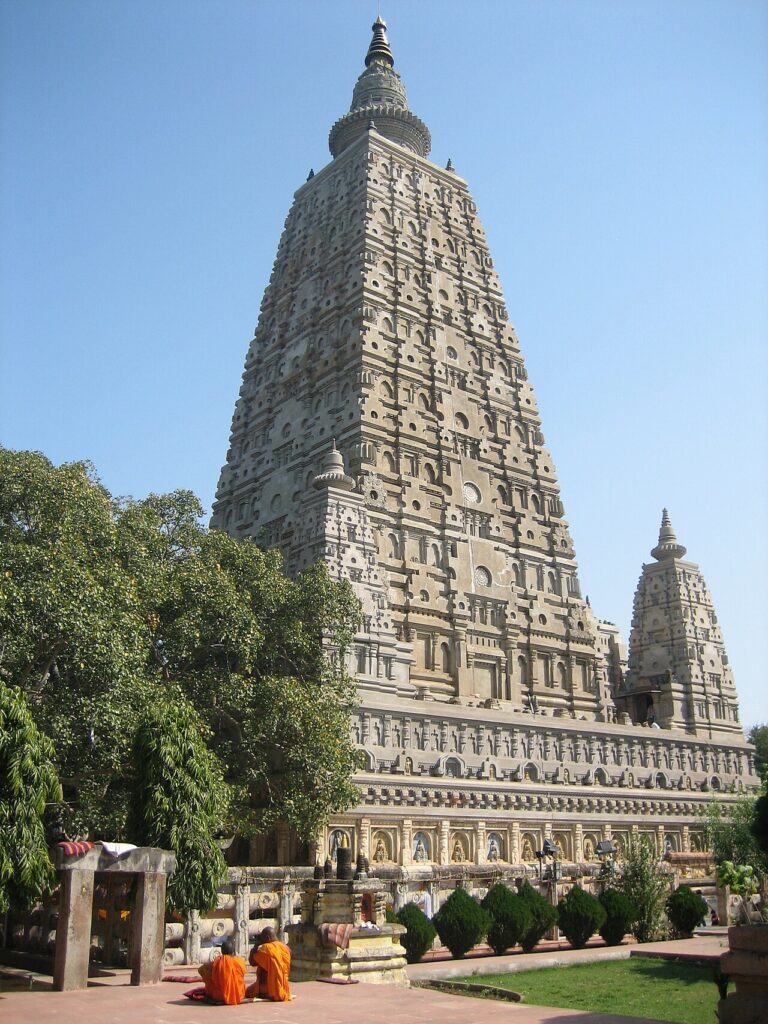
The Mahabodhi Temple Complex at Bodh Gaya in Bihar marks the site where the Buddha attained enlightenment around 500 BCE under a pipal tree whose genetic lineage traces back through Sri Lanka to the original. The 55-metre temple tower dates primarily to the Gupta period; beneath the current Bodhi Tree sits the Vajrasana stone slab placed by Emperor Ashoka around 250 BCE to mark the exact spot of enlightenment. UNESCO inscribed the complex in 2002.

UNESCO Sites Near Konark Sun Temple: What to See

UNESCO Sites Near Konark Sun Temple: What to See

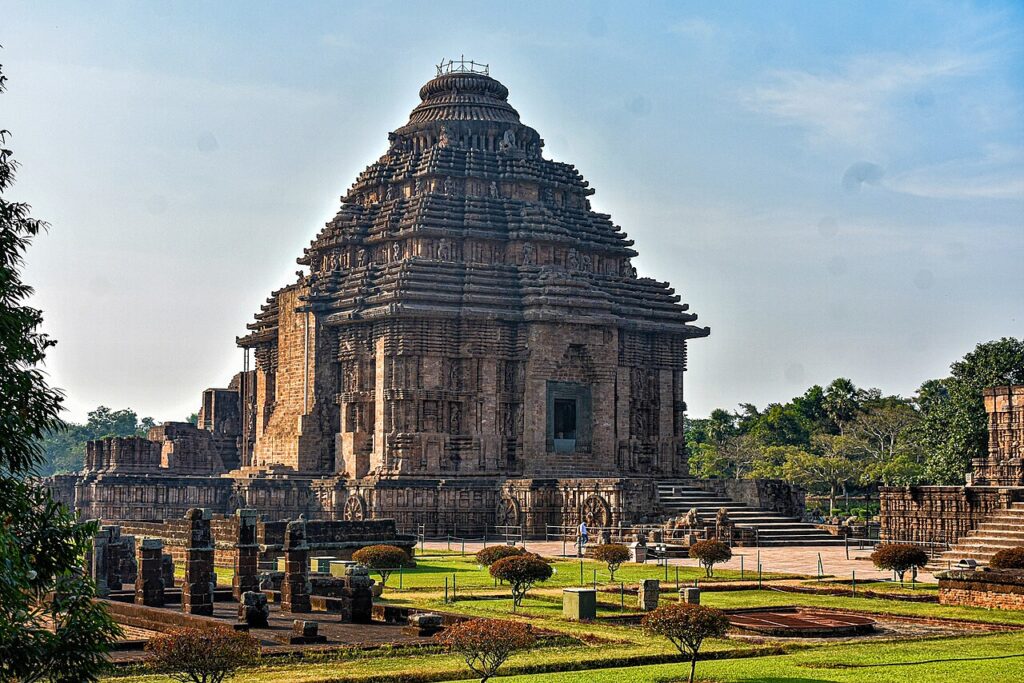
The Konark Sun Temple in Odisha, built around 1250 CE under King Narasimhadeva I, is designed as a colossal stone chariot for the sun god Surya — 24 carved wheels that function as working sundials, seven stone horses, and thousands of sculptural figures covering every surface. The main 70-metre tower collapsed at an uncertain date; what remains is the 39-metre audience hall, filled with sand during the colonial period to prevent further collapse. UNESCO inscribed the site in 1984.

UNESCO Sites Near Pattadakal: What to See

UNESCO Sites Near Pattadakal: What to See

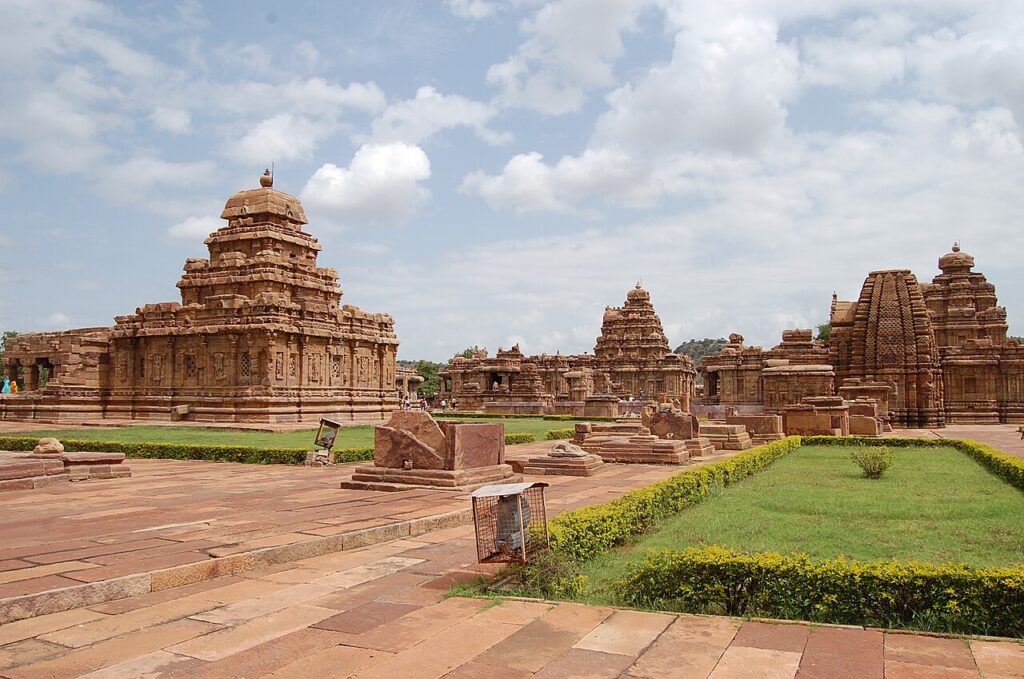
Pattadakal is a UNESCO World Heritage Site in Karnataka containing 10 temples built under the Early Chalukya dynasty between the 7th and 9th centuries CE, unique in India for presenting North Indian Nagara and South Indian Dravidian architectural styles side by side in a single complex. The Virupaksha Temple of 742 CE, commissioned by Queen Lokamahadevi and built partly by craftsmen from the defeated Pallava kingdom, is the largest structure on site and a direct precursor of the Deccan temple traditions that culminated at Hampi eight centuries later.

UNESCO Sites Near Hampi: What to See

UNESCO Sites Near Hampi: What to See

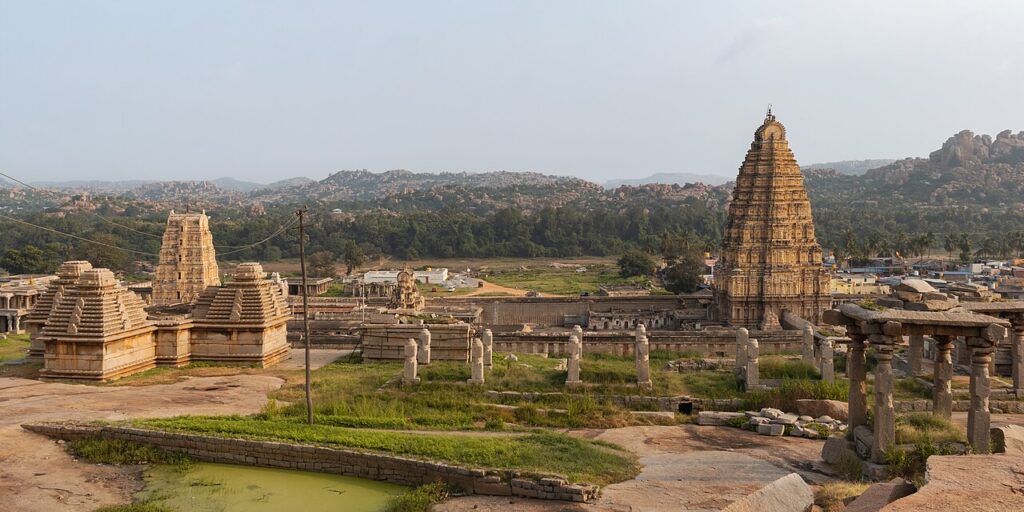
Hampi is a UNESCO World Heritage Site comprising the ruined capital of the Vijayanagara Empire in Karnataka, which at its 16th-century peak held an estimated 500,000 residents — larger than Rome at the same period. Sacked and burned for six months after military defeat in 1565, the 25-square-kilometre site preserves more than 1,600 monuments including the Vittala Temple’s musical pillars and stone chariot, and the still-active Virupaksha Temple with its 50-metre gopuram.

UNESCO Heritage Sites Near Gebel Barkal, Sudan

UNESCO Heritage Sites Near Gebel Barkal, Sudan

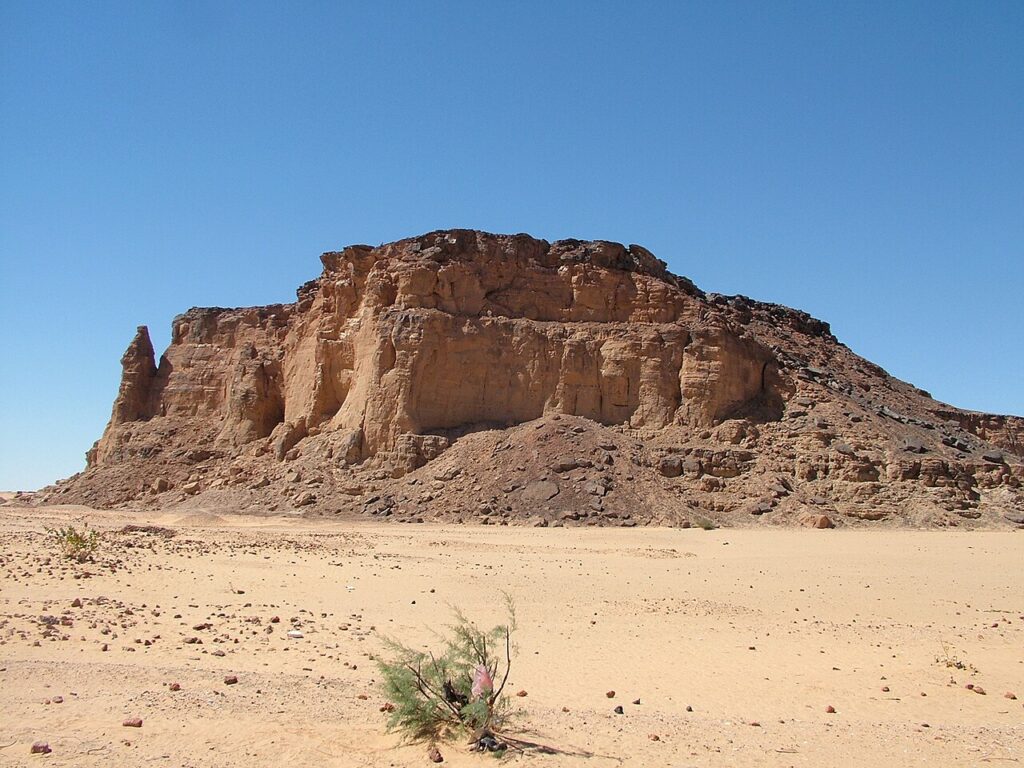
Gebel Barkal is a 98-metre sandstone mountain in northern Sudan that served as the sacred centre of the Napatan kingdom — the civilisation whose kings conquered all of Egypt in the 8th century BCE and built more pyramids than any Egyptian dynasty. The UNESCO-inscribed site includes the Temple of Amun, royal pyramid fields at Nuri (containing Taharqa’s 65-metre pyramid), and the earliest Kushite cemetery at El-Kurru.

Scroll to Top