Paola Bonometti
Content Editor

Paola Bonometti

Paola Bonometti is a volunteer with the ABCO association and still contributes to it today.

Contributions: 1,022 articles

Author name: Paola Bonometti

Paola Bonometti is a volunteer with the ABCO association and still contributes to it today.

UNESCO Heritage Sites Near Socotra Archipelago, Yemen

UNESCO Heritage Sites Near Socotra Archipelago, Yemen

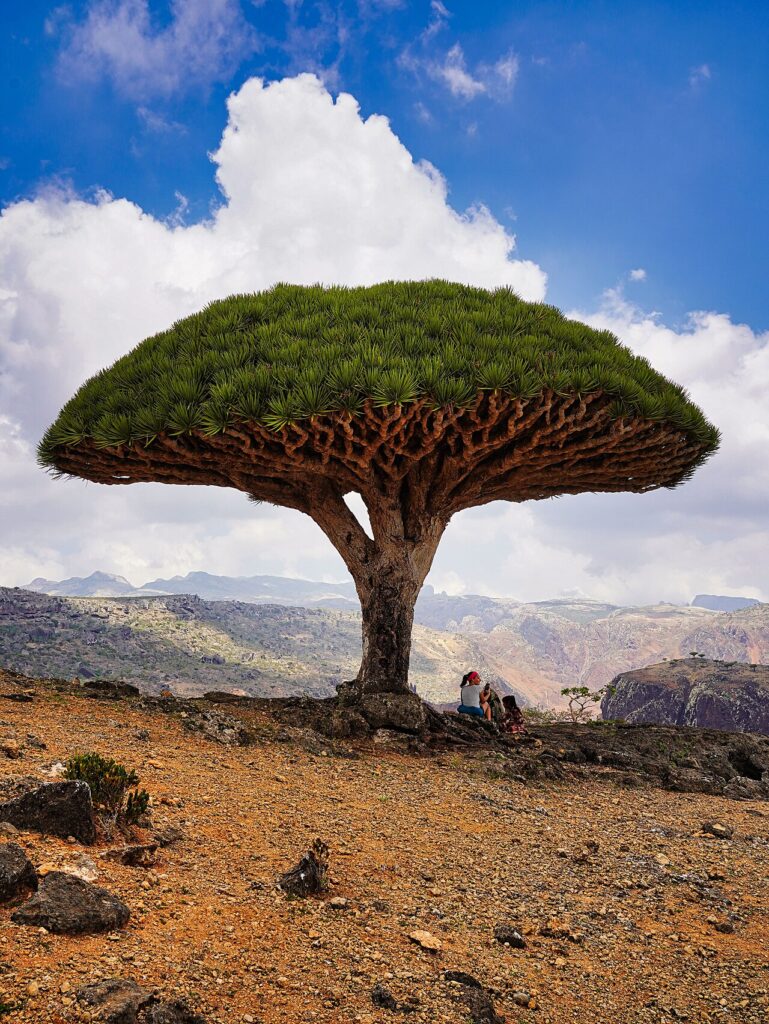
Socotra, a UNESCO Natural World Heritage Site in the Arabian Sea, holds one of the world’s highest concentrations of endemic species — including the dragon blood tree with its distinctive inverted-umbrella canopy — produced by six to seven million years of near-total isolation. On the In Danger list since 2021 due to the Yemen civil war, the archipelago remains one of the most extraordinary natural environments on Earth, with careful planning required for any visit.
UNESCO Heritage Sites Near Lumbini, Nepal

UNESCO Heritage Sites Near Lumbini, Nepal

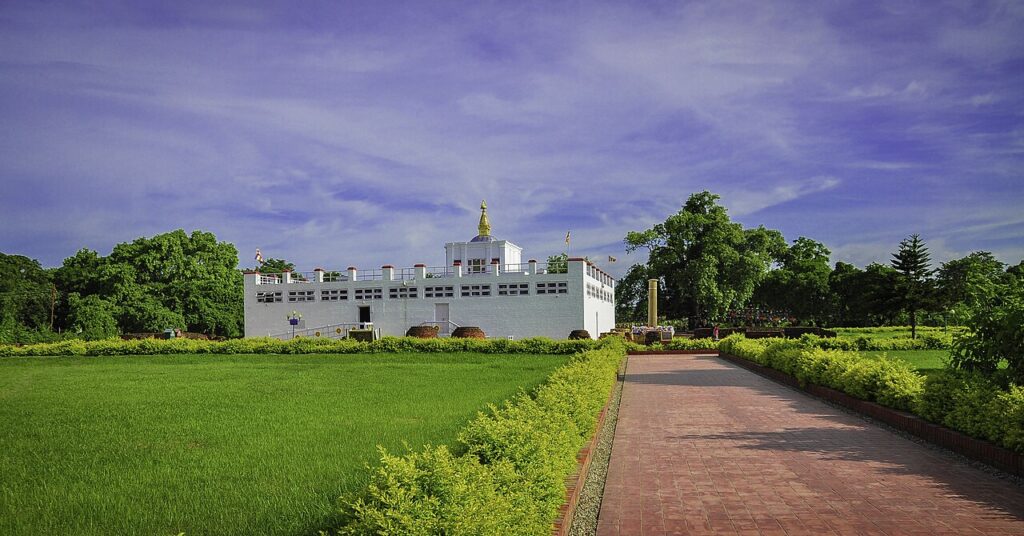
Lumbini in Nepal’s Terai lowlands is the site where the Buddha is said to have been born around the 5th century BCE, confirmed by an inscription placed by Emperor Ashoka in 249 BCE — the earliest written evidence linking a physical location to Siddhartha Gautama. UNESCO-inscribed since 1997, the Sacred Garden preserves the Mayadevi Temple, the Ashoka Pillar, and the Nativity Stone, surrounded by a monastic zone where 26 nations have built monasteries.

UNESCO Heritage Sites Near Pasargadae, Iran

UNESCO Heritage Sites Near Pasargadae, Iran

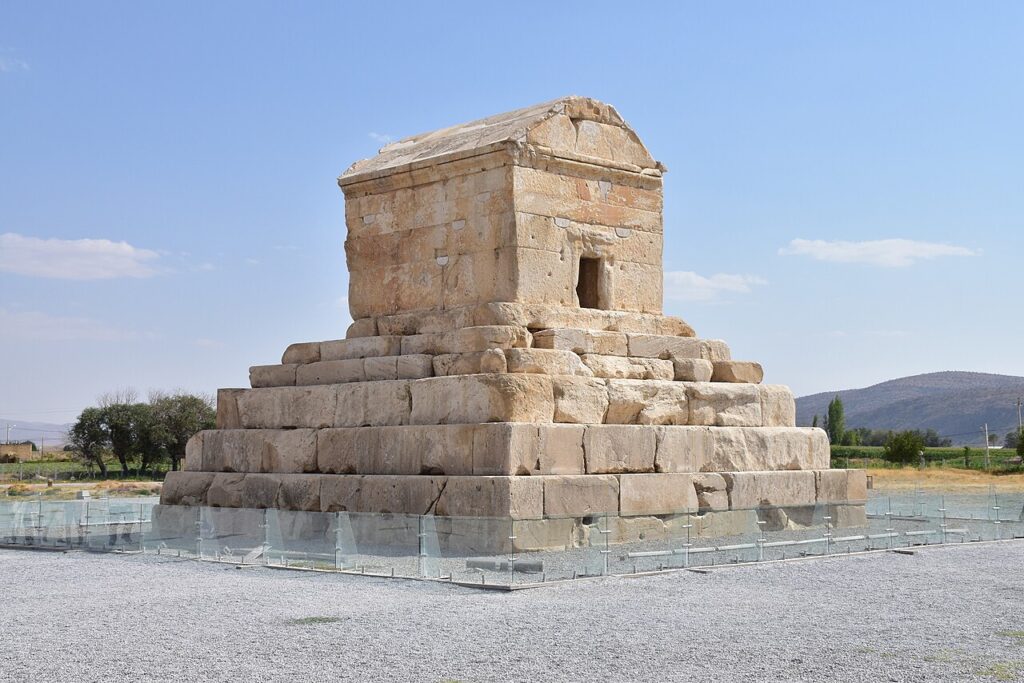
Pasargadae in Fars Province, Iran — UNESCO World Heritage Site since 2004 — was founded around 546 BCE by Cyrus the Great as the first capital of the Achaemenid Persian Empire, containing the Tomb of Cyrus, the earliest known formal garden (origin of the word “paradise”) and the Tall-e Takht coronation platform, located 90 kilometres north of Persepolis.

UNESCO Heritage Sites Near Mỹ Sơn, Vietnam

UNESCO Heritage Sites Near Mỹ Sơn, Vietnam

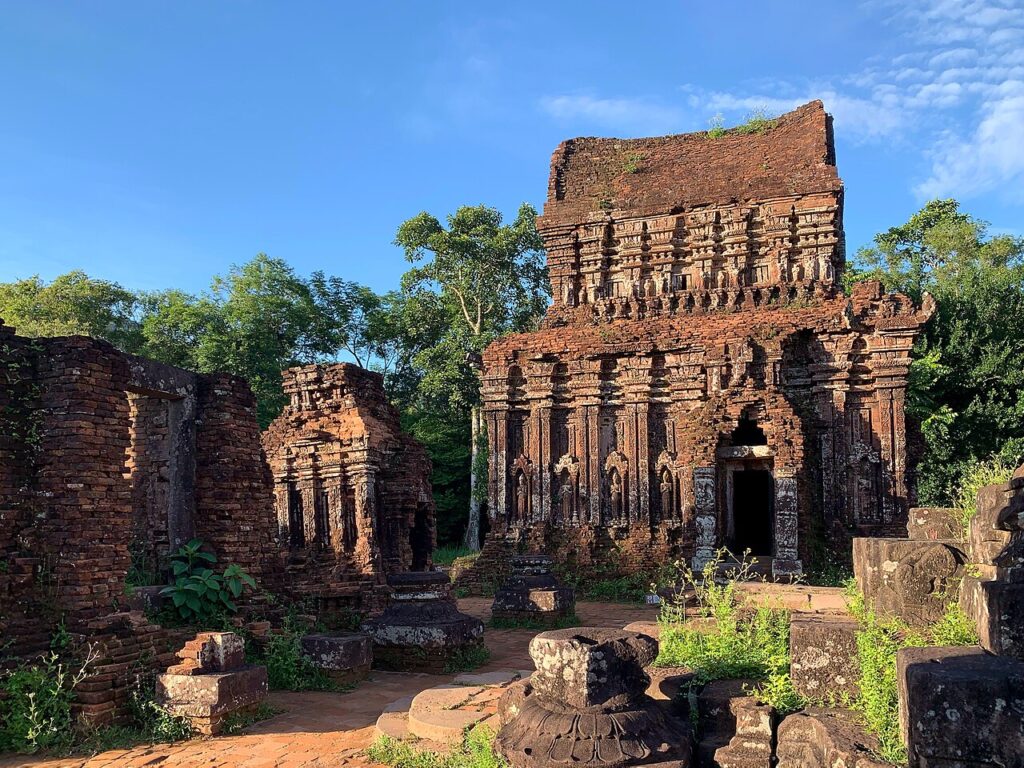
Mỹ Sơn Sanctuary in Quảng Nam Province, Vietnam — UNESCO World Heritage Site since 1999 — was the religious capital of the Champa Kingdom from the fourth to the fourteenth century, preserving the longest uninterrupted Hindu brick-tower building tradition in Southeast Asia, despite the destruction of its finest group of towers in a 1969 American air strike.

UNESCO Heritage Sites Near Tràng An, Vietnam

UNESCO Heritage Sites Near Tràng An, Vietnam

Tràng An Scenic Landscape Complex in Ninh Binh Province, Vietnam — one of UNESCO’s rare mixed Cultural and Natural World Heritage Sites (2014) — combines a drowned limestone karst landscape, 30,000 years of archaeological evidence and the remains of Vietnam’s first independent medieval capital at Hoa Lu, all explored by flat-bottomed boat through 47 cave passages.

Venice Banned Souvenir Shops at Rialto in 2003

Venice Banned Souvenir Shops at Rialto in 2003

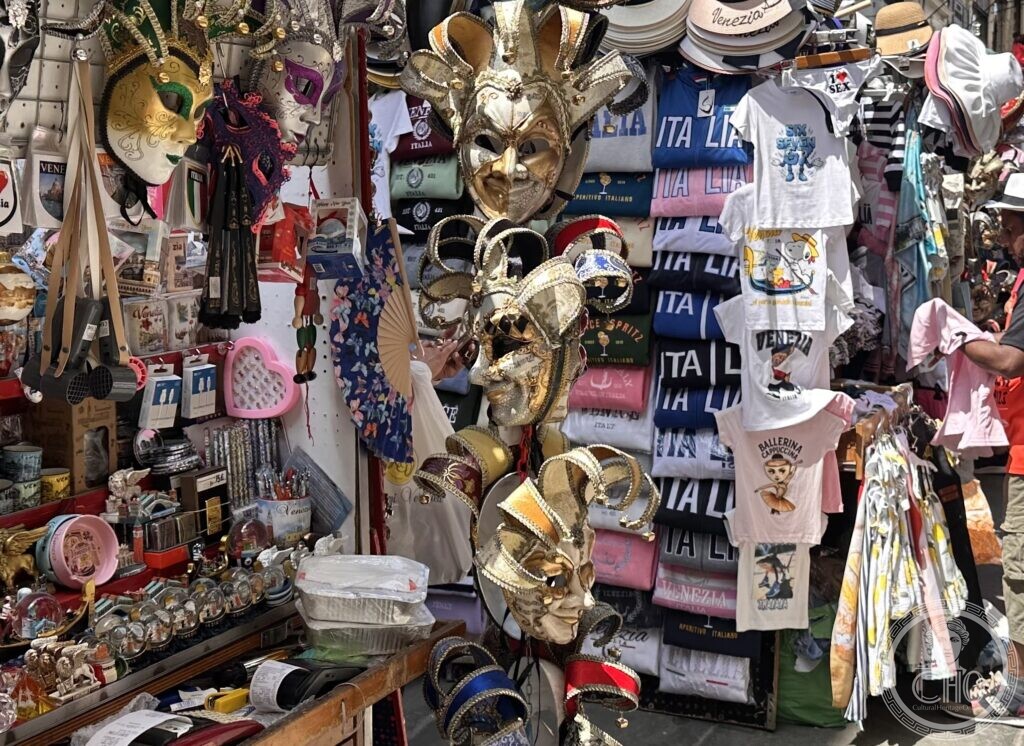
Selling souvenirs at Rialto has been forbidden since 2003 — and the stalls are still there. What the ban actually says, why Venetian glass is on the same list as plastic gondolas, and what is being lost at the other end of the counter.

UNESCO Heritage Sites Near Vat Phou, Laos

UNESCO Heritage Sites Near Vat Phou, Laos

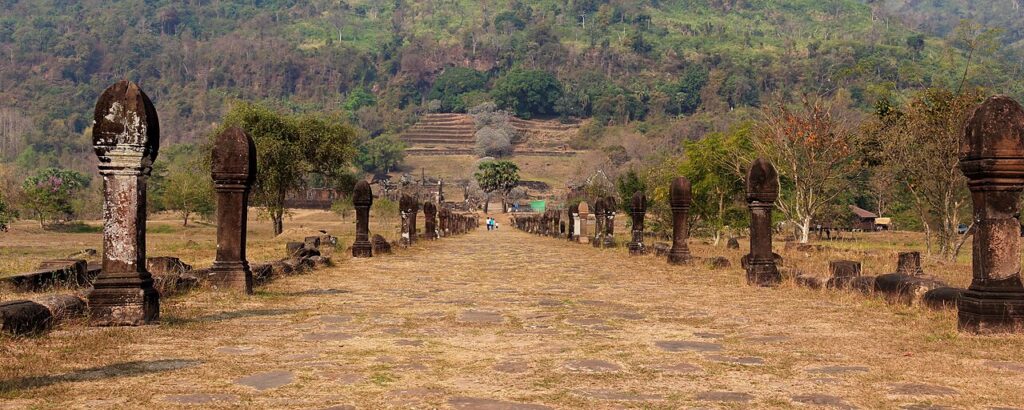
Vat Phou, on the slopes of sacred Phou Kao mountain in southern Laos, is one of the oldest surviving Khmer temple complexes — predating Angkor Wat by several centuries. Its UNESCO-inscribed cultural landscape encompasses a 6-kilometre ceremonial axis from the Mekong to the summit sanctuary, two ancient reservoirs, and the probable ruins of a 5th-century Chenla kingdom capital at the mountain’s base. It remains an active pilgrimage site, drawing thousands to the annual Makha Bucha festival each February.

UNESCO Heritage Sites Near Cahokia Mounds, Illinois

UNESCO Heritage Sites Near Cahokia Mounds, Illinois

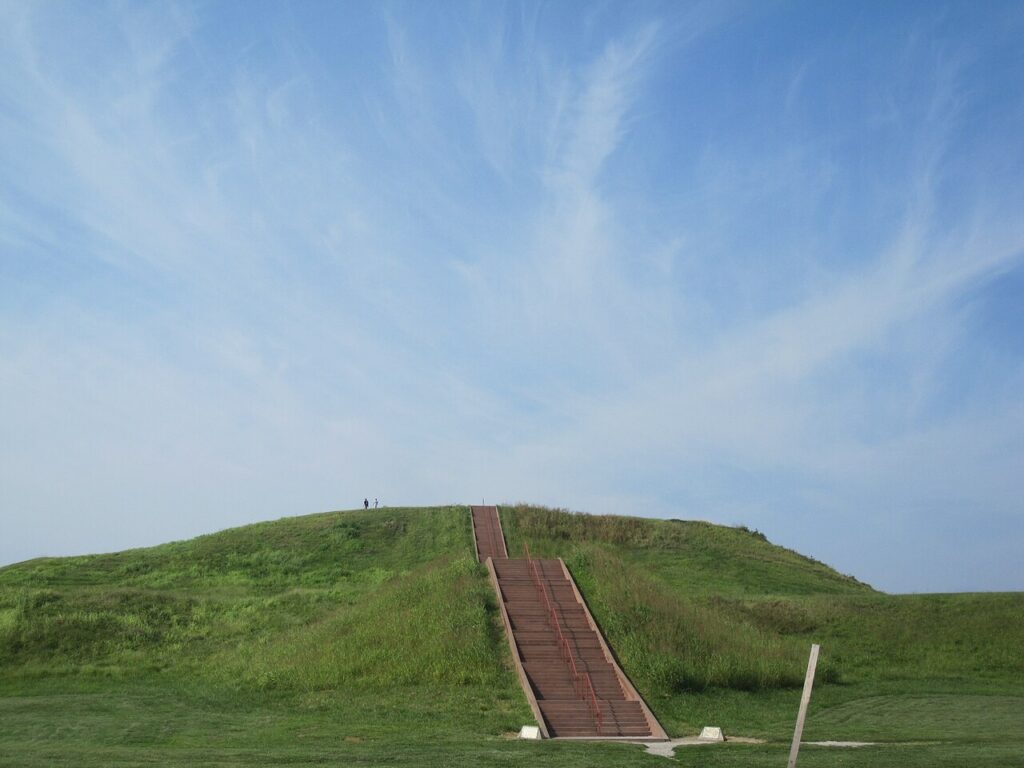
Cahokia, near Collinsville, Illinois, was the largest city in pre-Columbian North America, built by the Mississippian culture between 900 and 1200 CE with a central earthen mound larger in base area than the Great Pyramid of Giza. A UNESCO World Heritage Site since 1982, it includes Monks Mound, a reconstructed solar calendar (Woodhenge), and evidence of a complex society with long-distance trade, astronomical knowledge and monumental civic architecture — all created without metal tools or written records.

UNESCO Heritage Sites Near Monte Albán, Mexico

UNESCO Heritage Sites Near Monte Albán, Mexico

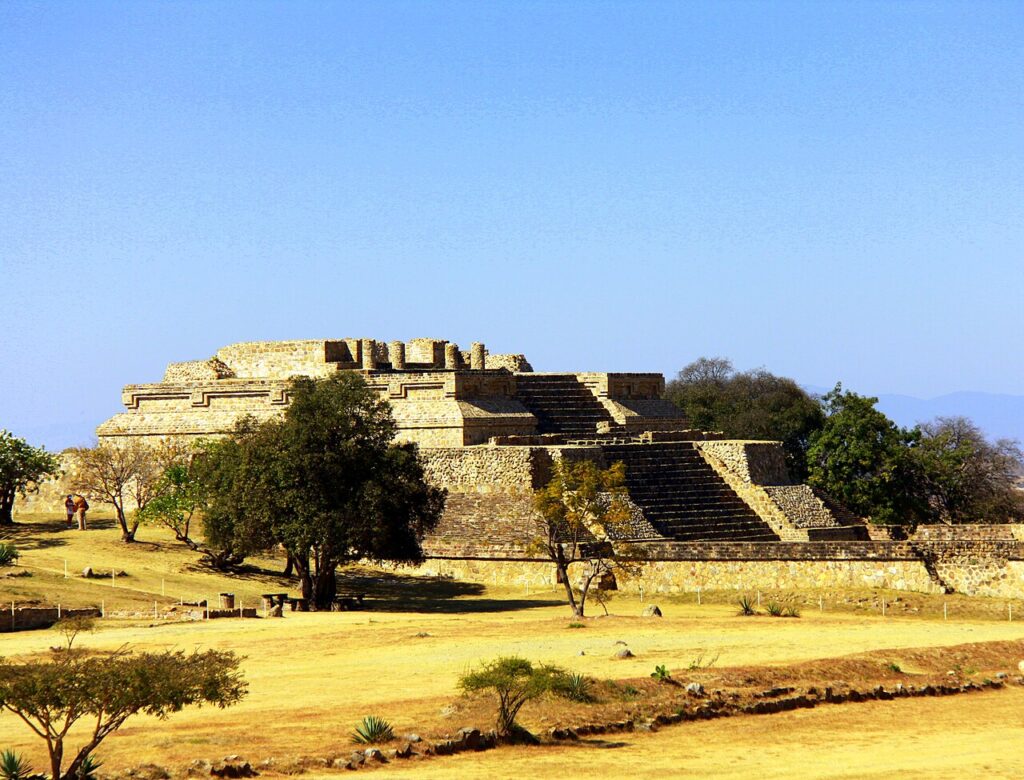
Monte Albán, perched on an artificially leveled mountaintop 400 metres above the Valley of Oaxaca, was the capital of the Zapotec civilisation from 500 BCE to 700 CE and one of the first cities in the Americas. Its Great Plaza, arrow-shaped Observatory, carved Danzante slabs and over 200 tomb chambers document a culture with writing, advanced astronomy and monumental architecture centuries before the better-known Aztec and Maya reached their peak.

UNESCO Heritage Sites Near Gyeongju, South Korea

UNESCO Heritage Sites Near Gyeongju, South Korea

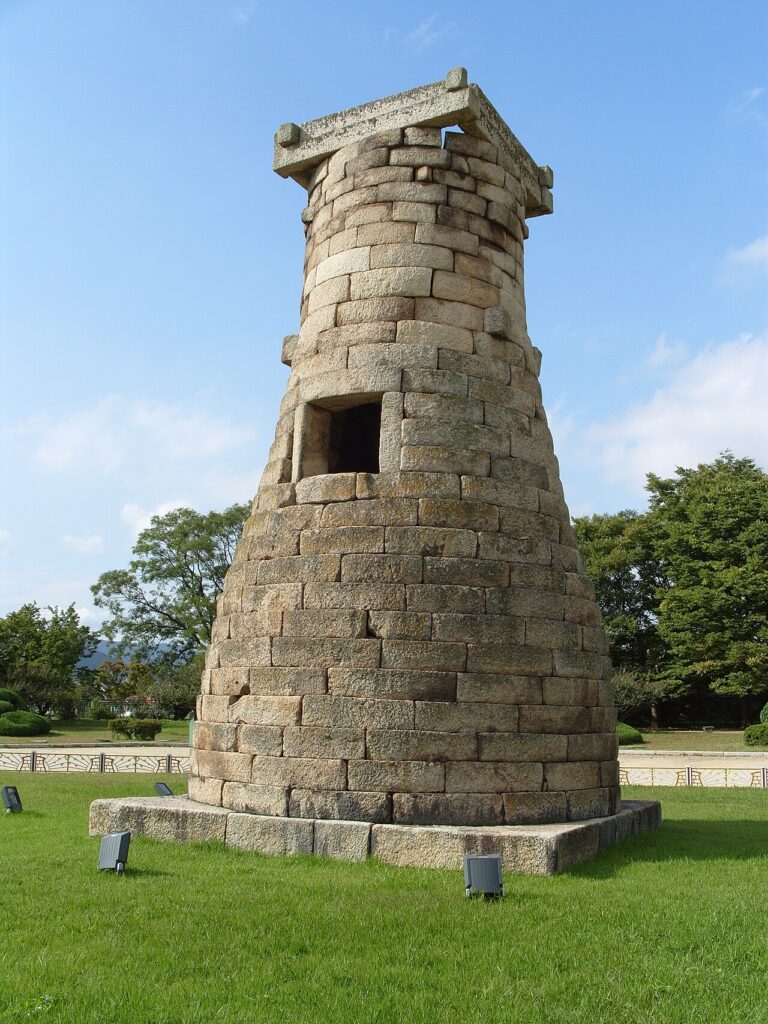
The Gyeongju Historic Areas preserve the capital of the Silla Kingdom across five distinct urban districts including royal burial mounds, an intact astronomical observatory from 632 CE and two of Korea’s finest Buddhist monuments at Bulguksa Temple and Seokguram Grotto. Reachable in two hours from Seoul by high-speed train, Gyeongju offers one of the most concentrated and varied UNESCO heritage experiences in East Asia.

Scroll to Top