Paola Bonometti
Content Editor

Paola Bonometti

Paola Bonometti is a volunteer with the ABCO association and still contributes to it today.

Contributions: 1,022 articles

Author name: Paola Bonometti

Paola Bonometti is a volunteer with the ABCO association and still contributes to it today.

UNESCO Heritage Sites Near Tsodilo, Botswana

UNESCO Heritage Sites Near Tsodilo, Botswana

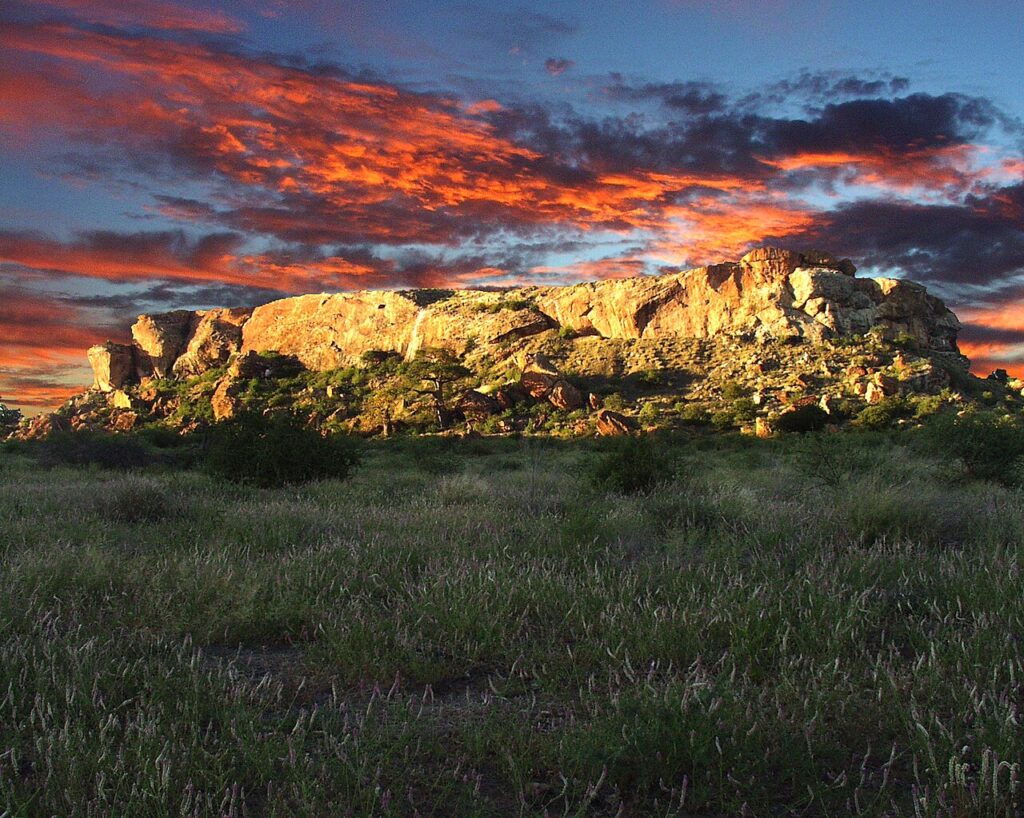
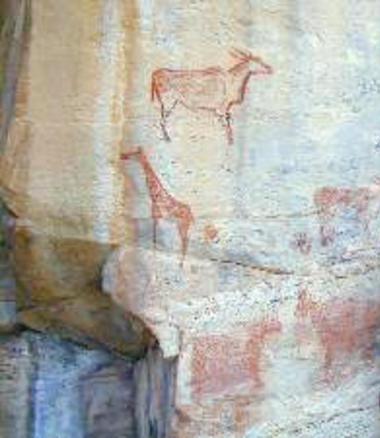
Tsodilo in Botswana is a group of four quartzite hills bearing more than 4,500 San rock paintings made over approximately 24,000 years — the highest concentration of rock art per square kilometre in the world, and one of the most sacred places in San cosmology. Remote, rarely visited, and extraordinary in scale and depth, it was inscribed by UNESCO in 2001.
UNESCO Heritage Sites Near Bandiagara Escarpment, Mali

UNESCO Heritage Sites Near Bandiagara Escarpment, Mali

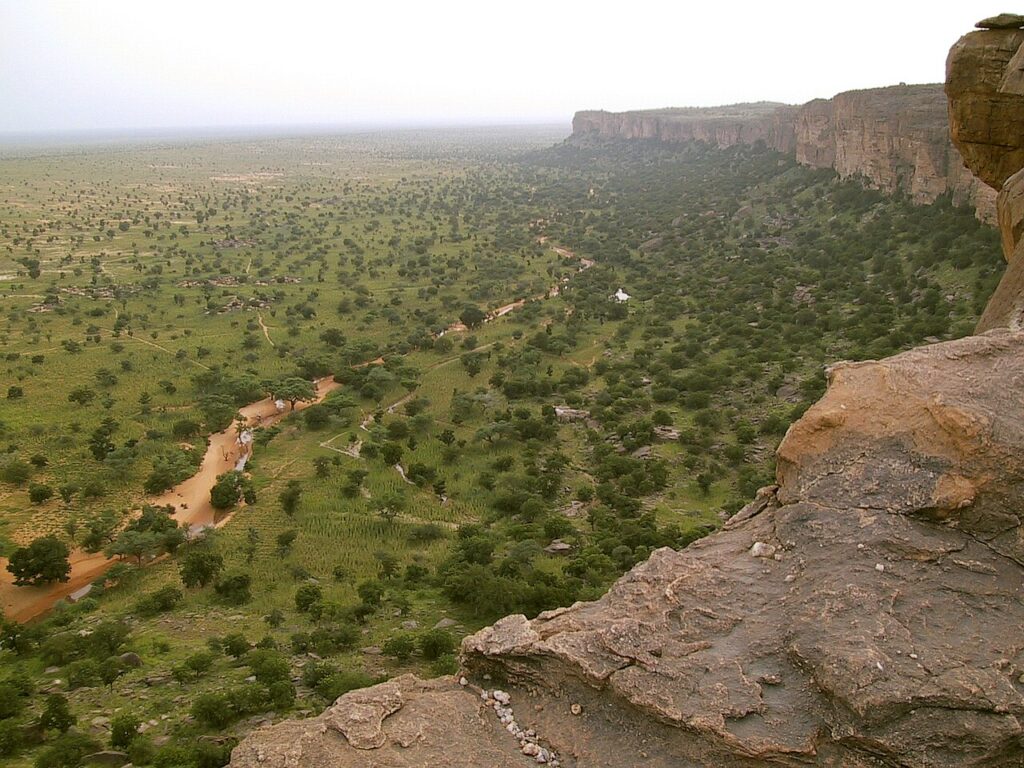
The Bandiagara Escarpment in Mali is a 150-kilometre sandstone cliff where Dogon communities have lived for more than 700 years, preserving one of Africa’s most complex cosmological traditions and most distinctive architectural landscapes. A UNESCO World Heritage Site since 1989, it has been listed as in Danger since 2023 due to regional insecurity in the Sahel.

UNESCO Heritage Sites Near Thimlich Ohinga, Kenya

UNESCO Heritage Sites Near Thimlich Ohinga, Kenya

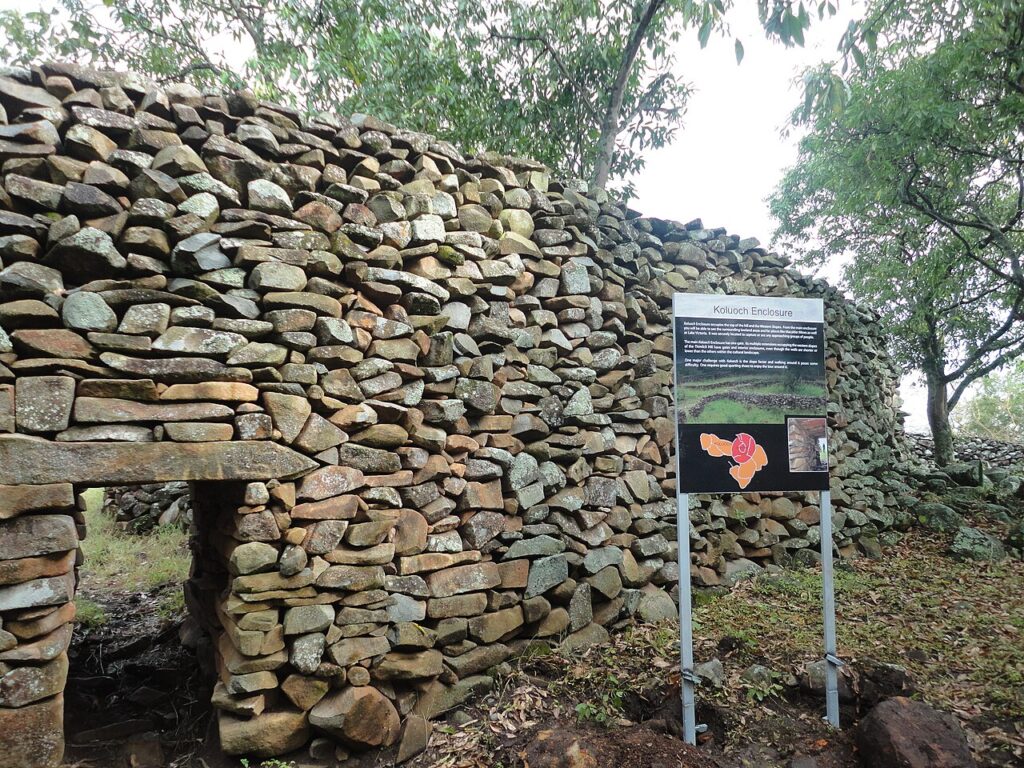
Thimlich Ohinga in Migori County, western Kenya, is the largest and best-preserved dry-stone enclosure of the ohinga tradition built by Iron Age Luo-ancestral communities around Lake Victoria from approximately 1500 CE. Its concentric granite walls — up to 4 metres high and 1.4 metres thick, built without mortar — enclosed a socially stratified settlement inhabited continuously for roughly 450 years. UNESCO inscribed it in 2018 as Kenya’s seventh World Heritage Site.

UNESCO Heritage Sites Near Mapungubwe, South Africa

UNESCO Heritage Sites Near Mapungubwe, South Africa

Mapungubwe Cultural Landscape in South Africa’s Limpopo Province preserves the capital of southern Africa’s first hierarchically organized Bantu-speaking kingdom (c. 1000–1290 CE), which grew wealthy controlling the ivory and gold trade to the Indian Ocean. The hilltop royal graves yielded the Golden Rhinoceros — gold foil over carved wood — the earliest evidence of sophisticated gold working in the region. UNESCO inscribed the site in 2003.

UNESCO Heritage Sites Near Kondoa Rock Art, Tanzania

UNESCO Heritage Sites Near Kondoa Rock Art, Tanzania

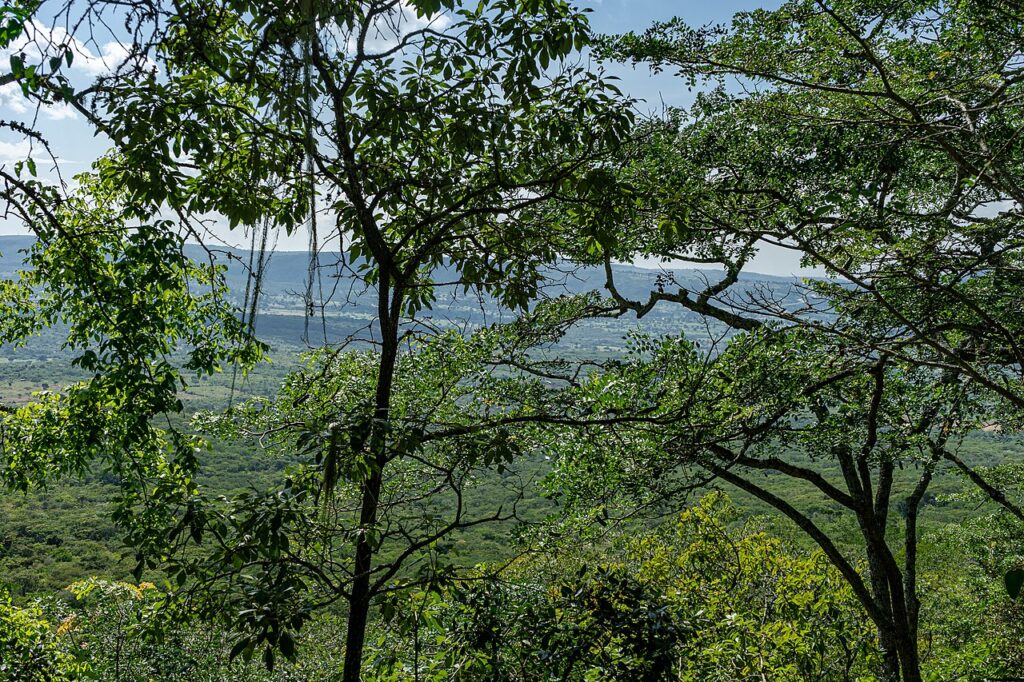
The Kondoa Rock Art Sites in central Tanzania’s Dodoma Region contain more than 150 painted rock shelters spanning at least 19,000 years of continuous artistic tradition, from late Pleistocene hunter-gatherer imagery through Iron Age pastoral scenes. UNESCO inscribed the 2,336 km² landscape in 2006, recognizing both its archaeological depth and its living sacred significance for the Hadza and Sandawe peoples whose ancestors created the paintings.

UNESCO Heritage Sites Near Koutammakou, Togo

UNESCO Heritage Sites Near Koutammakou, Togo

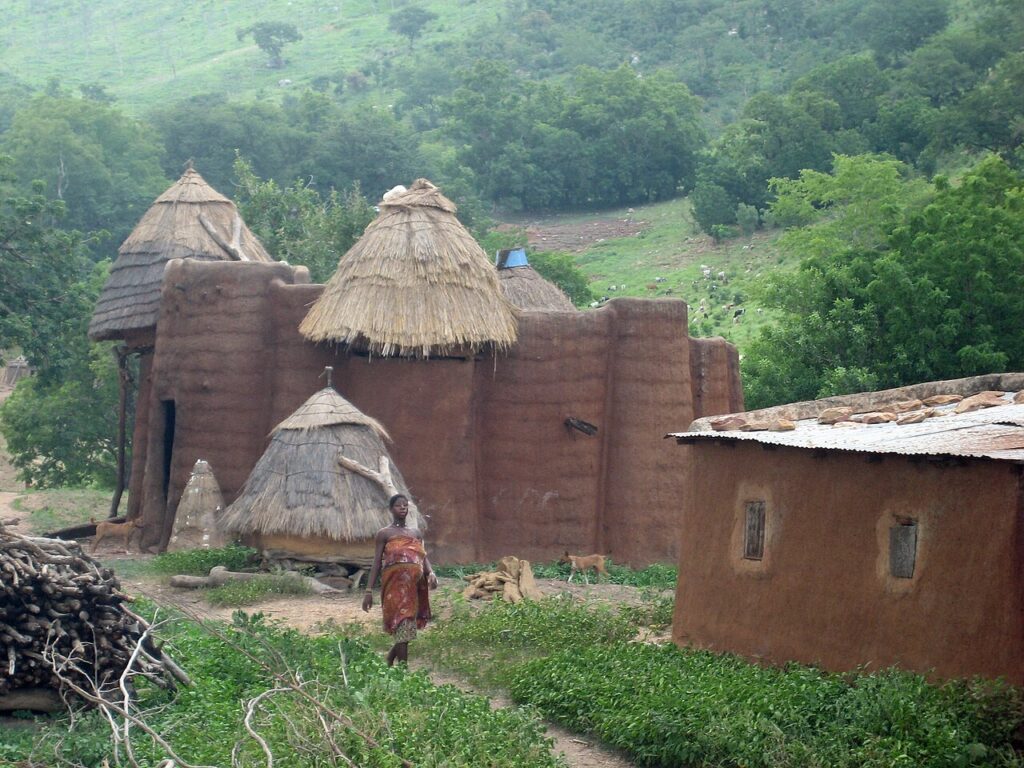
Koutammakou in northeastern Togo is a UNESCO-inscribed living cultural landscape (2004) where the Batammariba people continue to build and inhabit the Takienta — fortified two-storey earthen tower houses designed to represent the human body and resist armed attack. The 50,000-hectare protected area includes not only the architecture but the sacred forests, shrines and animist traditions that give it meaning, making it one of the most complete examples of a living earthen architecture tradition in West Africa.

UNESCO Heritage Sites Near Wadi Al-Hitan, Egypt

UNESCO Heritage Sites Near Wadi Al-Hitan, Egypt

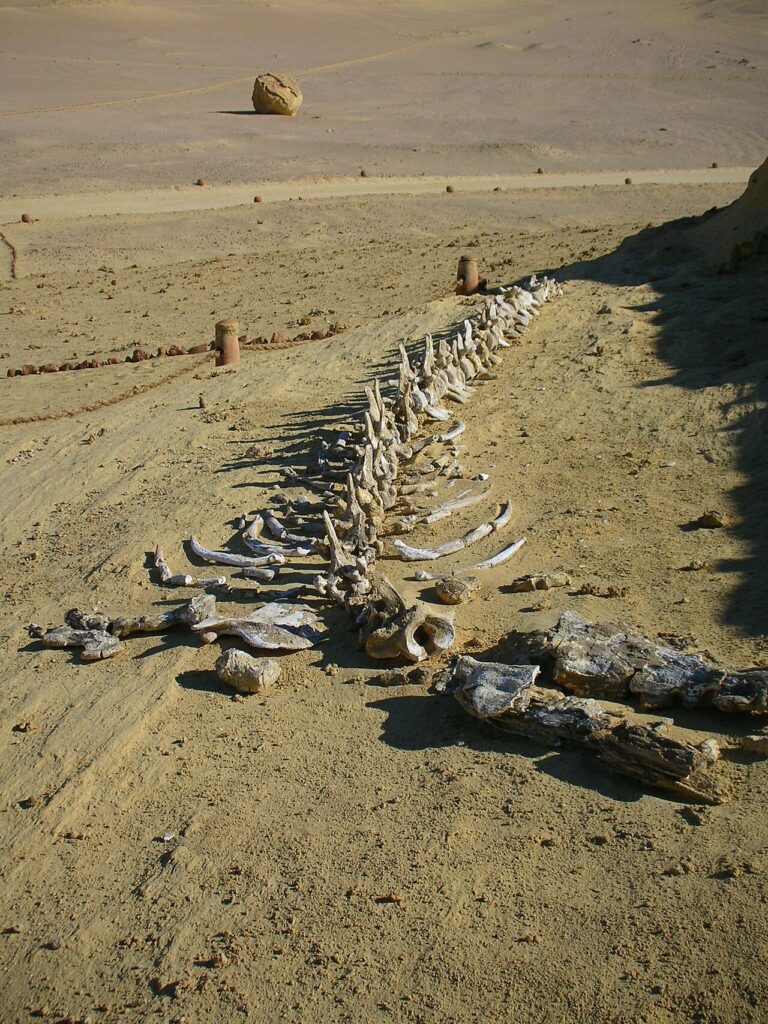
Wadi Al-Hitan (Whale Valley), a UNESCO Natural World Heritage Site in Egypt’s Western Desert, contains the world’s most important concentration of Eocene whale fossils, including skeletons of Basilosaurus isis with preserved vestigial hind limbs — the clearest fossil evidence of the evolutionary transition from land mammals to fully marine cetaceans, dating from 40–34 million years ago.

UNESCO Heritage Sites Near Tassili n’Ajjer, Algeria

UNESCO Heritage Sites Near Tassili n’Ajjer, Algeria

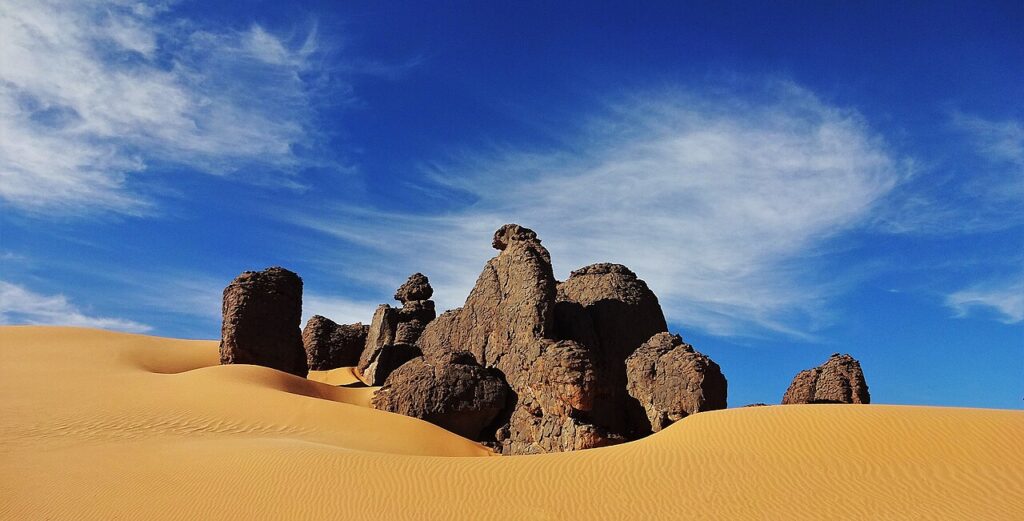
Tassili n’Ajjer, a 72,000 km² sandstone plateau in southeastern Algeria, holds more than 15,000 prehistoric rock paintings and engravings spanning from c. 10,000 BCE to the historical period — the most comprehensive visual record of the Sahara’s transformation from fertile savanna to desert. A mixed UNESCO World Heritage Site since 1982, it is accessible exclusively through licensed Tuareg guides based in Djanet oasis.

UNESCO Heritage Sites Near Bisotun, Iran

UNESCO Heritage Sites Near Bisotun, Iran

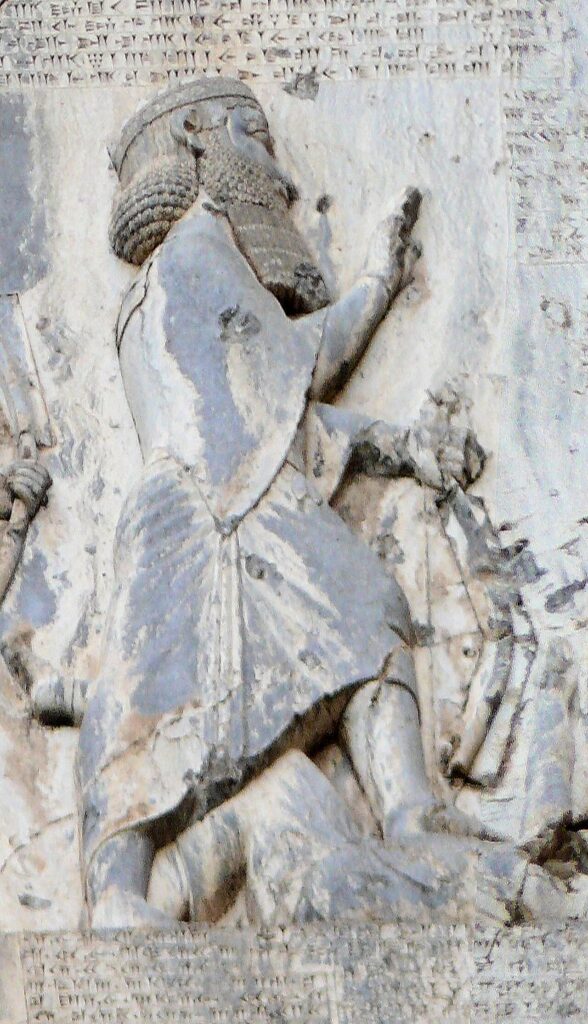
Bisotun (UNESCO 2006) in Kermanshah Province, Iran, preserves the world’s largest rock relief and the most important multilingual inscription of antiquity — the Behistun Inscription of Darius I (521-520 BCE), carved in Old Persian, Elamite, and Babylonian cuneiform. When copied by Henry Rawlinson in 1835-1847, the trilingual text became the key to deciphering all Mesopotamian cuneiform scripts, unlocking more than 3,000 years of Sumerian, Akkadian, Babylonian, and Assyrian written records.

Jabal Al Qara Cave, Al-Ahsa, Saudi Arabia

UNESCO Heritage Sites Near Al-Ahsa Oasis, Saudi Arabia

Al-Ahsa, UNESCO-inscribed in 2018, is the world’s largest oasis — an 85-square-kilometre expanse of date palm groves in Saudi Arabia’s Eastern Province sustained by artesian springs active for over 6,000 years. The oasis produces roughly 20 percent of Saudi Arabia’s dates, including the prized Khalas and Ajwa varieties, and its urban core holds Ottoman-era monuments including the Ibrahim Palace, the Qaisariya Market, and the Al-Qarah Mountain cave system.

Scroll to Top