
Villas, Lakes and the Invention of Romantic Journeys
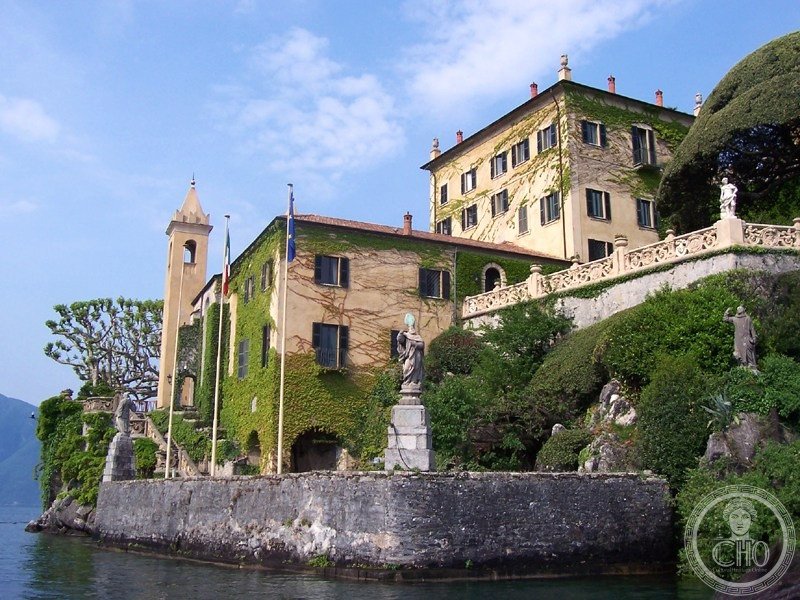
Villa del Balbianello, on the Dosso Lavedo promontory at Lenno, Lake Como. Photo via Wikimedia Commons. The villas in this

Villa del Balbianello, on the Dosso Lavedo promontory at Lenno, Lake Como. Photo via Wikimedia Commons. The villas in this
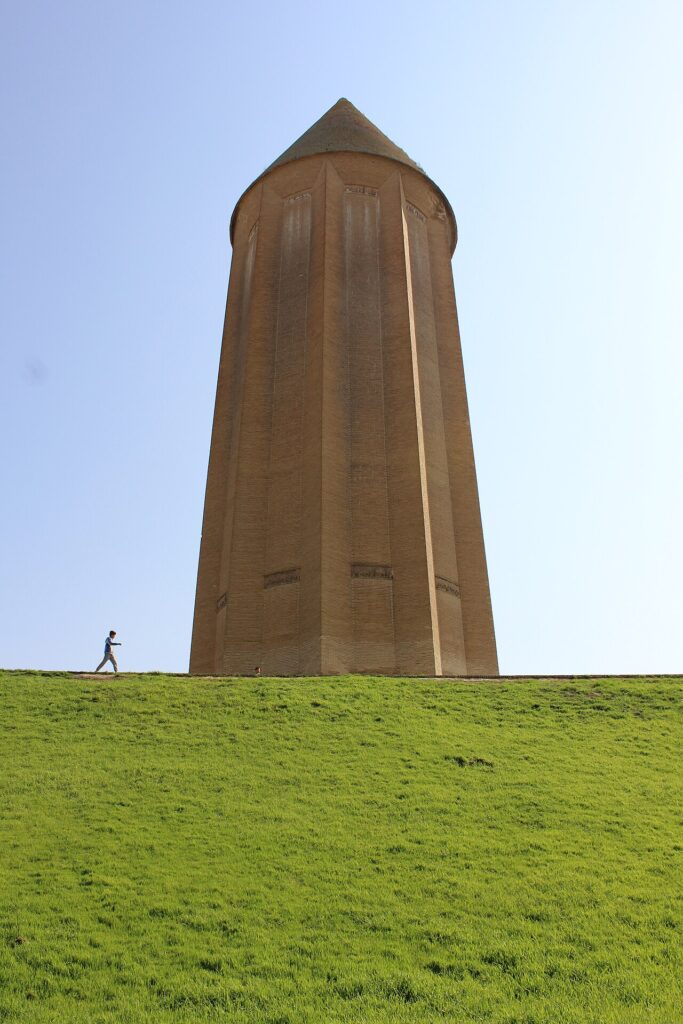
Gonbad-e Qabus is a 72-metre funerary tower built in 1006/1007 CE by the Ziyarid prince Qabus ibn Wushmgir in what is now Gorgan, northeastern Iran — the tallest pre-Mongol monument in Iran and a founding work of the Islamic brick-ornament tradition. The hollow cylinder of ten-buttressed undecorated brick carries only two Kufic inscription bands near its summit, recording the builder’s name and the date in both Solar and Islamic lunar calendars. UNESCO inscribed it in 2012.
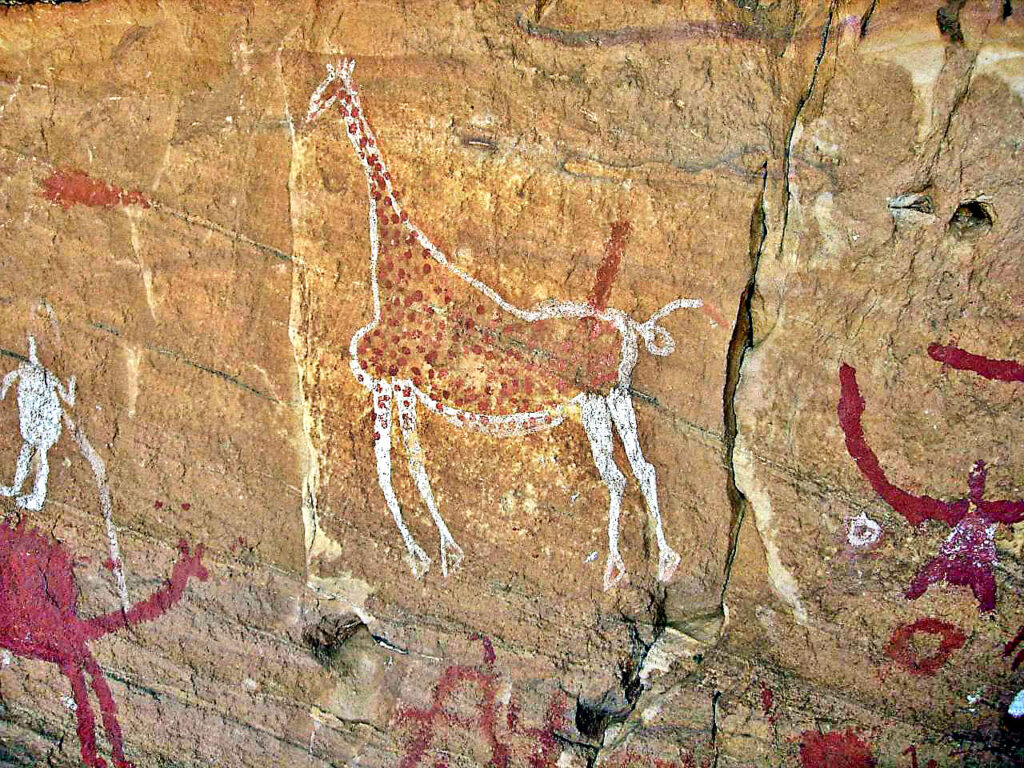
The Tadrart Acacus in southwestern Libya’s Fezzan desert holds thousands of rock paintings spanning approximately 14,000 years, documenting four successive cultural periods from the oldest large-figure art in North Africa through the Green Sahara pastoral era to the camel age. The paintings include hippopotamuses, crocodiles and fish painted on rock faces that today overlook bare desert, providing eyewitness evidence of the Sahara’s past as a habitable landscape. UNESCO inscribed the site in 1985; it has been on the World Heritage in Danger list since 2016 due to Libya’s armed conflict.
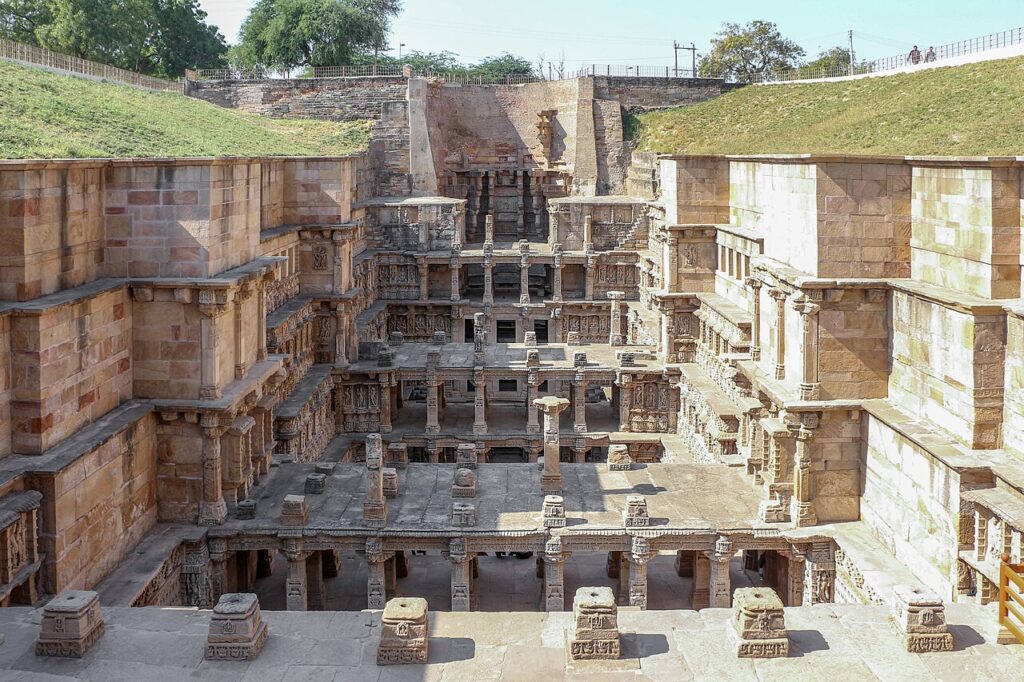
Rani-ki-Vav at Patan, Gujarat, is a 65-metre, seven-level subterranean stepwell built around 1063 CE by Queen Udayamati to commemorate her husband, King Bhimadeva I of the Solanki dynasty. Over 500 large sculptures — primarily Vaishnava avatars and Apsaras — cover its colonnaded galleries, preserved in exceptional detail because the structure was buried under flood silt for several centuries. UNESCO inscribed it in 2014 as the pre-eminent example of stepwell architecture on the Indian subcontinent.
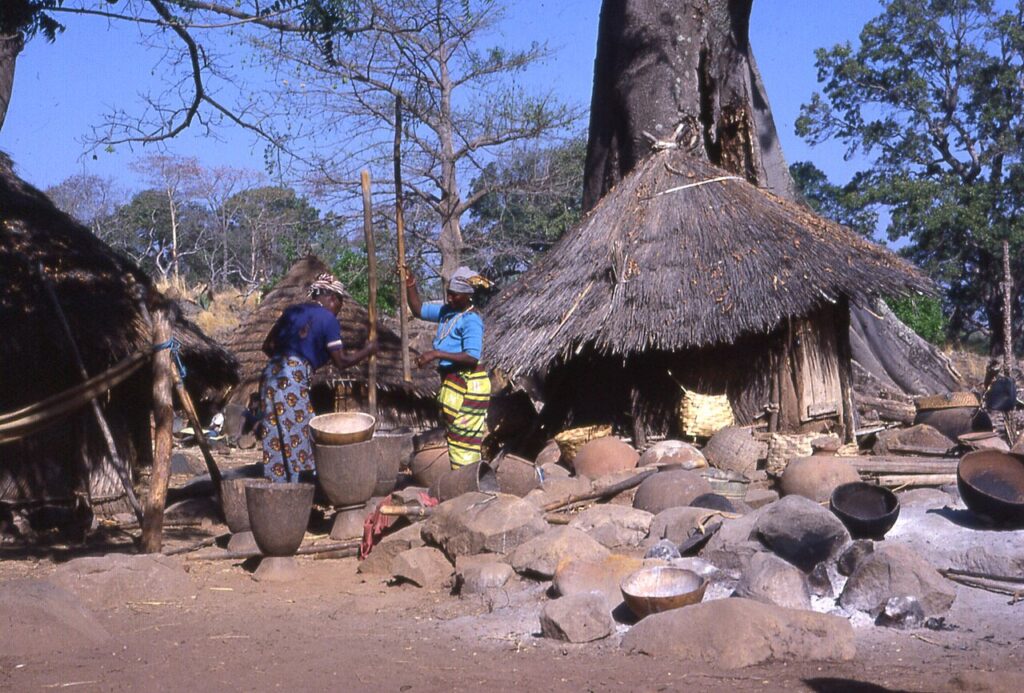
Bassari Country in southeastern Senegal — inscribed by UNESCO in 2012 as a Cultural Landscape — is home to three distinct peoples: the animist Bassari (c. 10,000) and Bedik (c. 3,000), and the Muslim Fula pastoralists, whose coexisting land-use systems and living initiation ceremonies have shaped the same forested hills for centuries. The nearest gateway is Kédougou, 700 km from Dakar, reachable by a weekly Air Senegal flight.
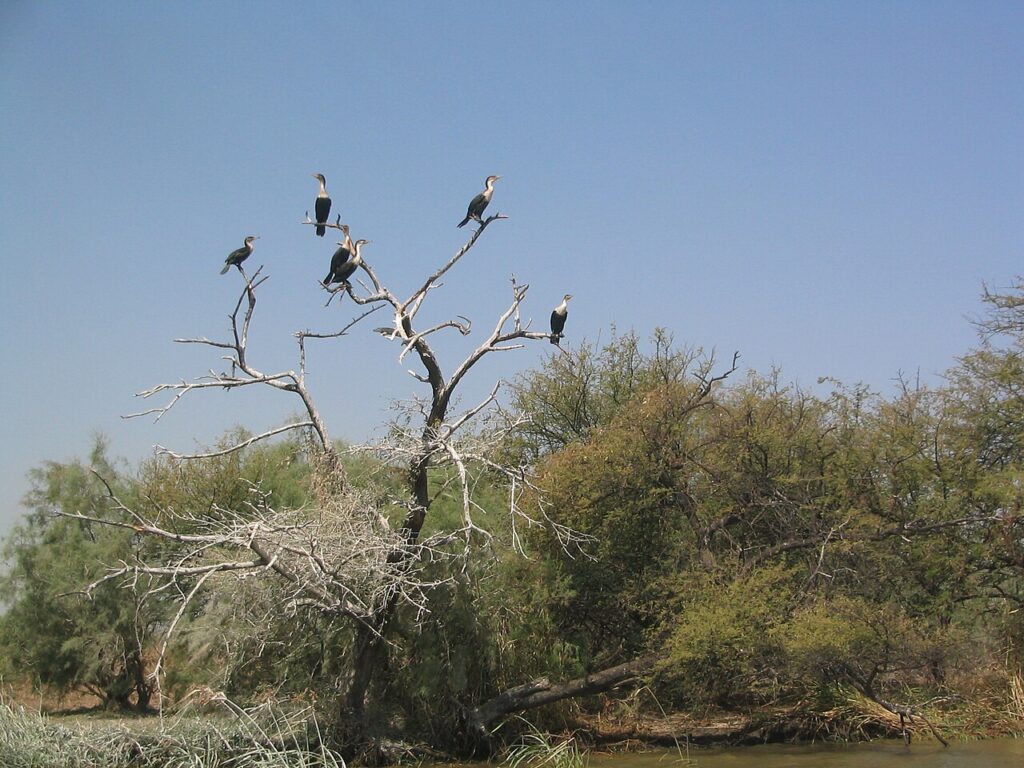
Djoudj National Bird Sanctuary in northwestern Senegal covers 16,000 hectares of Senegal River delta wetland at the Sahara-Sahel boundary, hosting 1.5 to 3 million migratory birds annually including a great white pelican colony of 10,000–15,000 breeding pairs — one of the world’s three largest. A UNESCO World Heritage Site since 1981, it was twice listed as In Danger due to invasive plant infestations subsequently brought under control, and is currently 60 kilometres northeast of Saint-Louis.
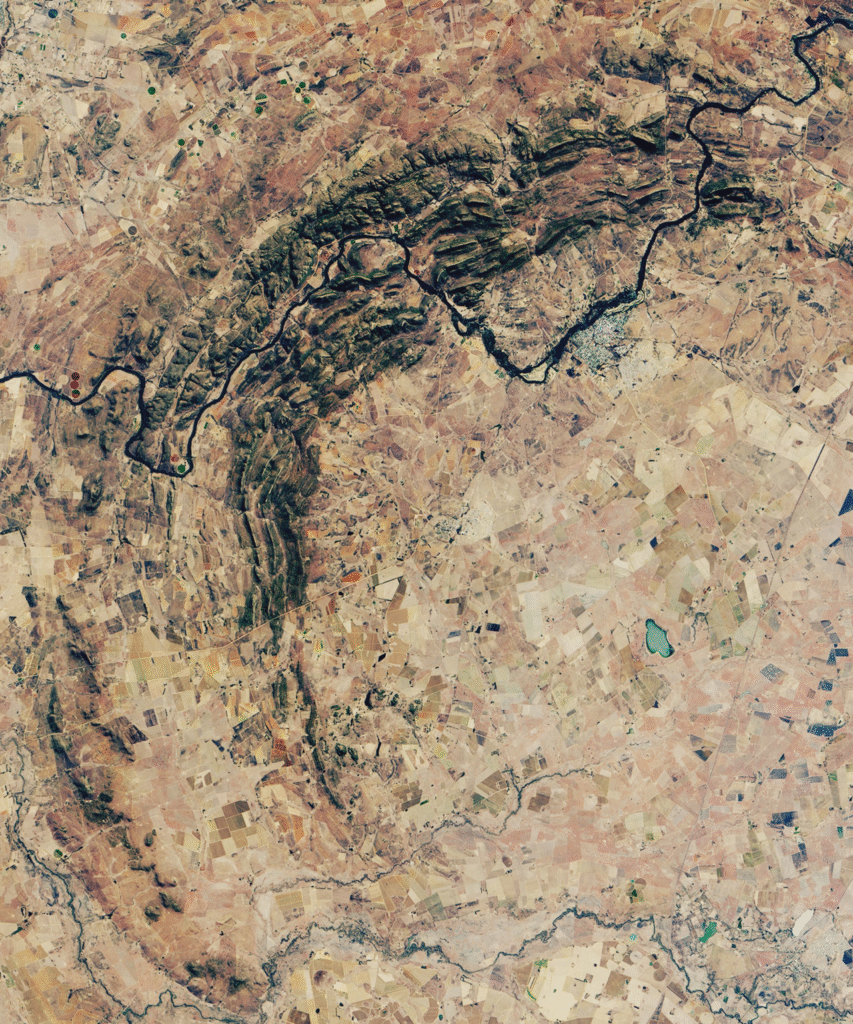
The Vredefort Dome in South Africa’s North West Province is the Earth’s largest and oldest confirmed meteorite impact structure, formed 2,023 million years ago and inscribed as a UNESCO World Heritage Site in 2005. Pseudotachylite veins and shatter cones in road cuts and outcrops record the physics of a 300-kilometre-wide catastrophe now eroded to a 40–50 km central dome, located 120 kilometres southwest of Johannesburg near the town of Parys.
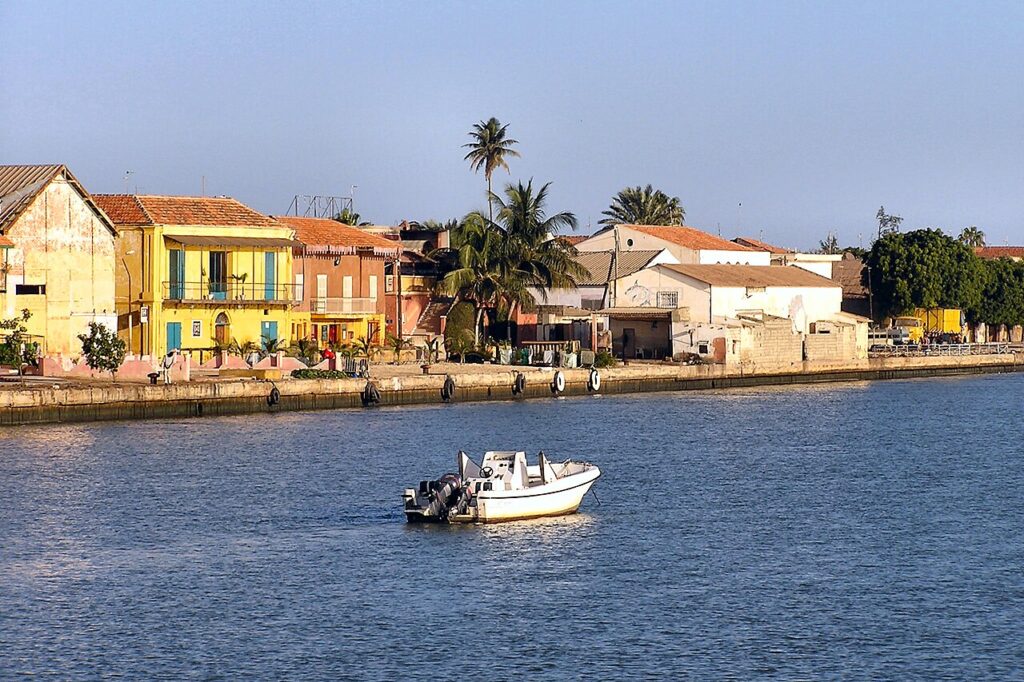
The Island of Saint-Louis — two kilometres long, four hundred metres wide, at the mouth of the Senegal River — was the first permanent French colonial settlement in sub-Saharan Africa and capital of French West Africa for over two centuries. Its arcaded colonial townhouses, built from the seventeenth century onward in a style that fuses French merchant architecture with tropical adaptation and North African ornamental craft, constitute one of the most complete historic urban ensembles on the continent. The island is inscribed on the UNESCO World Heritage List and, simultaneously, on the List of World Heritage in Danger — facing one of the most acute climate-driven displacement crises in the world.

The Lopé-Okanda mixed UNESCO site in Gabon combines one of Central Africa’s last intact forest-savanna mosaics with more than 1,800 ancient rock engravings left by early Bantu-speaking communities along the Ogooué River, creating an extraordinary superimposition of ecological and human history. Accessible by the Transgabonais Railway from Libreville, it offers gorilla tracking, mandrill supergroup sightings, and guided visits to the engraving sites.
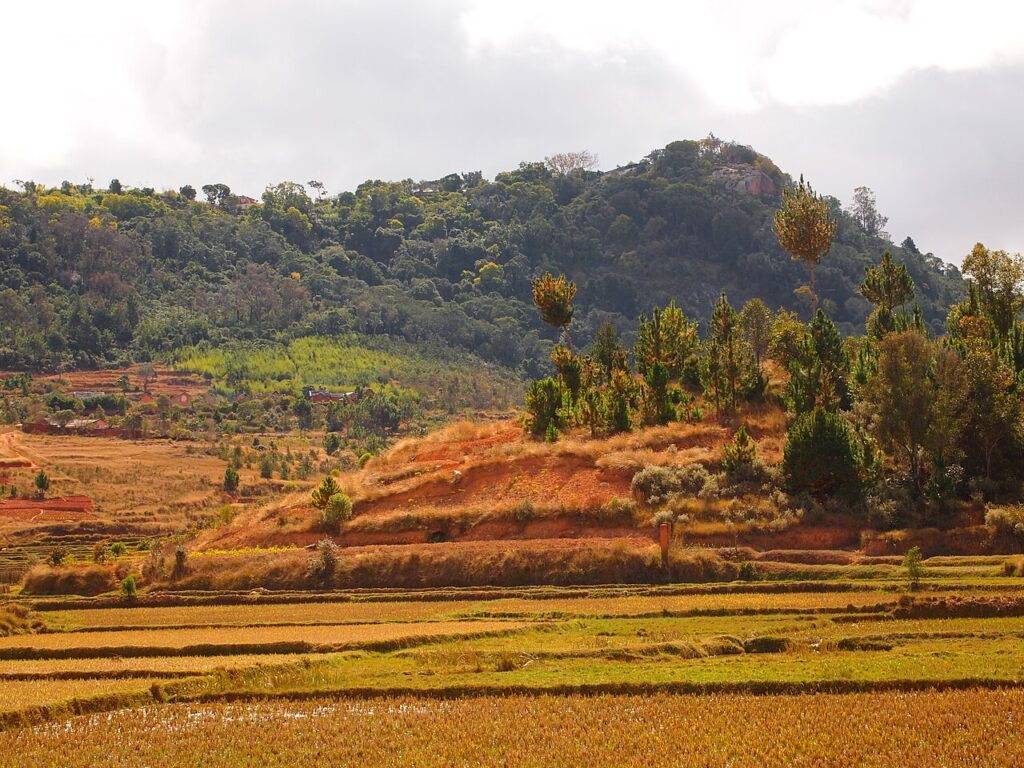
The Royal Hill of Ambohimanga in Madagascar’s central highlands is the most sacred site in the country — a forested hilltop enclosure where the palaces of the Merina kingdom’s greatest ruler stand alongside active ancestral shrines, and where pilgrims from across Madagascar and the diaspora continue to pray and leave offerings. UNESCO inscribed it in 2001 as Madagascar’s only cultural World Heritage Site.