Cultural Heritage Online
The editorial desk

Cultural Heritage Online

Contributions: 835 articles · 15,435 heritage places · 167 events · 50 itineraries · 4 road-books · 16,137 photographs

Author name: Cultural Heritage Online

UNESCO World Heritage Sites Near Nemrut Dağ: The 50-Metre Burial Mound of King Antiochus I, Colossal Stone Heads at 2,134 Metres and the Kingdom of Commagene

UNESCO World Heritage Sites Near Nemrut Dağ: The 50-Metre Burial Mound of King Antiochus I, Colossal Stone Heads at 2,134 Metres and the Kingdom of Commagene

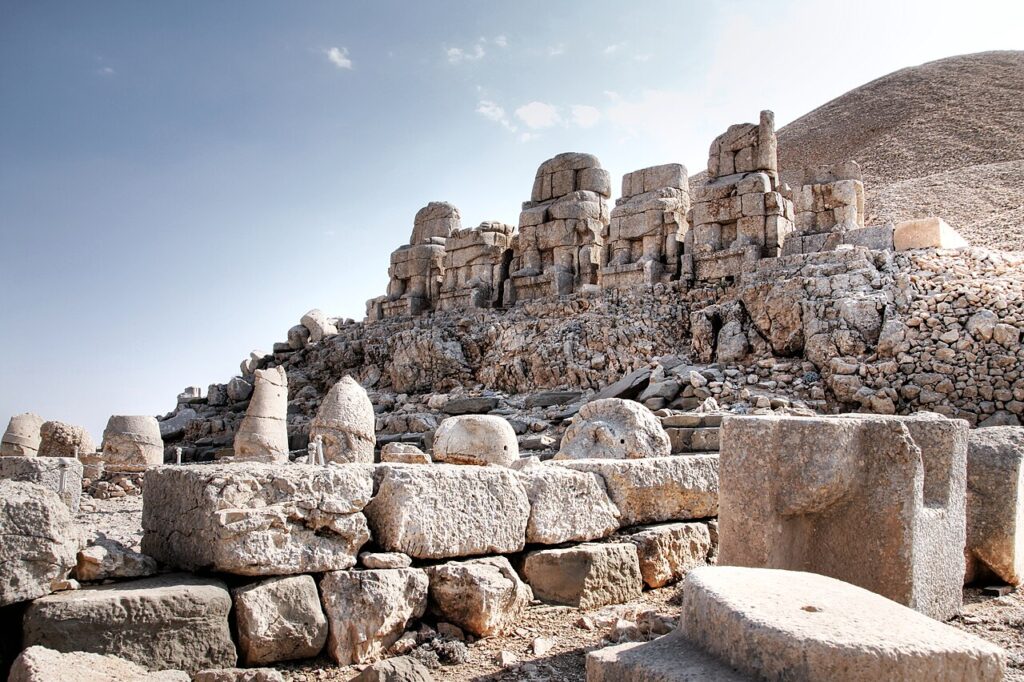
Nemrut Dağ, inscribed by UNESCO in 1987, holds the funerary monument built by King Antiochus I of Commagene (r. c. 69–36 BCE) on a 2,134 m summit in southeastern Turkey — a 50 m tumulus flanked by terraces of colossal limestone statues, 8–9 m tall, of the king enthroned alongside syncretised Greek-Persian deities; earthquakes have toppled all the statues and their giant heads now rest on the terrace floors.
UNESCO World Heritage Sites Near Hattusha: The Hittite Capital, the Lion Gate, the Treaty of Kadesh (1259 BCE) and the Yazılıkaya Rock Sanctuary

UNESCO World Heritage Sites Near Hattusha: The Hittite Capital, the Lion Gate, the Treaty of Kadesh (1259 BCE) and the Yazılıkaya Rock Sanctuary

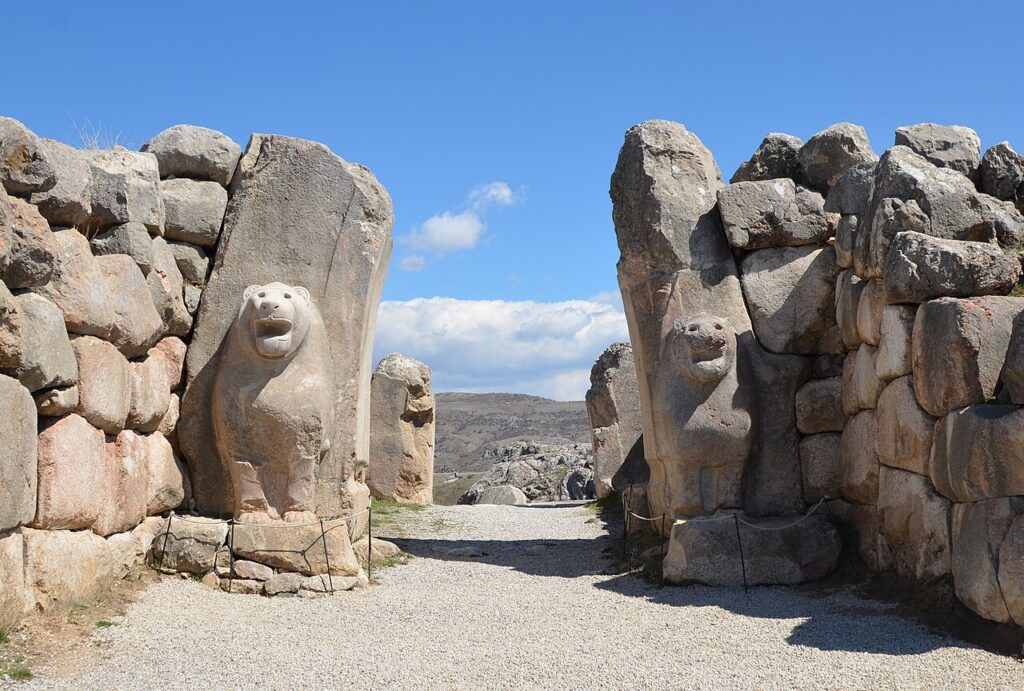
Hattusa, the Hittite capital inscribed by UNESCO in 1986, reached its peak in the 14th–13th centuries BCE as a city of 50,000 with 6–8 km of walls; its cuneiform archive produced the Treaty of Kadesh (1259 BCE), the world’s oldest surviving peace treaty, a copy of which hangs in the United Nations in New York. The rock sanctuary of Yazılıkaya, 1 km from the main site, preserves 63 carved relief figures of Hittite gods in the most complete divine procession known from the ancient world.

UNESCO World Heritage Sites Near Ani: The Abandoned Armenian Capital With 100,000 Inhabitants, the Cathedral Built by the Hagia Sophia’s Architect (989 CE)

UNESCO World Heritage Sites Near Ani: The Abandoned Armenian Capital With 100,000 Inhabitants, the Cathedral Built by the Hagia Sophia’s Architect (989 CE)

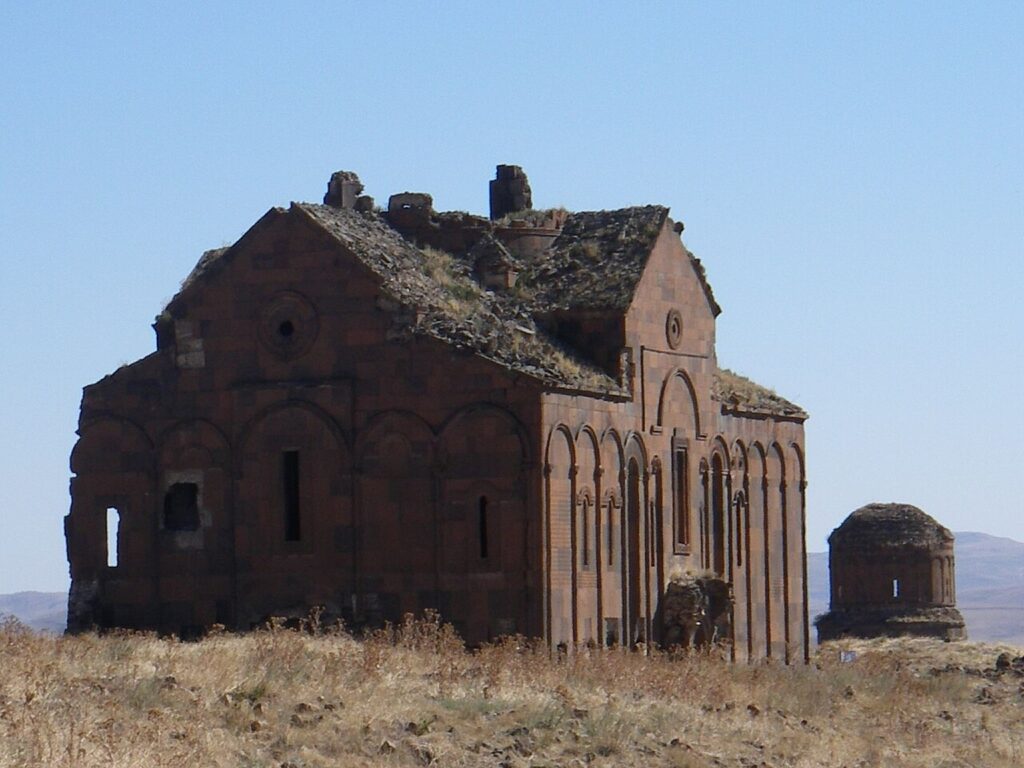
The Ruins of Ani (UNESCO 2016), located in Kars Province, eastern Turkey, preserve the medieval Armenian Bagratid capital founded in 961 CE — a city of up to 200,000 inhabitants at its peak, centered on the Cathedral of Ani (989–1001 CE) designed by the architect Trdat, who also repaired the dome of Hagia Sophia after the earthquake of 989 CE; the city was abandoned definitively after Mongol sackings and the earthquake of 1319 CE.

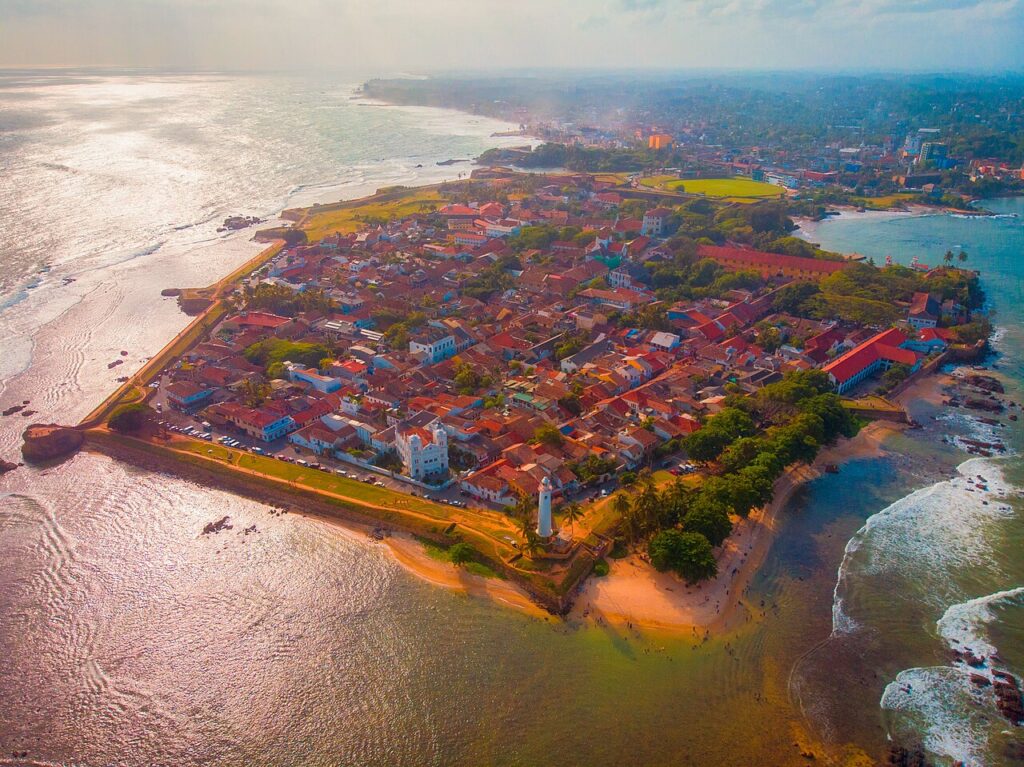
UNESCO World Heritage Sites Near Galle Fort: The Dutch Colonial Sea Fortress That Survived the 2004 Tsunami and 14 Intact Bastions on the Sri Lanka Coast

UNESCO World Heritage Sites Near Galle Fort: The Dutch Colonial Sea Fortress That Survived the 2004 Tsunami and 14 Intact Bastions on the Sri Lanka Coast

The Old Town of Galle and its Fortifications (UNESCO 1988) is the best-preserved European colonial sea fortress in South and Southeast Asia — a 90-hectare Dutch VOC walled town built in coral and granite after 1640 CE, enclosing 14 bastions, 2.5 km of ramparts, and the intact 17th-century street grid including the Groote Kerk (1755 CE), the oldest Protestant church still standing in Sri Lanka.

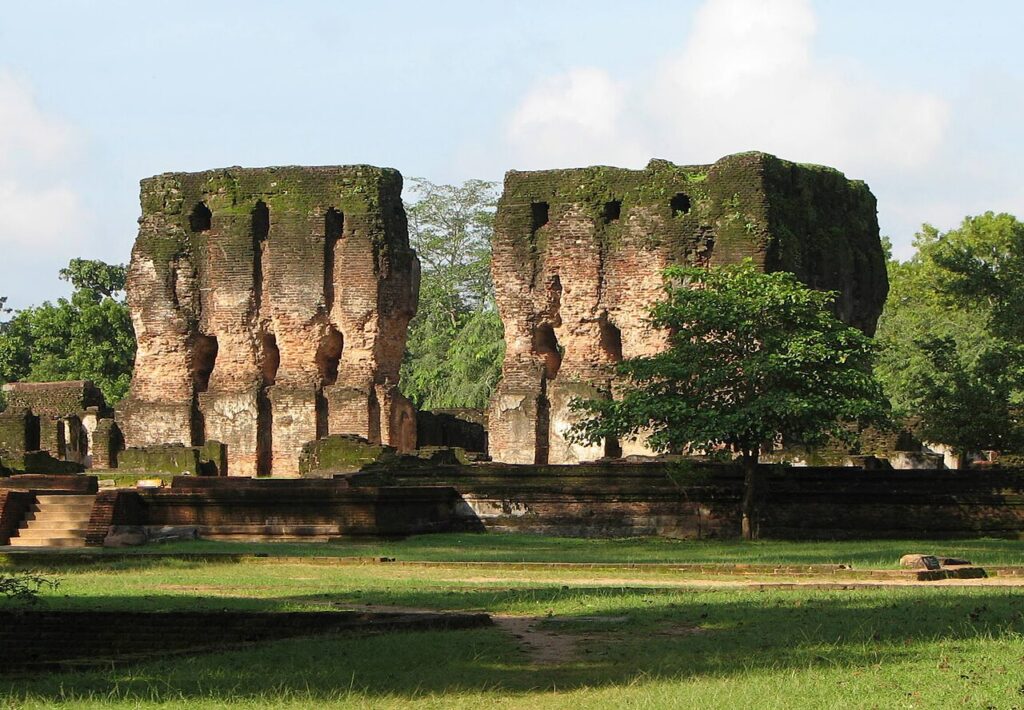
UNESCO World Heritage Sites Near Polonnaruwa: Gal Vihara’s Four Buddha Carvings, the Sea of Parakrama Reservoir and Sri Lanka’s Second Ancient Capital

UNESCO World Heritage Sites Near Polonnaruwa: Gal Vihara’s Four Buddha Carvings, the Sea of Parakrama Reservoir and Sri Lanka’s Second Ancient Capital

The Ancient City of Polonnaruwa (UNESCO 1982) served as Sri Lanka’s second capital from 1017 CE, reaching its zenith under Parakrama Bahu I (1153–1186 CE) who built the 8 km² Parakrama Samudra reservoir and commissioned the Gal Vihara rock-cut Buddhas — four colossal figures carved from a single granite outcrop, including a 15-metre reclining parinirvana image that remains one of the masterworks of South Asian sculpture.

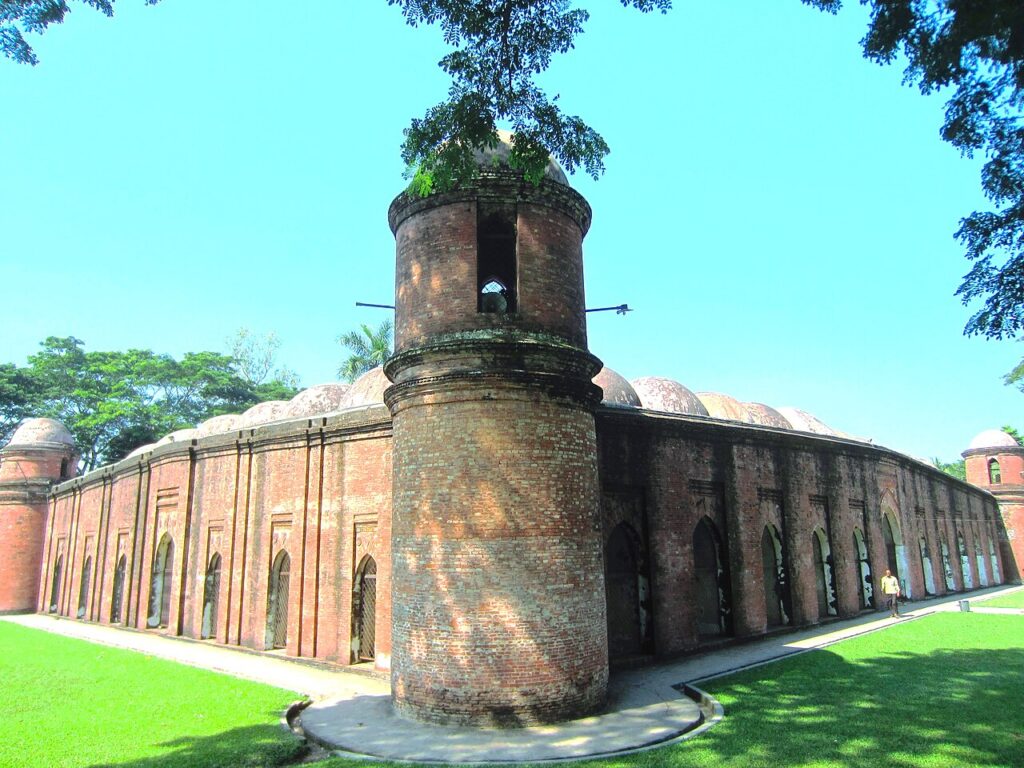
UNESCO World Heritage Sites Near Bagerhat: The Sixty Dome Mosque, 360 Medieval Mosques in the Sundarbans and the Sacred Crocodiles of Khan Jahan Ali

UNESCO World Heritage Sites Near Bagerhat: The Sixty Dome Mosque, 360 Medieval Mosques in the Sundarbans and the Sacred Crocodiles of Khan Jahan Ali

The Historic Mosque City of Bagerhat (UNESCO 1985) was founded around 1459 CE by Khan Jahan Ali as Khalifatabad in the Sundarbans delta of southwestern Bangladesh; its centrepiece, the Shat Gambuj Mosque, features 77 domes and 60 interior stone pillars, making it the largest medieval mosque in Bangladesh and a defining example of Bengali-Islamic brick architecture.

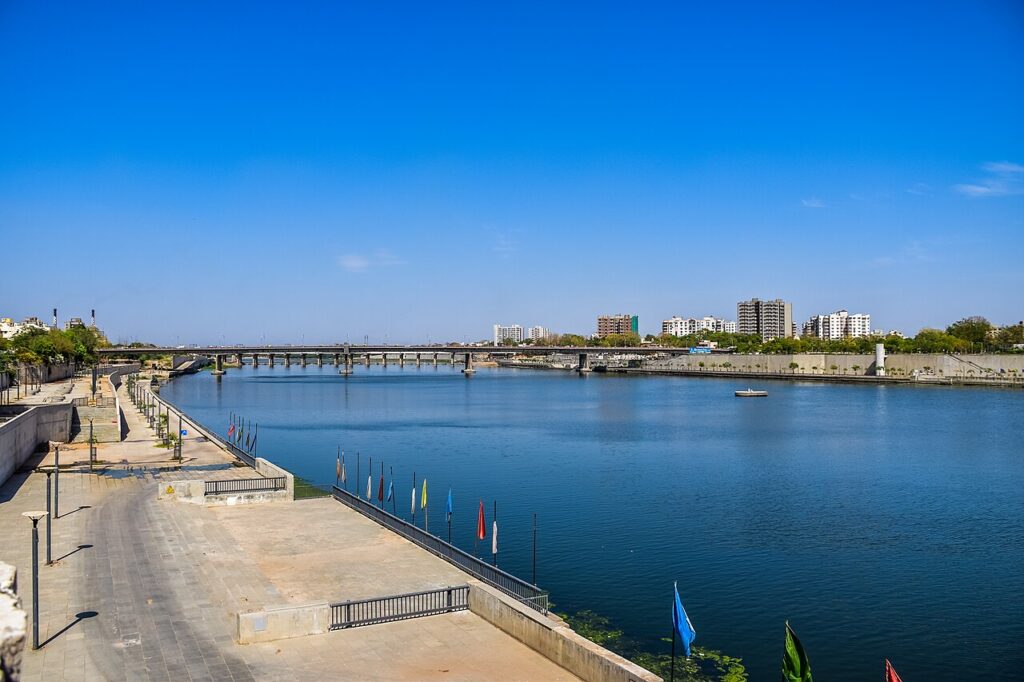
UNESCO World Heritage Sites Near Ahmedabad: India’s First Heritage City, the Sidi Saiyyed Jali, 600 Pols and Gandhi’s Salt March Departure Point

UNESCO World Heritage Sites Near Ahmedabad: India’s First Heritage City, the Sidi Saiyyed Jali, 600 Pols and Gandhi’s Salt March Departure Point

The Historic City of Ahmedabad (UNESCO 2017), founded in 1411 by Sultan Ahmad Shah I on the Sabarmati River in Gujarat, is India’s first UNESCO World Heritage City — a walled inner city of 600+ surviving pols (self-governing caste neighbourhood clusters), the 1424 Jama Masjid with 260 pillars, the 1573 Sidi Saiyyed Mosque with its celebrated Tree of Life stone lattice window, and the Sabarmati Ashram from which Gandhi departed on the Dandi Salt March on 12 March 1930.

UNESCO World Heritage Sites Near Dazu: 50,000 Tang-Song Rock Carvings, the 31-Metre Recumbent Buddha and the Baodingshan Horseshoe Cliff

UNESCO World Heritage Sites Near Dazu: 50,000 Tang-Song Rock Carvings, the 31-Metre Recumbent Buddha and the Baodingshan Horseshoe Cliff

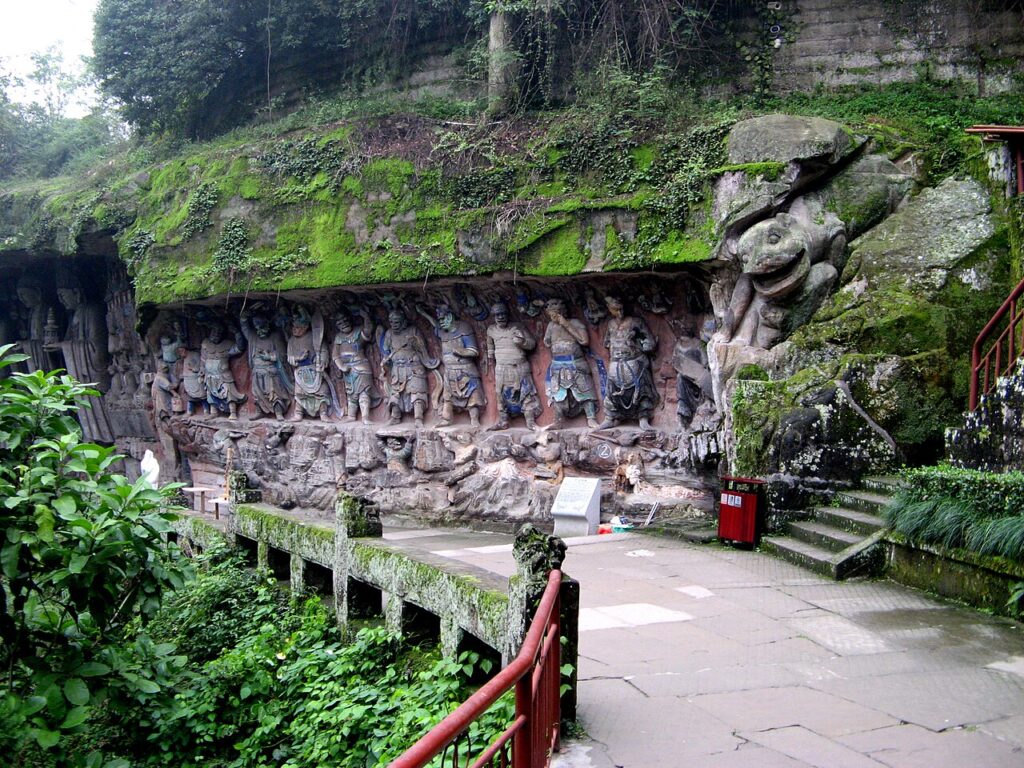
The Dazu Rock Carvings (UNESCO 1999), located 165 km west of Chongqing in Dazu County, comprise 50,000+ stone statues and 100,000 inscribed characters across 75 sites, carved between the late Tang and Southern Song dynasties (9th–13th centuries CE) — the only Chinese site integrating Buddhist, Taoist and Confucian iconography in a single programmatic scheme, culminating in Baodingshan’s 31-niche Great Buddha Bay, supervised over 70 years by the monk Zhao Zhifeng (1159–1249).

Neo-Renaissance facade of Palazzo Bagatti Valsecchi on Via Santo Spirito in Milan

Museo Bagatti Valsecchi, Milan

A house museum in the Montenapoleone district: the Neo-Renaissance home the brothers Fausto and Giuseppe Bagatti Valsecchi built and furnished in the late nineteenth century, open to the public since 1994.

Scroll to Top