Cultural Heritage Online
The editorial desk

Cultural Heritage Online

Contributions: 835 articles · 15,435 heritage places · 167 events · 50 itineraries · 4 road-books · 16,137 photographs

Author name: Cultural Heritage Online

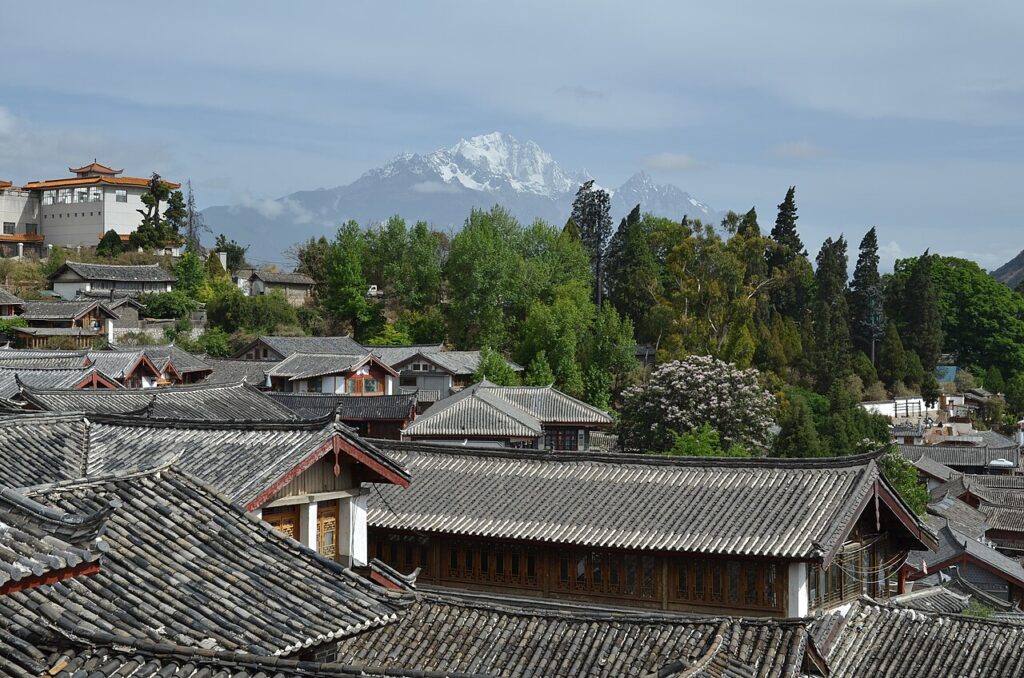
UNESCO World Heritage Sites Near Lijiang: The Naxi Capital Without Walls, the Dongba Pictographic Script and Jade Dragon Snow Mountain

UNESCO World Heritage Sites Near Lijiang: The Naxi Capital Without Walls, the Dongba Pictographic Script and Jade Dragon Snow Mountain

The Old Town of Lijiang (UNESCO 1997), capital of the Naxi people in northwestern Yunnan at 2,400m elevation, preserves a cobblestone canal town fusing Han, Tibetan and Bai architectural traditions, the Mu Fu palace of the Naxi hereditary chiefs, the Dongba pictographic script (the only hieroglyphic writing system still in ritual use worldwide), and the Naxi ancient music tradition — all set against the 14-peak Jade Dragon Snow Mountain massif rising to 5,596m.

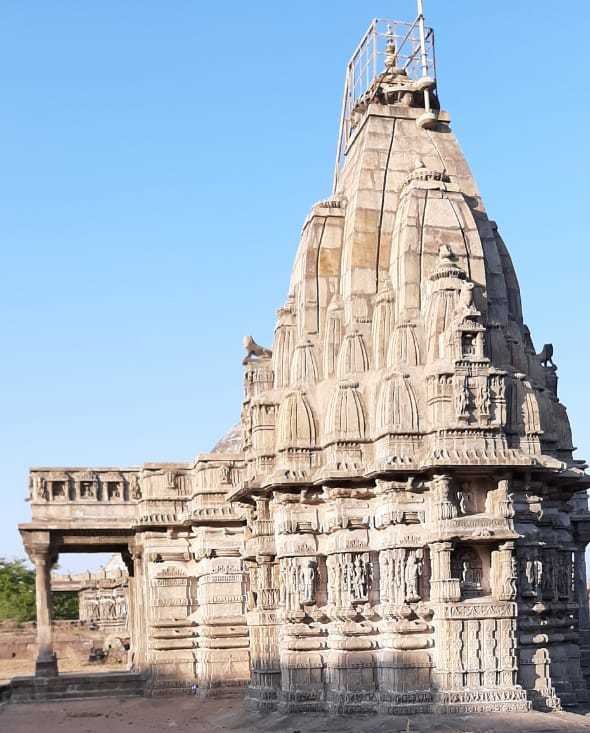
UNESCO World Heritage Sites Near Champaner-Pavagadh: The Pre-Mughal Sultanate Capital, the Jama Masjid and the Kalika Mata Pilgrimage Hill

UNESCO World Heritage Sites Near Champaner-Pavagadh: The Pre-Mughal Sultanate Capital, the Jama Masjid and the Kalika Mata Pilgrimage Hill

Champaner-Pavagadh Archaeological Park (UNESCO 2004) combines 239 monuments across 52 sq km in Gujarat: the 8th–14th century Hindu and Jain shrines on the 900m volcanic Pavagadh hill (with the active Kalika Mata Temple at its summit), and the abandoned 15th-century Gujarati Sultanate capital of Champaner — including the Jama Masjid (1523 CE, 172 pillars, 5 domes), the finest pre-Mughal mosque in India.

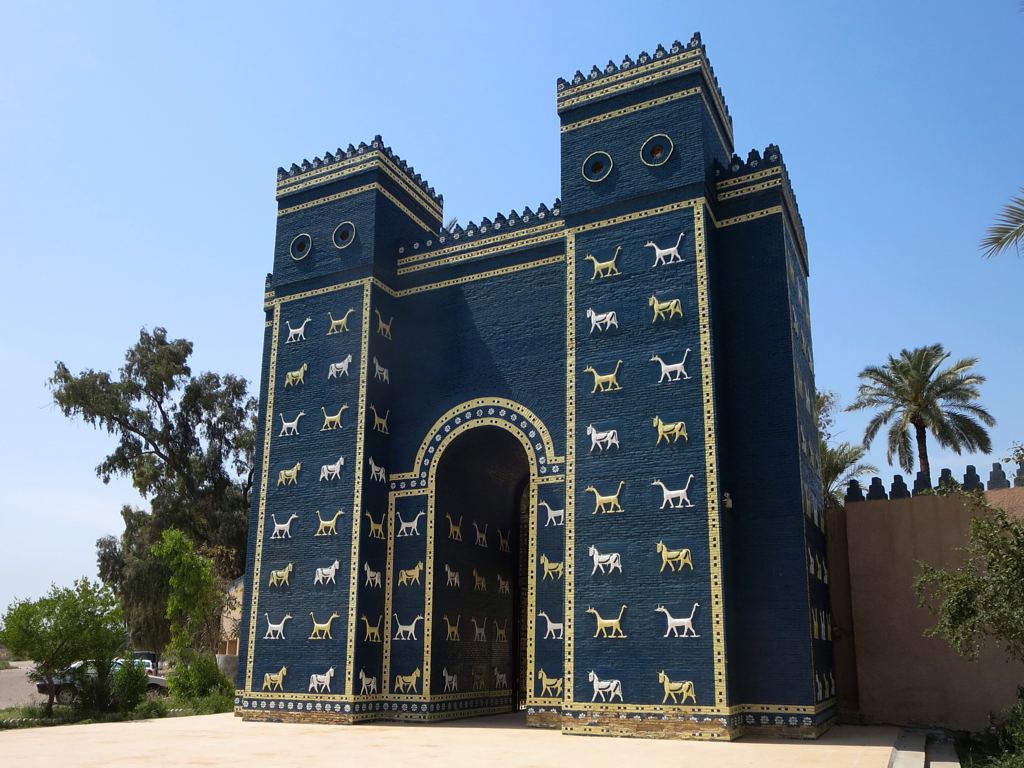
UNESCO World Heritage Sites Near Babylon: Nebuchadnezzar’s Ishtar Gate, the Tower of Babel and the City Where Alexander the Great Died on the Euphrates

UNESCO World Heritage Sites Near Babylon: Nebuchadnezzar’s Ishtar Gate, the Tower of Babel and the City Where Alexander the Great Died on the Euphrates

Babylon, on the Euphrates 85 km south of Baghdad, was the capital of Nebuchadnezzar II’s empire (605–562 BCE) — the site of the Ishtar Gate, the Processional Way, the Etemenanki ziggurat (“Tower of Babel”) and the supposed Hanging Gardens. Inscribed on the UNESCO World Heritage List and simultaneously placed on the Danger List in 2019, it was also where Alexander the Great died in 323 BCE. The original Ishtar Gate is in Berlin’s Pergamon Museum; the archaeological site is open near Hillah, Iraq.

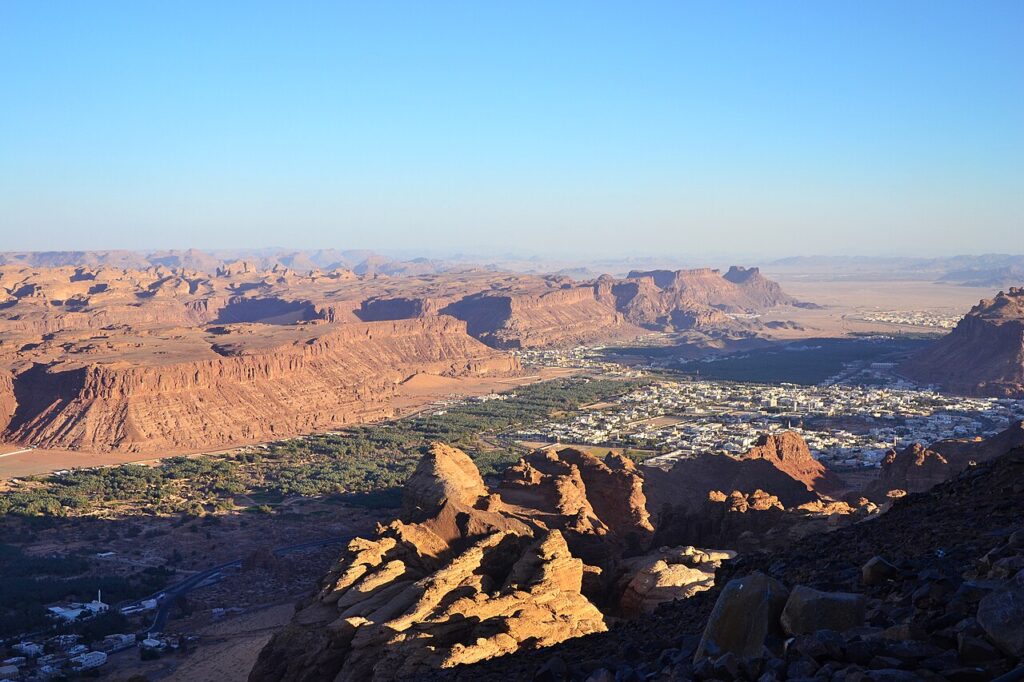
UNESCO World Heritage Sites Near Hegra: Saudi Arabia’s First World Heritage Site, the Nabataean Rock-Cut Tombs and the Ottoman Hejaz Railway at Al-Ula

UNESCO World Heritage Sites Near Hegra: Saudi Arabia’s First World Heritage Site, the Nabataean Rock-Cut Tombs and the Ottoman Hejaz Railway at Al-Ula

Hegra (al-Hijr / Madâin Sâlih), Saudi Arabia’s first UNESCO World Heritage Site (2008), preserves 131 Nabataean rock-cut monumental tombs from the 1st century BCE and 1st century CE — the southern extension of the same civilisation that built Petra, 300 km north. Located in Al-Ula, Hejaz, it also holds a remarkably intact Ottoman Hejaz Railway station (1908) and is now the centrepiece of Saudi Arabia’s most ambitious heritage tourism development under Vision 2030.

UNESCO World Heritage Sites Near Saint-Louis: The First Capital of Senegal, the Faidherbe Bridge and the Jazz Festival on the Senegal River

UNESCO World Heritage Sites Near Saint-Louis: The First Capital of Senegal, the Faidherbe Bridge and the Jazz Festival on the Senegal River

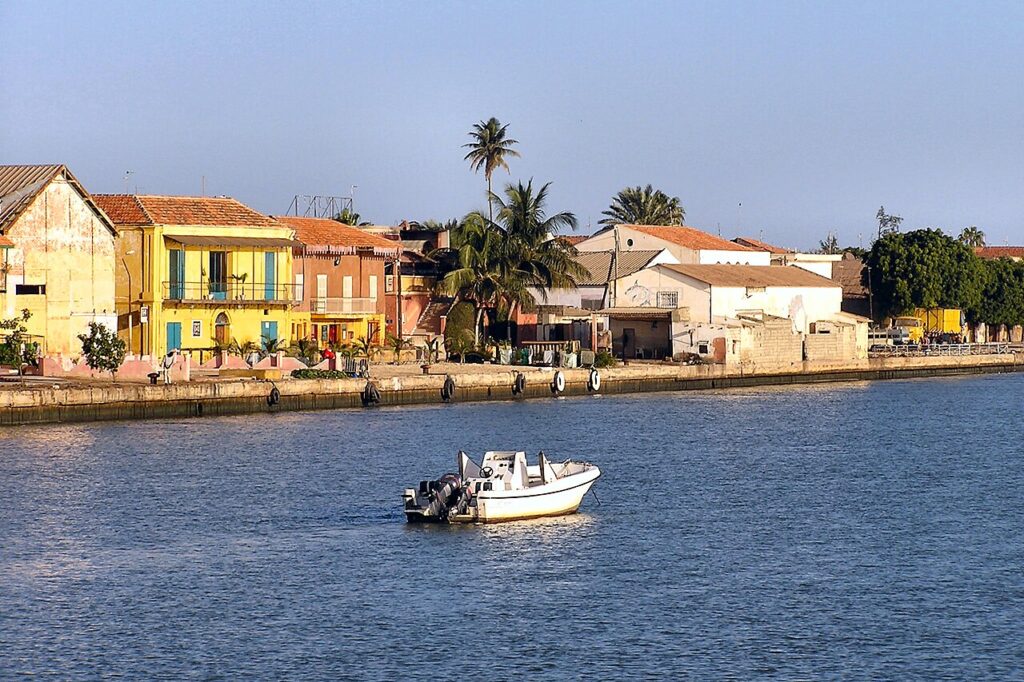
Saint-Louis, inscribed on the UNESCO World Heritage List in 2000, was founded in 1659 as the first French settlement in sub-Saharan West Africa and served as capital of both Senegal and French West Africa before losing both roles to Dakar in 1902 — a transfer that preserved its 19th-century Franco-Creole colonial island intact. The Faidherbe Bridge (1897), the signare townhouses and the annual June Jazz Festival make it one of West Africa’s most distinctive heritage and cultural destinations.

UNESCO World Heritage Sites Near Île de Gorée: The Maison des Esclaves, the Doorway of No Return and Five Centuries of Atlantic Memory off Dakar

UNESCO World Heritage Sites Near Île de Gorée: The Maison des Esclaves, the Doorway of No Return and Five Centuries of Atlantic Memory off Dakar

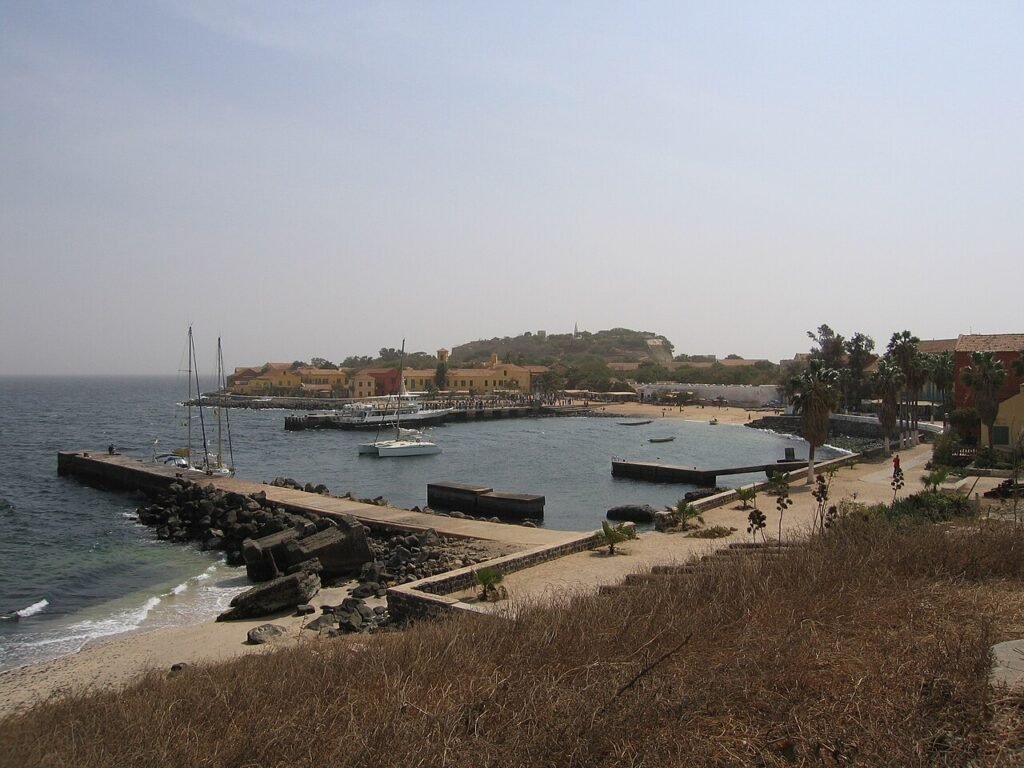
Île de Gorée, a 28-hectare car-free island two kilometres off Dakar, has been a Portuguese anchorage, Dutch fortification, French colonial town and — as one of West Africa’s major slave-trade nodes from the 15th to 19th centuries — the site of the Maison des Esclaves (1776) and its Doorway of No Return. Inscribed on the UNESCO World Heritage List in 1978, it has been visited by Nelson Mandela, Bill Clinton and Barack Obama as a site of Atlantic slave-trade memory and diaspora pilgrimage.

UNESCO World Heritage Sites Near Djémila: Algeria’s Mountain Roman City, the Arch of Caracalla and the Ruins Albert Camus Called the Most Beautiful in the World

UNESCO World Heritage Sites Near Djémila: Algeria’s Mountain Roman City, the Arch of Caracalla and the Ruins Albert Camus Called the Most Beautiful in the World

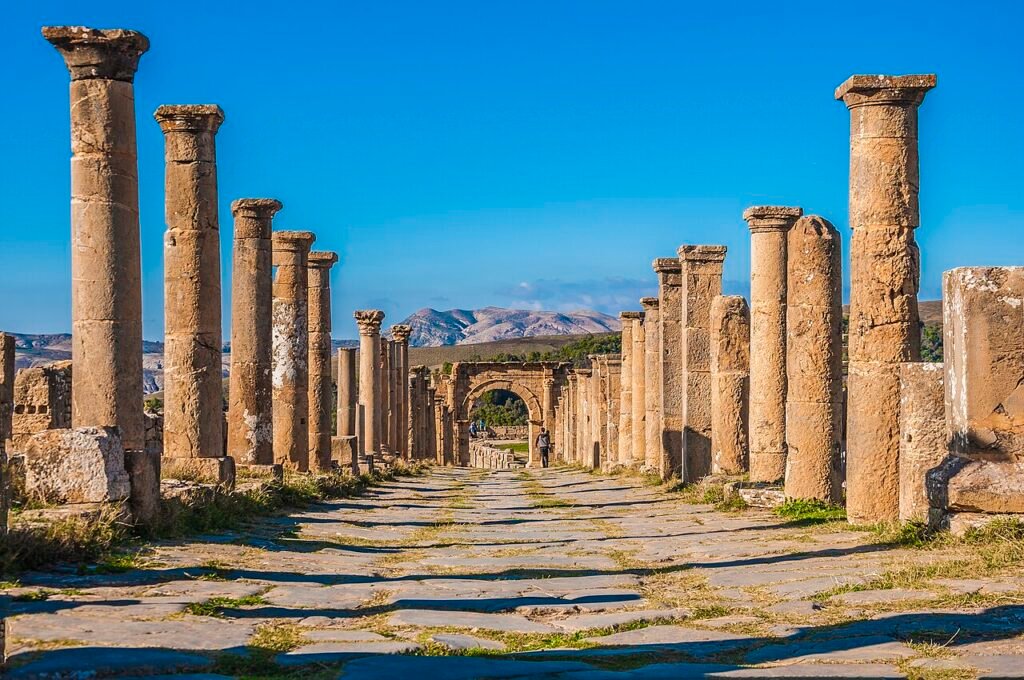
Djémila (Roman Cuicul), inscribed on the UNESCO World Heritage List in 1982, is a veteran military colony founded 96–98 CE at 900 metres altitude in the mountains of northeastern Algeria — preserved by the very isolation that eventually emptied the town. Its Arch of Caracalla (216 CE), Capitolium temple, theatre, Severan forum and early Christian basilica complex are among the most completely legible Roman urban ensembles in North Africa, described by Albert Camus as “the most beautiful Roman ruins in the world.”

UNESCO World Heritage Sites Near Tipasa: The Roman Colony Among the Pines, the Tomb of Cleopatra Selene and Albert Camus’s Inhabited Ruins

UNESCO World Heritage Sites Near Tipasa: The Roman Colony Among the Pines, the Tomb of Cleopatra Selene and Albert Camus’s Inhabited Ruins

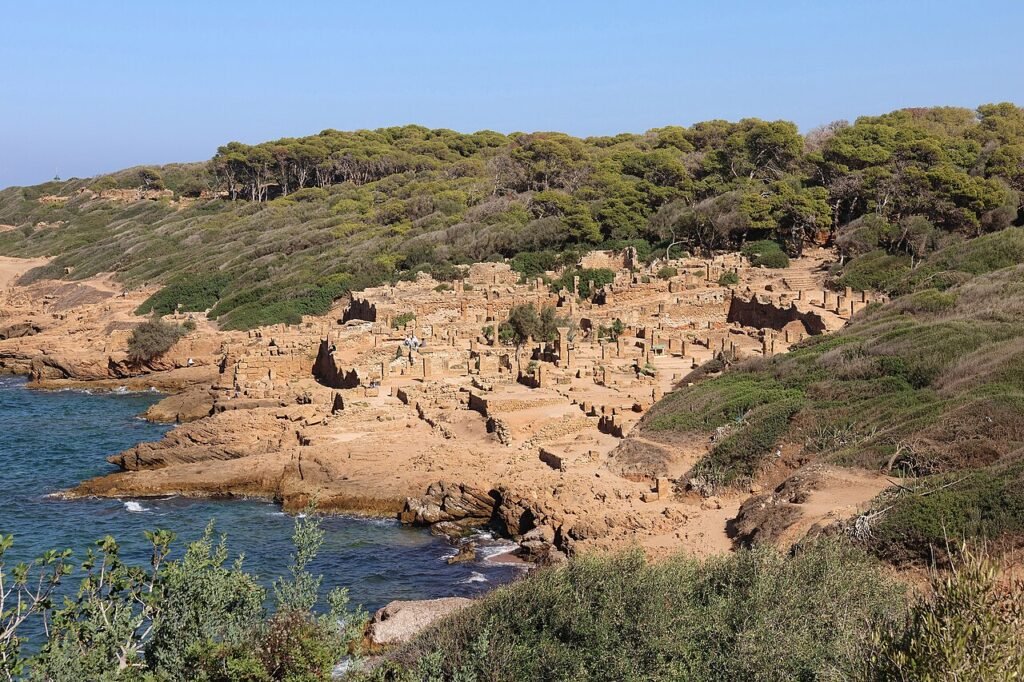
Tipasa, on the Algerian coast 70 km west of Algiers, layers Phoenician trading post, Roman colony (founded 45 CE under Emperor Claudius) and early Christian necropolises across a pine-shaded promontory overlooking the sea. The Royal Mausoleum of Mauretania nearby is the almost-certain tomb of Cleopatra Selene II, last member of the Ptolemaic dynasty, while Albert Camus’s 1936 essay “Noces à Tipasa” made the ruins one of the most celebrated landscapes in French-language literature.

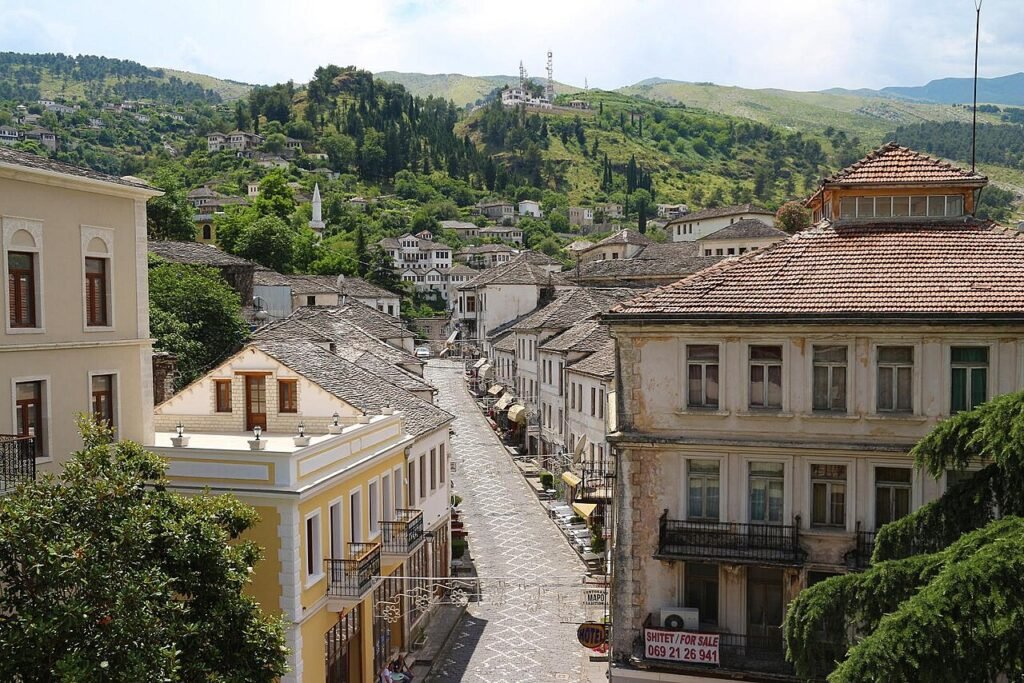
UNESCO World Heritage Sites Near Gjirokastër: Albania’s Stone City, the Tower Houses of Ali Pasha and the Literary Memory of Ismail Kadare

UNESCO World Heritage Sites Near Gjirokastër: Albania’s Stone City, the Tower Houses of Ali Pasha and the Literary Memory of Ismail Kadare

Gjirokastër, Albania’s “stone city,” preserves the Balkans’ finest ensemble of defensive Ottoman tower houses (kullë), a thirteenth-century castle expanded by Ali Pasha of Ioannina, a bazaar intact since the Ottoman period, and the literary memory of Ismail Kadare — co-inscribed with Berat by UNESCO in 2005.

Scroll to Top