
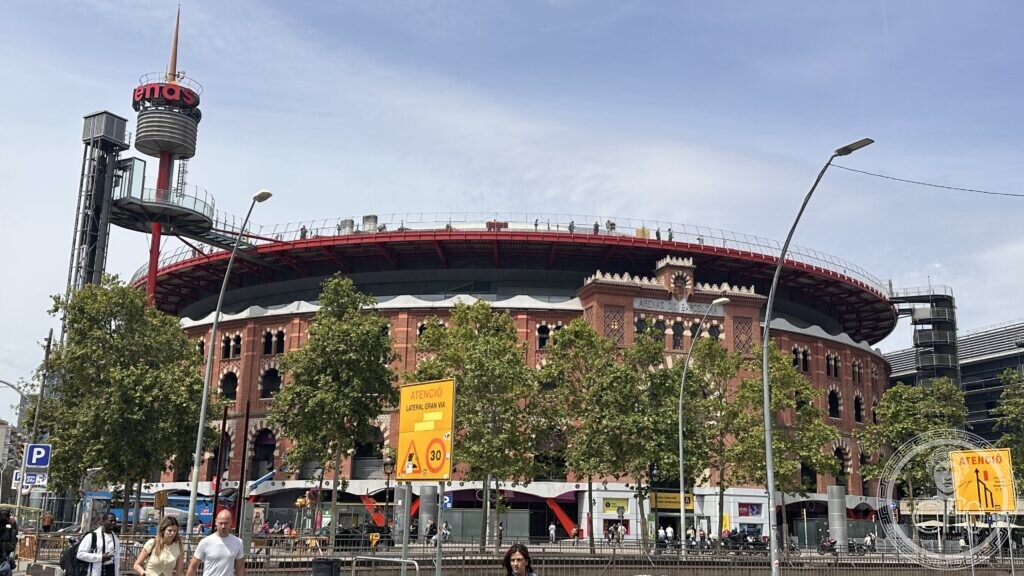
Arenas de Barcelona
Arenas de Barcelona — the former bullring with its rooftop walkway. Photo: Luigi De Marchi (2026) EIXAMPLE, BARCELONA · BUILT […]

Arenas de Barcelona — the former bullring with its rooftop walkway. Photo: Luigi De Marchi (2026) EIXAMPLE, BARCELONA · BUILT […]
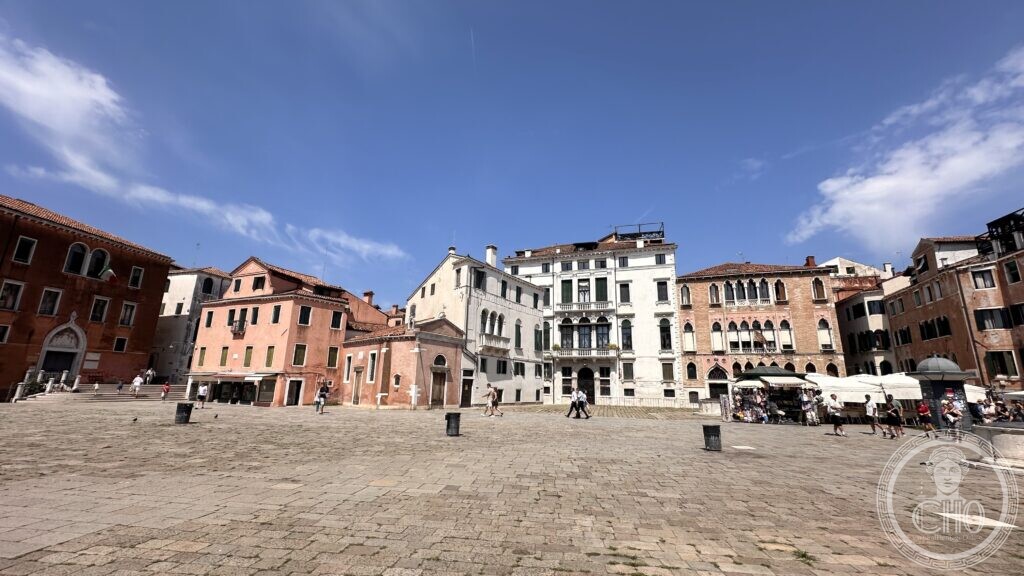
Campo Sant’Angelo, Venice — the square and its palaces. Photo: Luigi De Marchi (2026) SAN MARCO, VENICE · CHURCH FOUNDED
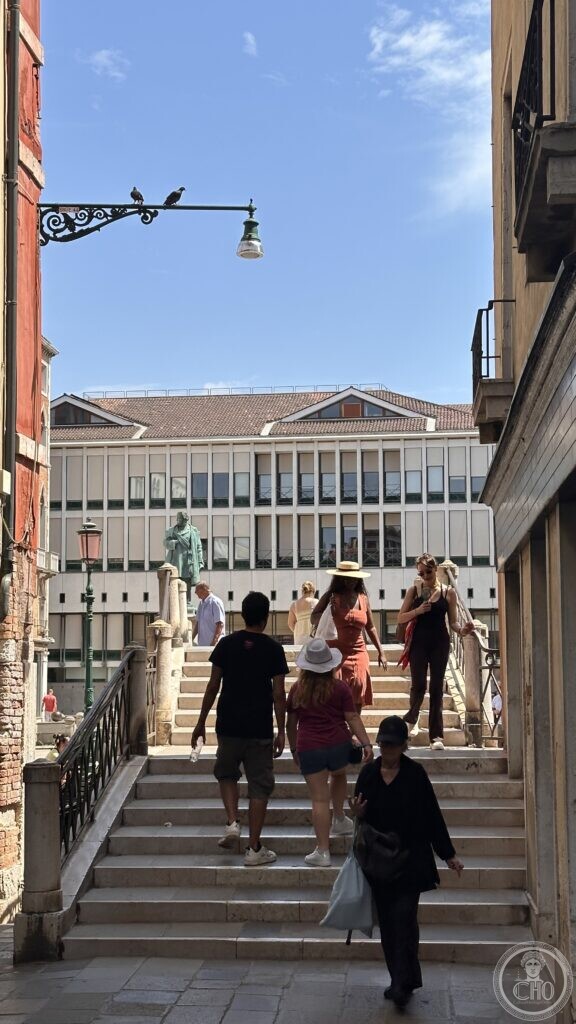
Palazzo Nervi-Scattolin, Campo Manin, Venice. Photo: Luigi De Marchi (2026) SAN MARCO, VENICE · BUILT 1963–1972 Palazzo Nervi-Scattolin A glass-and-steel
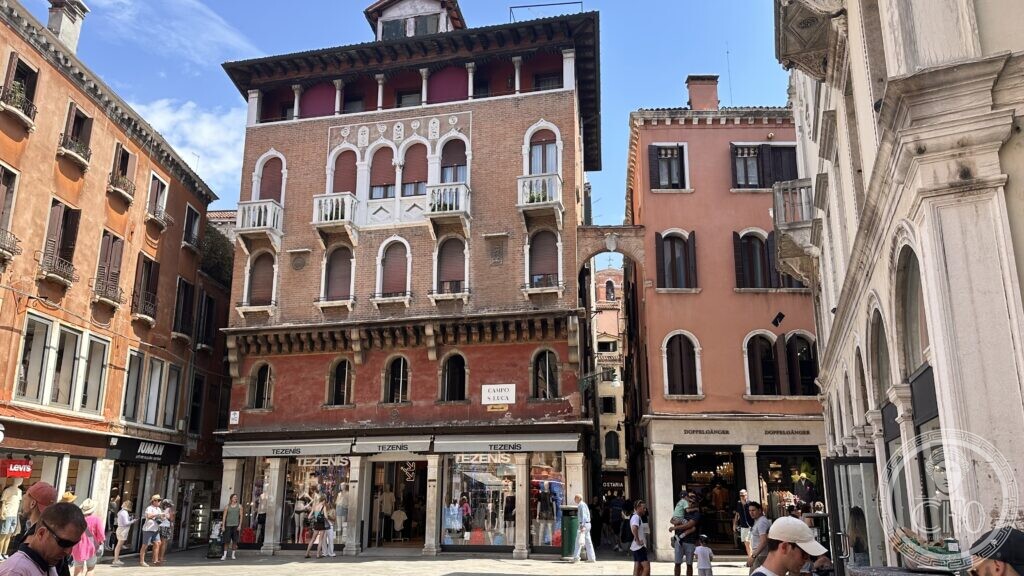
Campo San Luca, Venice — Gothic-Venetian palace facade. Photo: Luigi De Marchi (2026) SAN MARCO, VENICE · NAMED AFTER A

Al-Ahsa, UNESCO-inscribed in 2018, is the world’s largest oasis — an 85-square-kilometre expanse of date palm groves in Saudi Arabia’s Eastern Province sustained by artesian springs active for over 6,000 years. The oasis produces roughly 20 percent of Saudi Arabia’s dates, including the prized Khalas and Ajwa varieties, and its urban core holds Ottoman-era monuments including the Ibrahim Palace, the Qaisariya Market, and the Al-Qarah Mountain cave system.
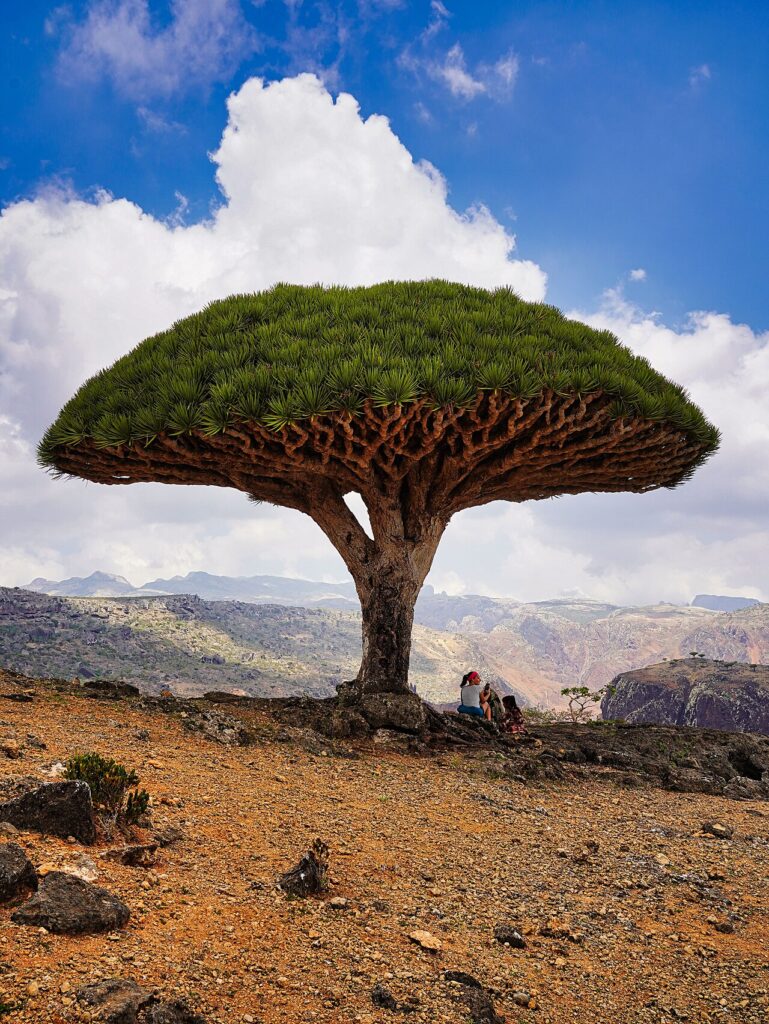
Socotra, a UNESCO Natural World Heritage Site in the Arabian Sea, holds one of the world’s highest concentrations of endemic species — including the dragon blood tree with its distinctive inverted-umbrella canopy — produced by six to seven million years of near-total isolation. On the In Danger list since 2021 due to the Yemen civil war, the archipelago remains one of the most extraordinary natural environments on Earth, with careful planning required for any visit.
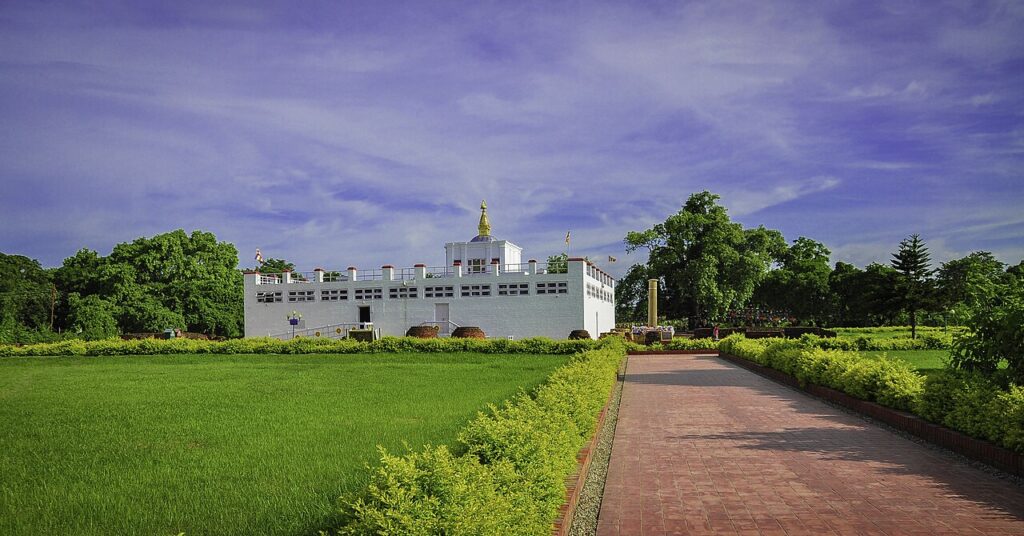
Lumbini in Nepal’s Terai lowlands is the site where the Buddha is said to have been born around the 5th century BCE, confirmed by an inscription placed by Emperor Ashoka in 249 BCE — the earliest written evidence linking a physical location to Siddhartha Gautama. UNESCO-inscribed since 1997, the Sacred Garden preserves the Mayadevi Temple, the Ashoka Pillar, and the Nativity Stone, surrounded by a monastic zone where 26 nations have built monasteries.
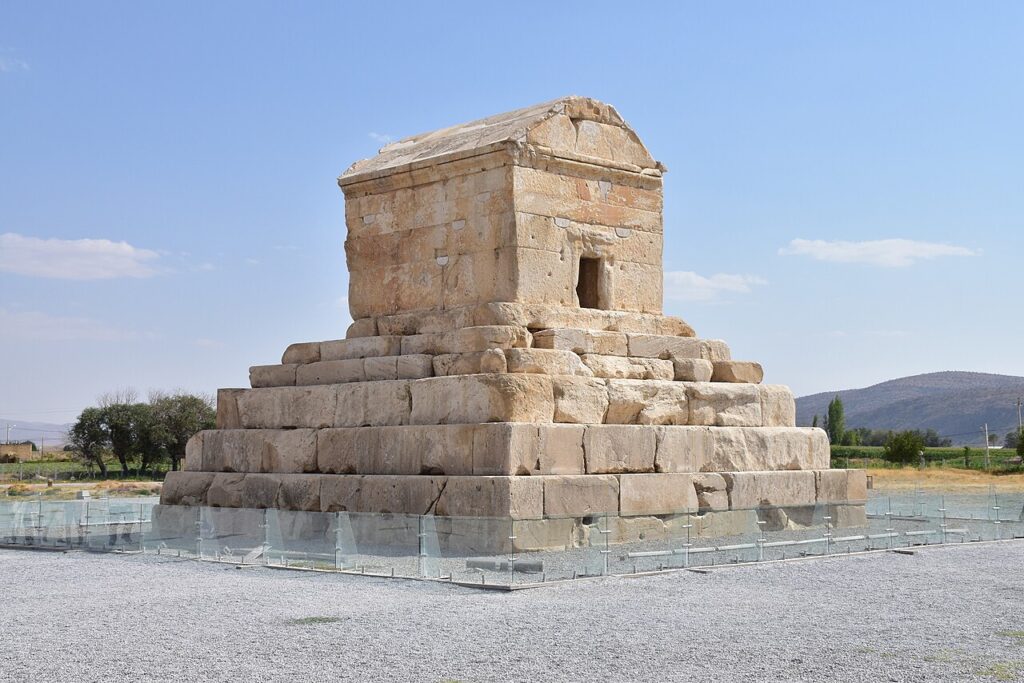
Pasargadae in Fars Province, Iran — UNESCO World Heritage Site since 2004 — was founded around 546 BCE by Cyrus the Great as the first capital of the Achaemenid Persian Empire, containing the Tomb of Cyrus, the earliest known formal garden (origin of the word “paradise”) and the Tall-e Takht coronation platform, located 90 kilometres north of Persepolis.
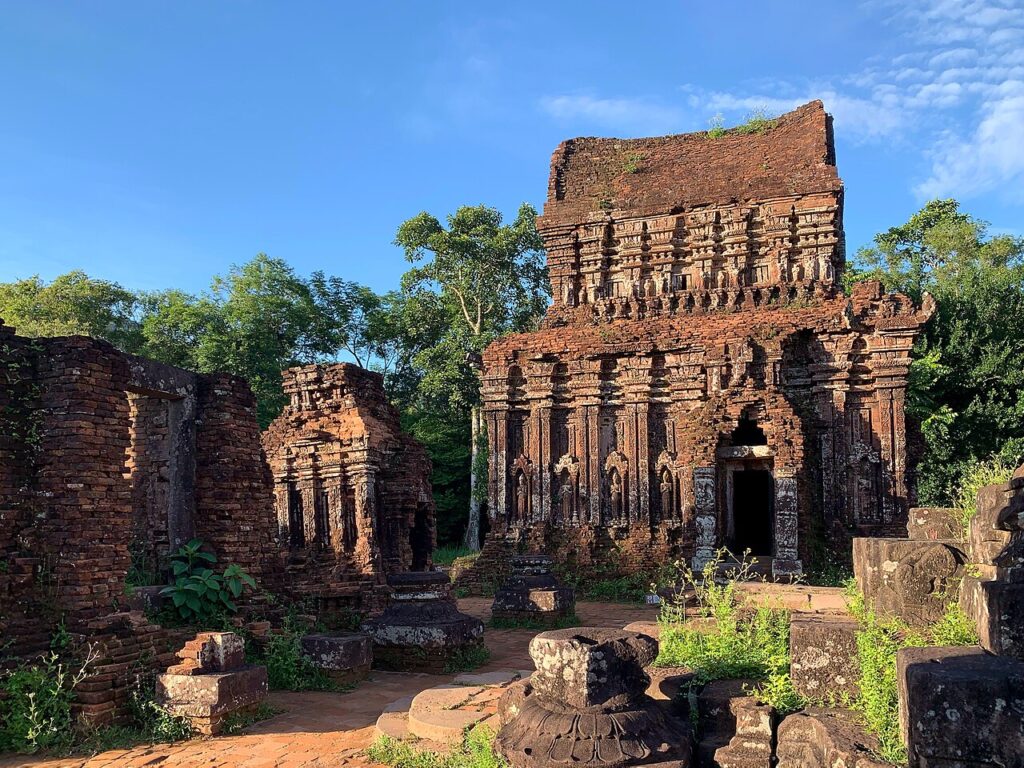
Mỹ Sơn Sanctuary in Quảng Nam Province, Vietnam — UNESCO World Heritage Site since 1999 — was the religious capital of the Champa Kingdom from the fourth to the fourteenth century, preserving the longest uninterrupted Hindu brick-tower building tradition in Southeast Asia, despite the destruction of its finest group of towers in a 1969 American air strike.

Tràng An Scenic Landscape Complex in Ninh Binh Province, Vietnam — one of UNESCO’s rare mixed Cultural and Natural World Heritage Sites (2014) — combines a drowned limestone karst landscape, 30,000 years of archaeological evidence and the remains of Vietnam’s first independent medieval capital at Hoa Lu, all explored by flat-bottomed boat through 47 cave passages.