Cultural Heritage Online
The editorial desk

Cultural Heritage Online

Contributions: 835 articles · 15,435 heritage places · 167 events · 50 itineraries · 4 road-books · 16,137 photographs

Author name: Cultural Heritage Online

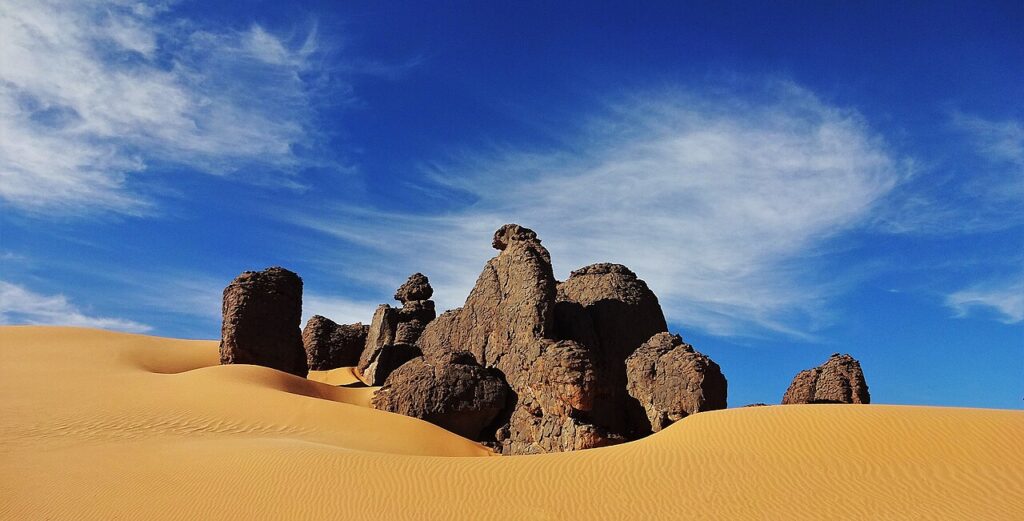
UNESCO World Heritage Sites Near Tassili n’Ajjer: 15,000 Saharan Rock Paintings, Elephants and Hippos in the Desert and the Prehistoric Green Sahara (10,000 BCE)

UNESCO World Heritage Sites Near Tassili n’Ajjer: 15,000 Saharan Rock Paintings, Elephants and Hippos in the Desert and the Prehistoric Green Sahara (10,000 BCE)

Tassili n’Ajjer, a 72,000 km² sandstone plateau in southeastern Algeria, holds more than 15,000 prehistoric rock paintings and engravings spanning from c. 10,000 BCE to the historical period — the most comprehensive visual record of the Sahara’s transformation from fertile savanna to desert. A mixed UNESCO World Heritage Site since 1982, it is accessible exclusively through licensed Tuareg guides based in Djanet oasis.
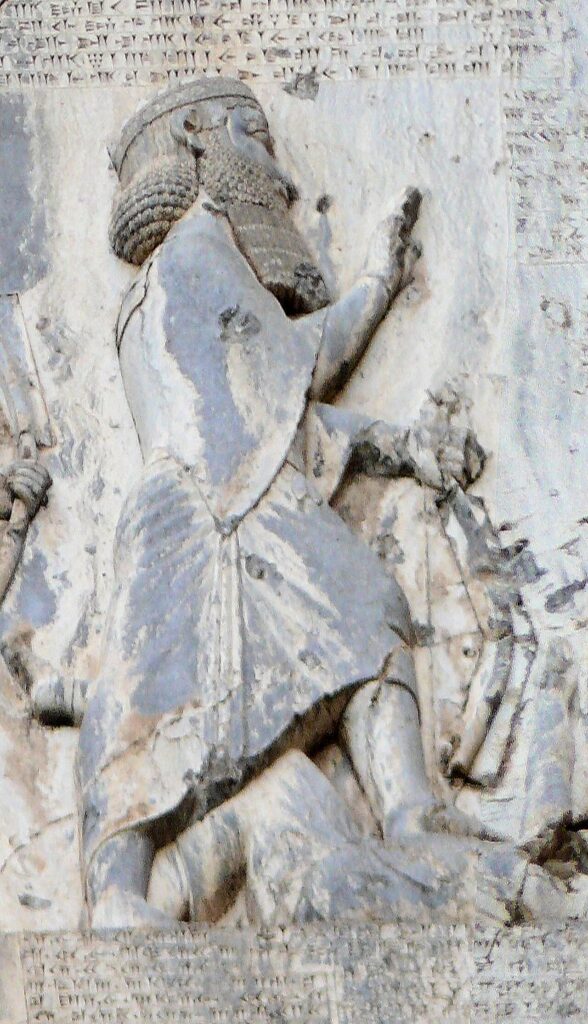
UNESCO World Heritage Sites Near Bisotun: Darius I’s Trilingual Cliff Inscription, the Rosetta Stone of Cuneiform Writing and a Relief 1,200 Metres Above the Silk Road

UNESCO World Heritage Sites Near Bisotun: Darius I’s Trilingual Cliff Inscription, the Rosetta Stone of Cuneiform Writing and a Relief 1,200 Metres Above the Silk Road

Bisotun (UNESCO 2006) in Kermanshah Province, Iran, preserves the world’s largest rock relief and the most important multilingual inscription of antiquity — the Behistun Inscription of Darius I (521-520 BCE), carved in Old Persian, Elamite, and Babylonian cuneiform. When copied by Henry Rawlinson in 1835-1847, the trilingual text became the key to deciphering all Mesopotamian cuneiform scripts, unlocking more than 3,000 years of Sumerian, Akkadian, Babylonian, and Assyrian written records.

Jabal Al Qara Cave, Al-Ahsa, Saudi Arabia

UNESCO World Heritage Sites Near Al-Ahsa Oasis: The World’s Largest Oasis, 2.5 Million Date Palms and 6,000 Years of Artesian-Spring Agriculture in Saudi Arabia

Al-Ahsa, UNESCO-inscribed in 2018, is the world’s largest oasis — an 85-square-kilometre expanse of date palm groves in Saudi Arabia’s Eastern Province sustained by artesian springs active for over 6,000 years. The oasis produces roughly 20 percent of Saudi Arabia’s dates, including the prized Khalas and Ajwa varieties, and its urban core holds Ottoman-era monuments including the Ibrahim Palace, the Qaisariya Market, and the Al-Qarah Mountain cave system.

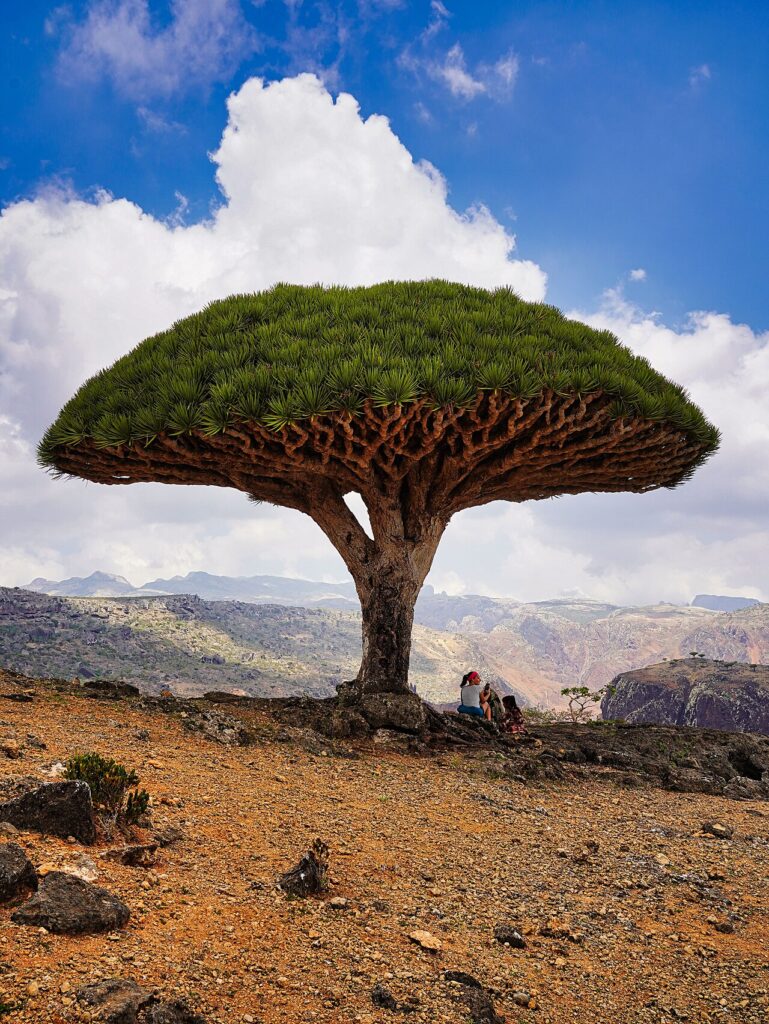
UNESCO World Heritage Sites Near Socotra: The Galápagos of the Indian Ocean, Dragon Blood Trees and 37 Percent of Plant Species Found Nowhere Else on Earth (UNESCO In Danger)

UNESCO World Heritage Sites Near Socotra: The Galápagos of the Indian Ocean, Dragon Blood Trees and 37 Percent of Plant Species Found Nowhere Else on Earth (UNESCO In Danger)

Socotra, a UNESCO Natural World Heritage Site in the Arabian Sea, holds one of the world’s highest concentrations of endemic species — including the dragon blood tree with its distinctive inverted-umbrella canopy — produced by six to seven million years of near-total isolation. On the In Danger list since 2021 due to the Yemen civil war, the archipelago remains one of the most extraordinary natural environments on Earth, with careful planning required for any visit.

Scroll to Top