
Heritage Hub · Liguria, Italy
Liberty Genova
Genoa is the harbour-Liberty city — where ornament negotiates with local stone and water imagery surfaces wherever an architect can fit it.
City profile
- Style era
- 1893–1914
- Key architect
- Gino Coppedè (1866–1927)
- Region
- Liguria, Italy
- Walking tour
- 4.6 km · 70 min
- Heritage sites
- 9 documented
Key figures
- Gino Coppedè (1866–1927) — Florentine-born, in Genoa from 1893; built Castello Mackenzie, Palazzo Zuccarino and Villa Canali across three decades in his own hybrid medieval-Liberty grammar.
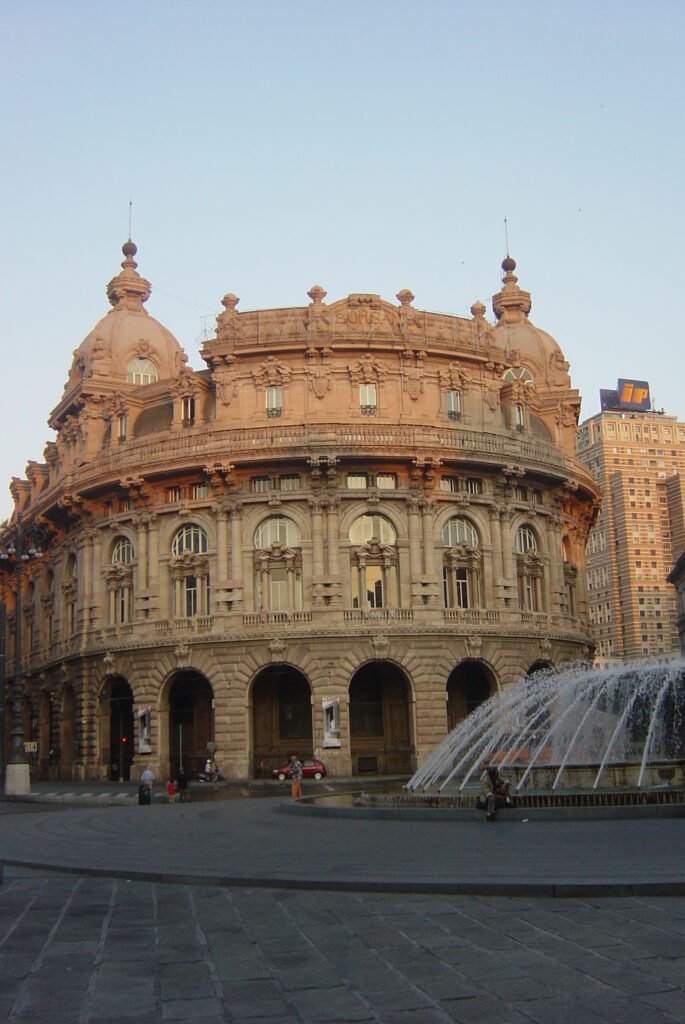
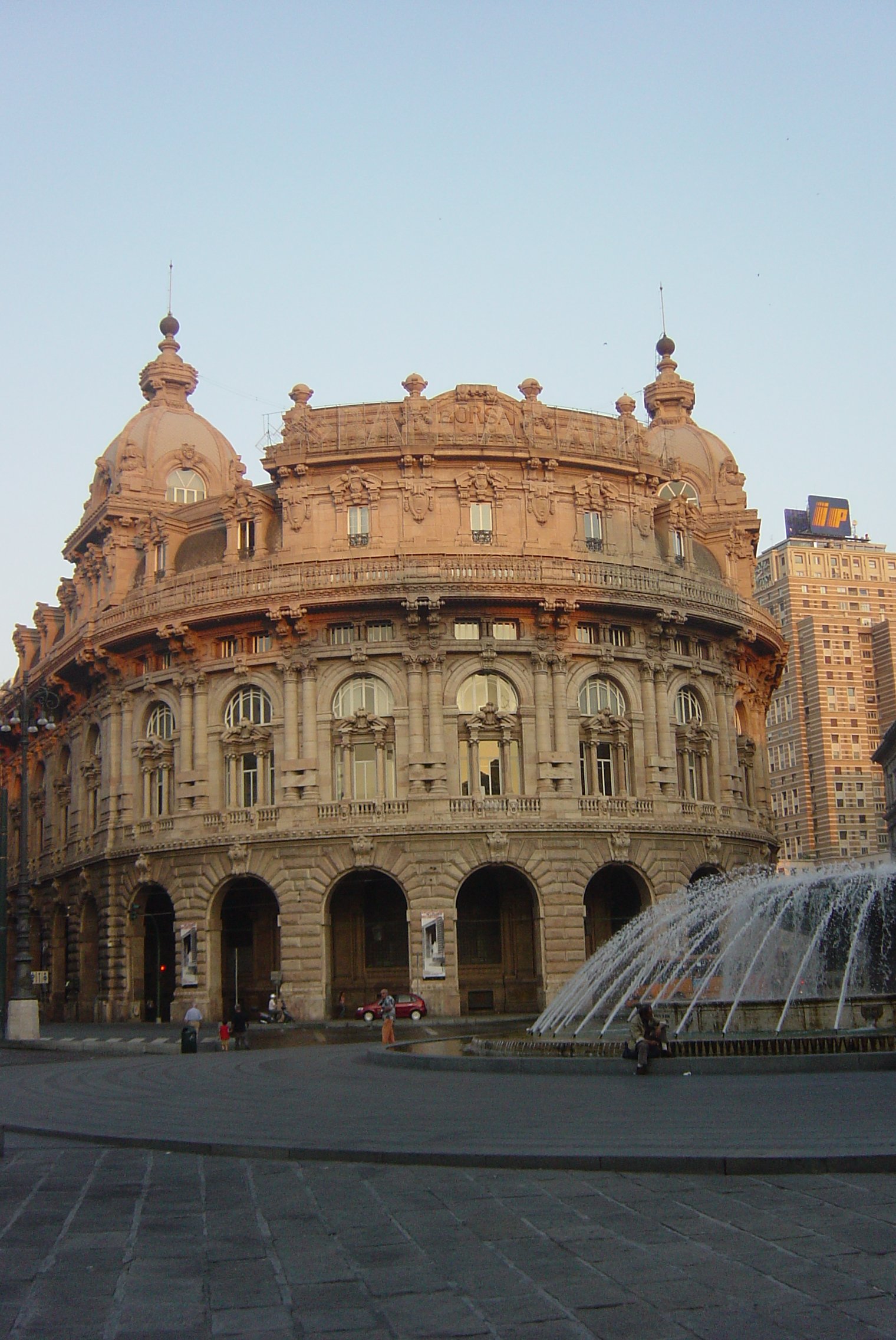
- Dario Carbone — Designed the Bristol Palace and the Palazzo della Borsa exterior in the Mitteleuropean register.
- Benvenuto Pesce Maineri — Turned Via XX Settembre into a maritime-Liberty showcase with Neptune over a doorway.
Explore on the map
Browse all Liberty heritage sites in Genova on the interactive CHO map.
Open interactive mapGenoa is the harbour-Liberty city. Where Turin made Liberty a residential programme for a polytechnic-trained bourgeoisie and Venice put it on the sand of a holiday island, Genoa wrote it along the routes its money travelled — Via XX Settembre, the new Eastern Market, the new Stock Exchange, the hillside villas the shipping families built when the historic centre stopped flattering them.
Gino Coppedè (1866–1927) is the architect the city argues with first. Florentine by birth, in Genoa from 1893, he built Castello Mackenzie for an insurance broker, Palazzo Zuccarino for a builder and Villa Canali for an industrial family — three buildings, three decades, one decorative grammar that fused medievalism, ornament and Liberty into what later writers call simply lo stile Coppedè. His brother Adolfo handled the Stock Exchange interiors. Around them, Dario Carbone designed the Bristol Palace and the Stock Exchange exterior, Gaetano Orzali built his own palazzo on Via XX Settembre, and Benvenuto Pesce Maineri turned the same street into a maritime-Liberty showcase with Neptune over a doorway.
Genoa wrote Liberty along the routes its money travelled — and wherever a Genoese architect could fit water imagery, the sea found its way into the stone.
Resources
Discover all CHO walking tours — Join as Founding Partner
Find it on the map
See this place and what’s around it →
📷 Become a Cultural Heritage Online photographer
Share your photos of places: they stay published under your name as the author. The more they're seen, the more you get noticed — and soon a contest will reward the most appreciated photos.
Log in or sign up free to add a photo