
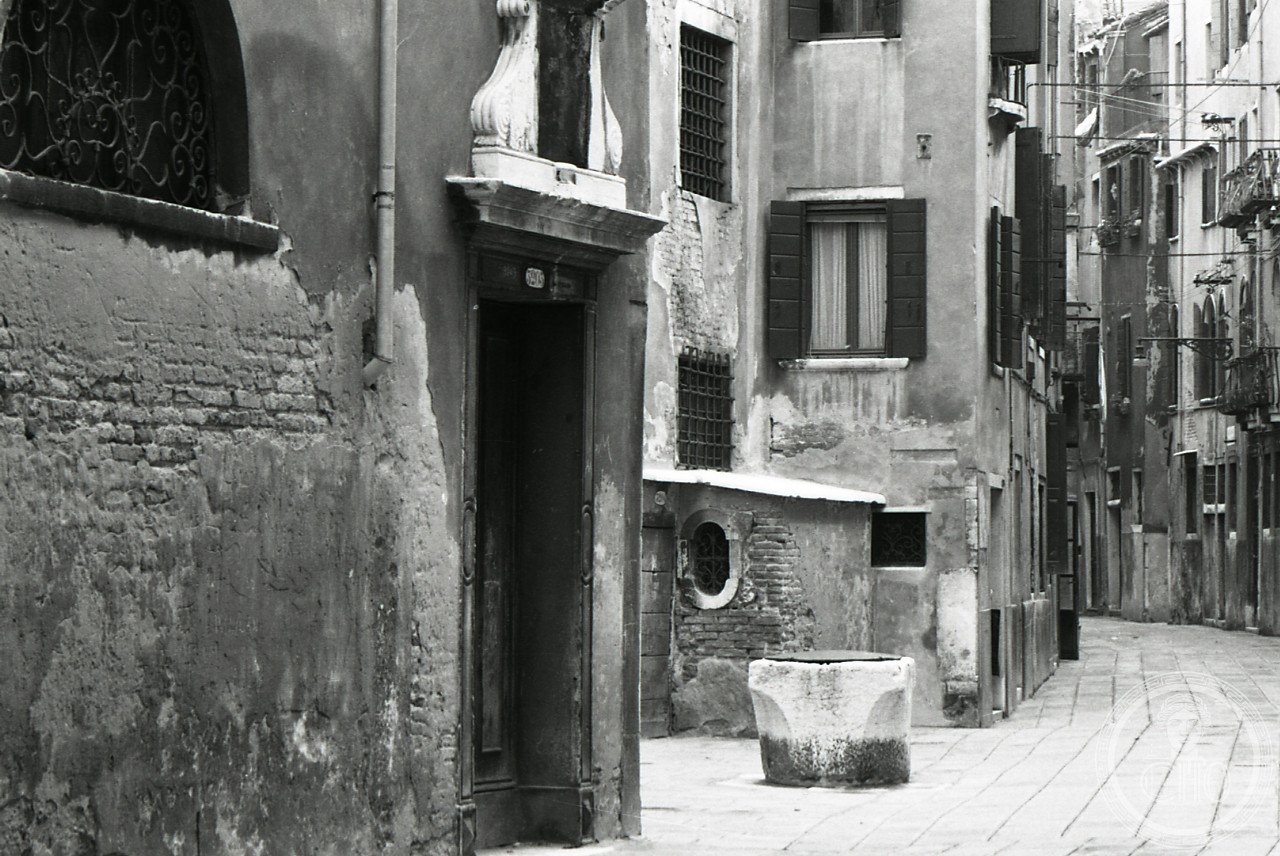
Venice is a city in northeastern Italy, built across 126 small islands in a lagoon at the northern end of the Adriatic Sea and connected by 472 bridges and a network of canals. Inscribed on the UNESCO World Heritage List since 1987 as part of the “Venice and its Lagoon” site, the historic city is among the most visited and extensively documented cultural destinations on earth. This entry provides an immersive 360° virtual tour perspective on the city’s most significant heritage sites, enabling remote visitors to experience its unique urban geography before or in place of a physical visit.
- Location
- Laguna di Venezia, Veneto, Italy
- UNESCO
- World Heritage Site since 1987 (“Venice and its Lagoon”)
- Founded
- Traditionally 421 AD; major urban development from 9th–15th century
- Period
- Byzantine through Baroque (5th–18th century); ongoing
- Function
- Historic city, living community, and major cultural tourism destination
- Coordinates
- 45.4334° N, 12.3281° E
At a glance
- Type
- Historic island city / UNESCO World Heritage Site
- Period
- Founded traditionally 421 AD; peak influence 9th–16th century
- Style
- Byzantine, Gothic, Renaissance, Baroque
- Location
- Laguna Veneta, Metropolitan City of Venice, Veneto
Overview
Venice is built on a group of 126 islands separated by canals and linked by bridges, with no roads for wheeled traffic in the historic centre. For over six centuries it was the capital of the Republic of Venice, one of the great maritime trading powers of the Mediterranean world, whose wealth funded an extraordinary concentration of Gothic, Renaissance, and Baroque art and architecture. Today the city is protected as a UNESCO World Heritage Site, its survival dependent on the MOSE flood-barrier system completed in 2020 against the recurring threat of acqua alta.
History
Settlement of the lagoon islands intensified in the 5th and 6th centuries as mainland populations fled Lombard and Hun invasions. The Republic of Venice consolidated power from the 9th century, building a commercial empire that stretched across the eastern Mediterranean, the Levant, and into the Black Sea. At its height, Venice was the wealthiest city in Europe, funding masterpieces including the Basilica di San Marco (begun 828 AD in its current form from 1063), the Doge’s Palace, and dozens of Gothic and Renaissance churches. The Republic fell to Napoleon in 1797 and Venice became part of unified Italy in 1866.
What you see
The Grand Canal — the city’s main waterway — curves for nearly 4 kilometres through the historic centre, flanked by palaces ranging from Venetian Gothic to Baroque in style. Piazza San Marco anchors the civic heart with the mosaic-encrusted Basilica, the Doge’s Palace, the Campanile, and the Procuratie arcades. Beyond the main tourist circuit, the city’s six sestieri (districts) contain hundreds of parish churches, scuole (lay confraternity buildings), and campi (squares) that preserve an urban texture unchanged in its essentials since the 16th century.
Cultural significance
Venice is among the handful of cities — alongside Rome, Athens, and Istanbul — that shaped the cultural identity of Western civilisation, serving as the principal conduit of Byzantine art and knowledge into Renaissance Europe. The city’s UNESCO designation recognises not only its architectural heritage but the unique relationship between the built fabric and its lagoon environment, which remains one of the most fragile and irreplaceable ecosystems in Mediterranean Europe. The Venice Biennale, established 1895, continues to make the city a global reference point for contemporary art and architecture.
Practical information
Venice’s historic centre is freely accessible on foot. Major monuments including the Basilica di San Marco, the Doge’s Palace, and the Accademia galleries charge admission; advance booking is strongly recommended. Since 2024, day-trippers during peak periods must pay an access contribution (contributo d’accesso); check the official Venice municipality website for current requirements.
Arrival hub: Santa Lucia railway station (Venezia S.L.); Piazzale Roma for bus and car; Marco Polo Airport (VCE) approximately 12 km by water taxi or bus.
Getting there
Venice is served by direct high-speed rail connections from Rome (approximately 3h 45min), Milan (approximately 2h 30min), and Florence (approximately 2h). Within the city, ACTV vaporetto (water bus) lines cover the Grand Canal and outer islands including Murano, Burano, and Torcello. No private cars are permitted in the historic centre; parking is available in multi-storey garages at Piazzale Roma or Tronchetto.
Sources & resources
See the place
Find it on the map
See this place and what’s around it →📷 Become a Cultural Heritage Online photographer
Share your photos of places: they stay published under your name as the author. The more they're seen, the more you get noticed — and soon a contest will reward the most appreciated photos.
Log in or sign up free to add a photo