
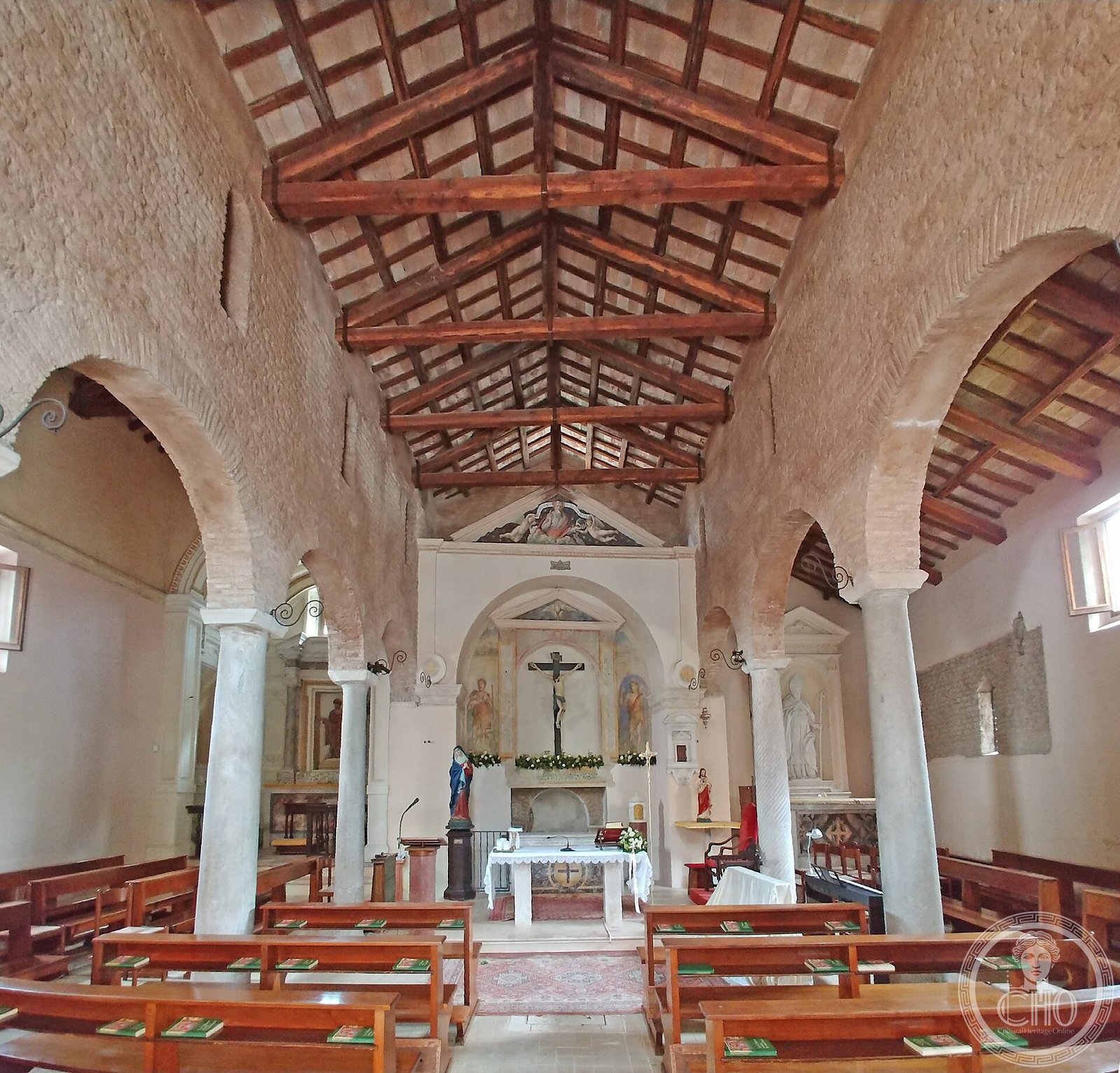
San Lazzaro in Borgo is a historic church in the Borgo district of Rome, the ancient pilgrim quarter immediately west of the Tiber that grew up alongside the road leading to St Peter’s Basilica. The Borgo rione has been a place of hospitality and charity since the early medieval period, and churches dedicated to Saint Lazarus — patron of lepers and the hospitalised poor — were common features of this charitable landscape, often associated with a hospice or lazar house serving pilgrims arriving in Rome on the Via Francigena.
At a glance
- Type
- Historic Catholic church
- Period
- Medieval origins; rebuilt in various phases through early modern period
- Style
- Roman ecclesiastical; Baroque interior elements
- Location
- Rione Borgo, Rome, Italy (41.9154° N, 12.4500° E)
Overview
The Borgo district of Rome, lying between Castel Sant’Angelo and St Peter’s Square, developed as a multinational pilgrim city from the early medieval period. Churches, hospitals, and national hospices proliferated here to serve the constant flow of pilgrims from across Catholic Europe. San Lazzaro in Borgo belonged to this tradition of charitable ecclesiastical foundations, taking its dedication from the biblical figure of Lazarus, who became the patron saint of lepers and the sick poor throughout medieval Christendom.
History
Churches dedicated to San Lazzaro in the Borgo neighbourhood were commonly linked to lazar houses — institutions providing care for lepers and sick pilgrims — that were an indispensable part of the medieval pilgrimage infrastructure leading to St Peter’s. The Borgo district was reshaped dramatically in the 1930s when Mussolini’s regime demolished large sections of the medieval and Renaissance urban fabric to create the Via della Conciliazione for the Lateran Treaty celebrations of 1929, affecting many historic churches and institutions in the area. The church’s long history is intertwined with the changing fortunes of the pilgrim quarter through the medieval, Counter-Reformation, and modern periods.
What you see
The church presents a modest street facade typical of smaller Roman parish churches, with an interior that has accumulated devotional art and furnishings over several centuries of continuous use. The Borgo neighbourhood surrounding the church retains fragments of its medieval and Renaissance urban character despite 20th-century interventions, and a walk through its narrow streets offers glimpses of the pilgrimage cityscape that once extended from the Tiber bridges to the colonnade of St Peter’s. The proximity to Castel Sant’Angelo and the Vatican museums makes the area one of Rome’s most historically layered quarters.
Cultural significance
San Lazzaro in Borgo is part of the dense network of small churches that defined Rome’s Borgo as a place of Christian hospitality and care for centuries before the area was transformed by 20th-century urban planning. These minor churches collectively constitute a form of living heritage, preserving the memory of the medieval city’s charitable institutions and the extraordinary phenomenon of mass Catholic pilgrimage to Rome.
Practical information
- Location
- Rione Borgo, Rome, Italy
- Coordinates
- 41.9154° N, 12.4500° E
- Admission
- Free entry
Getting there
The Borgo district is easily reached from St Peter’s Square and the Vatican Museums. The nearest metro station is Ottaviano (Line A). Bus lines 23, 40, 62, 280, and 982 serve the Lungotevere and Via della Conciliazione. On foot from Termini, take metro line A to Ottaviano (about 12 minutes). The area is also within walking distance of Castel Sant’Angelo.
Sources & resources
See the place
Find it on the map
See this place and what’s around it →Historical events at this place (2)
📷 Become a Cultural Heritage Online photographer
Share your photos of places: they stay published under your name as the author. The more they're seen, the more you get noticed — and soon a contest will reward the most appreciated photos.
Log in or sign up free to add a photoIs this page about you?
This page is read by travellers and heritage enthusiasts who find it on Google. Tell us how you are connected to this place and we will take it from there.