
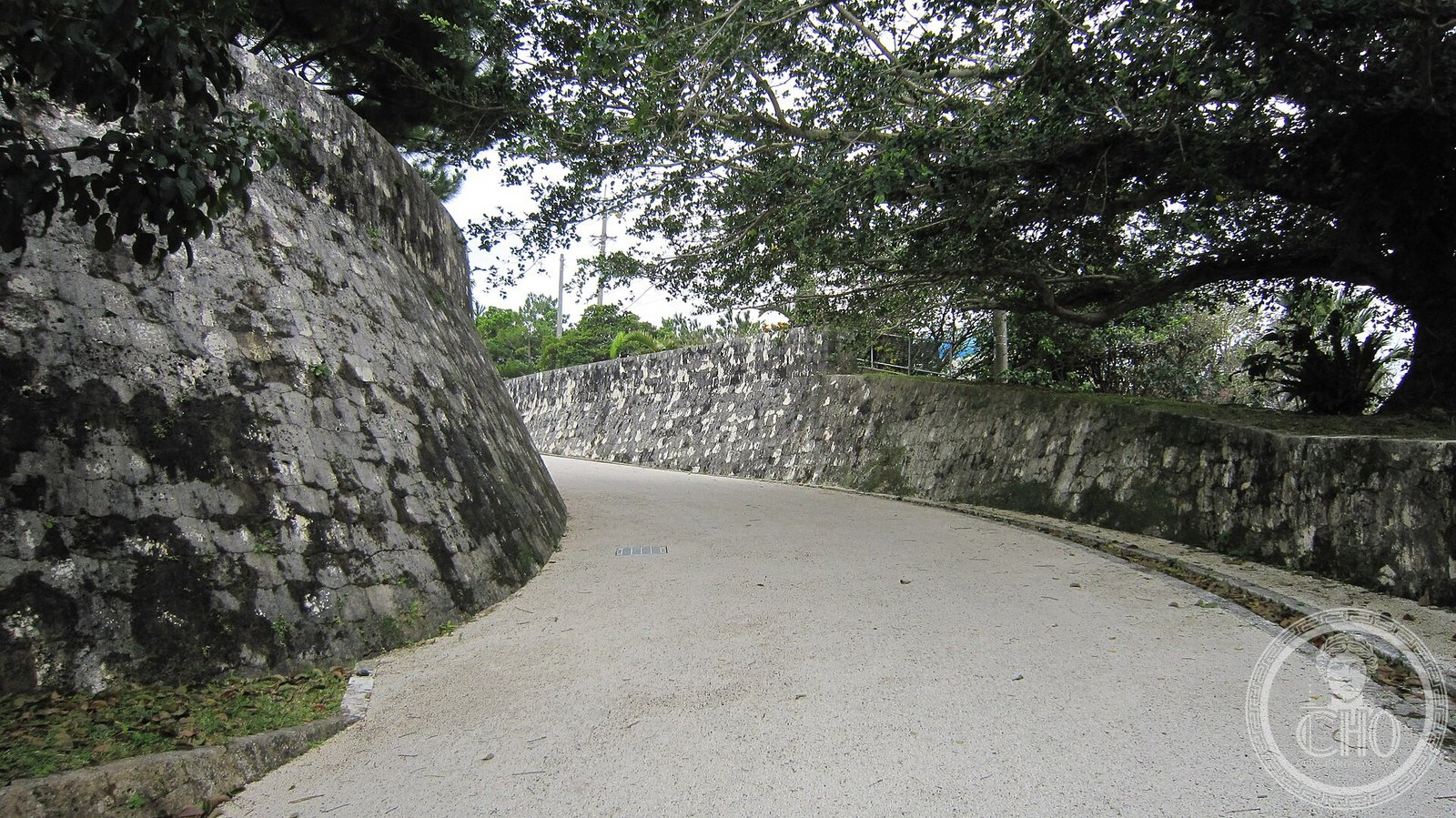
Sairai-in is a Buddhist temple in Naha, Okinawa Prefecture, Japan, popularly known as the Daruma Temple for its tradition of displaying and venerating daruma dolls — the round, red papier-mâché figures representing Bodhidharma, the Indian monk credited with founding Chan (Zen) Buddhism. The temple is one of the religious sites that survived or was rebuilt after the devastation of the Battle of Okinawa in 1945 and reflects the syncretic Buddhist-Shinto-Ryukyuan religious culture of the island. Visitors come to make wishes, dedicate daruma, and pray for good fortune and perseverance.
At a glance
- Type
- Buddhist temple (Daruma votive tradition)
- Period
- Traditional Buddhist foundation; current structure post-1945 reconstruction era
- Style
- Okinawan Buddhist temple architecture with Ryukyuan elements
- Location
- Naha, Okinawa Prefecture, Japan · 26.2180° N, 127.7225° E
Overview
Sairai-in Temple sits within the urban fabric of Naha, the capital of Okinawa Prefecture, and forms part of the rich religious landscape that defines this island city. Like many Okinawan religious sites, the temple embodies a blend of mainland Japanese Buddhist traditions, indigenous Ryukyuan spiritual practices, and Chinese religious influences accumulated over centuries of the Ryukyu Kingdom’s trade networks. The Daruma association links it to the widely practised Japanese custom of purchasing a daruma figure at the start of a significant undertaking, filling in one eye when the endeavour is begun and the second when it is completed.
History
Buddhism arrived in the Ryukyu Islands primarily through contacts with the mainland Japanese religious establishment during the era of the Ryukyu Kingdom, and numerous temples were established in and around Shuri and Naha from the 14th century onward. The catastrophic Battle of Okinawa (April–June 1945), which reduced much of Naha to rubble, destroyed a large proportion of the island’s pre-war religious and architectural heritage. Sairai-in’s current structures reflect the rebuilding effort of the postwar decades, during which Okinawan communities worked to restore their religious institutions as an affirmation of cultural continuity. The temple’s specific association with daruma devotion likely developed or intensified in the postwar period as a focus for communal hope and perseverance.
What you see
The temple precinct contains a main hall (hondo) dedicated to Buddhist images alongside a collection of daruma figures of various sizes donated by worshippers whose wishes have been fulfilled. The characteristic red daruma dolls — weighted so they always return upright, symbolising resilience — are displayed in clusters that create a striking visual effect. Stone lanterns, incense burners, and small votive plaques accompany the main sacred space, reflecting a layering of religious forms typical of Okinawan devotional practice.
Cultural significance
Sairai-in represents the living Buddhist tradition of Okinawa as it has been reshaped by the island’s unique history: the legacy of the Ryukyu Kingdom, the trauma of World War II, and the subsequent American occupation and reversion to Japan in 1972. The daruma tradition at the temple connects Okinawa’s religious life to the broader Japanese cultural sphere while retaining distinctly local characteristics, making it an accessible and meaningful expression of Okinawan spiritual identity for residents and visitors alike.
Practical information
The temple is located in Naha, Okinawa. Opening hours and access for visitors are best confirmed by checking with local tourism information or the temple directly. No admission fee is generally charged for the temple grounds. Modest and respectful dress is appropriate.
Getting there
Naha is served by Naha Airport, connected to the city centre by the Yui Rail monorail. From central Naha, the temple is accessible by local bus or taxi. The Kokusai-dori (International Street) area and the Makishi public market are nearby landmarks that can help orient visitors to this part of the city.
Sources & resources
See the place
Find it on the map
See this place and what’s around it →📷 Become a Cultural Heritage Online photographer
Share your photos of places: they stay published under your name as the author. The more they're seen, the more you get noticed — and soon a contest will reward the most appreciated photos.
Log in or sign up free to add a photoIs this page about you?
This page is read by travellers and heritage enthusiasts who find it on Google. Tell us how you are connected to this place and we will take it from there.