
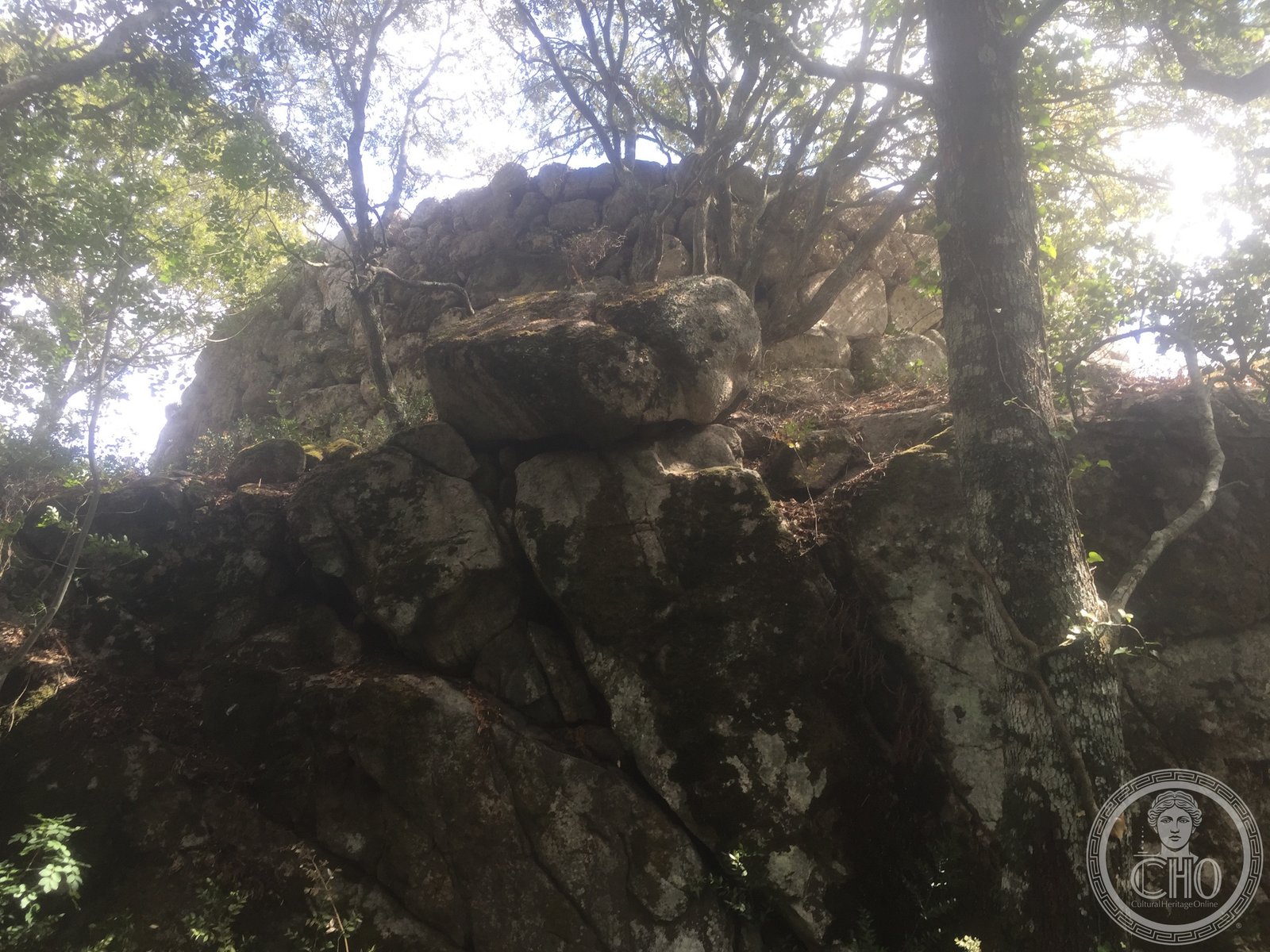
Nuraghe Majori is one of Sardinia’s best-preserved nuragic towers, standing in the municipality of Orgosolo in the Nuoro province. Built during the Nuragic Age, which spanned roughly 1900 to 730 BC, it belongs to the wider tradition of megalithic construction unique to Sardinia — an island that preserves more than 7,000 known nuraghe structures. The site offers a rare chance to experience Sardinia’s Bronze Age civilisation at close range, surrounded by the wild Barbagia landscape.
At a glance
- Type
- Nuraghe (megalithic tower)
- Period
- Nuragic Age, c. 1900–730 BC
- Style
- Megalithic dry-stone construction
- Location
- Orgosolo, Nuoro Province, Sardinia, Italy
- Coordinates
- 40.9195° N, 9.0968° E
Overview
Nuraghe Majori is a circular tower built from large basalt blocks without mortar, characteristic of the Nuragic civilisation that flourished in Sardinia for over a thousand years. The nuraghe takes its name from the surrounding territory and represents one of the most complete examples of this building type in the Barbagia region. It stands as a tangible link to a pre-Roman Bronze Age culture that left no written records but built thousands of monumental structures across the island.
History
The nuraghe was constructed during a period when the Nuragic people dominated Sardinia, building towers that served simultaneously as defensive fortifications, chieftain residences, and community gathering points. The broader Nuragic civilisation is thought to have peaked between 1500 and 900 BC, before gradual Phoenician and later Roman contact transformed island society. Nuraghe Majori survived largely intact due to its relative isolation in the Orgosolo highlands, protected by rugged terrain that slowed later urban and agricultural development. Archaeological study of the site has contributed to our understanding of Nuragic building techniques and territorial organisation.
What you see
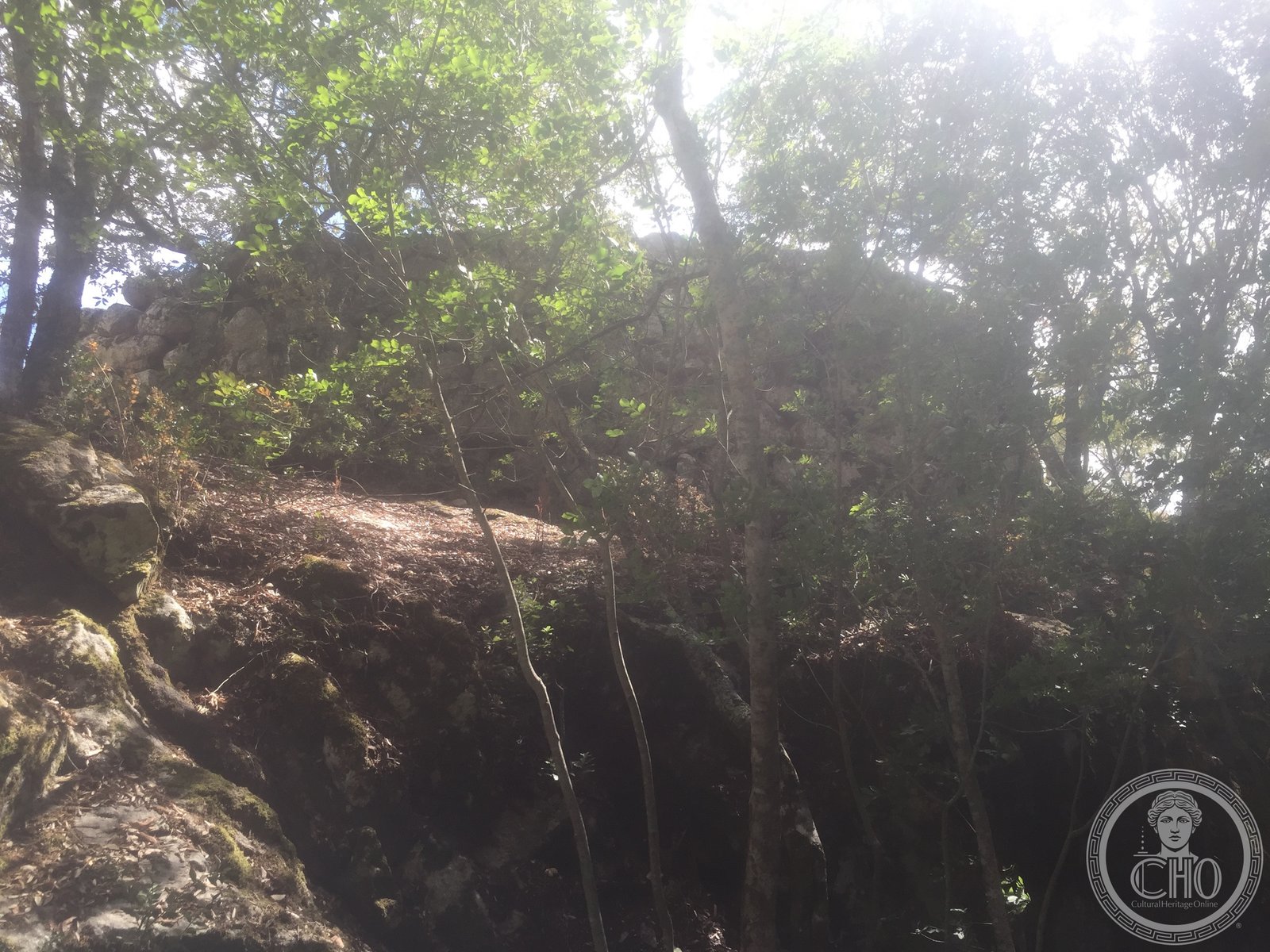
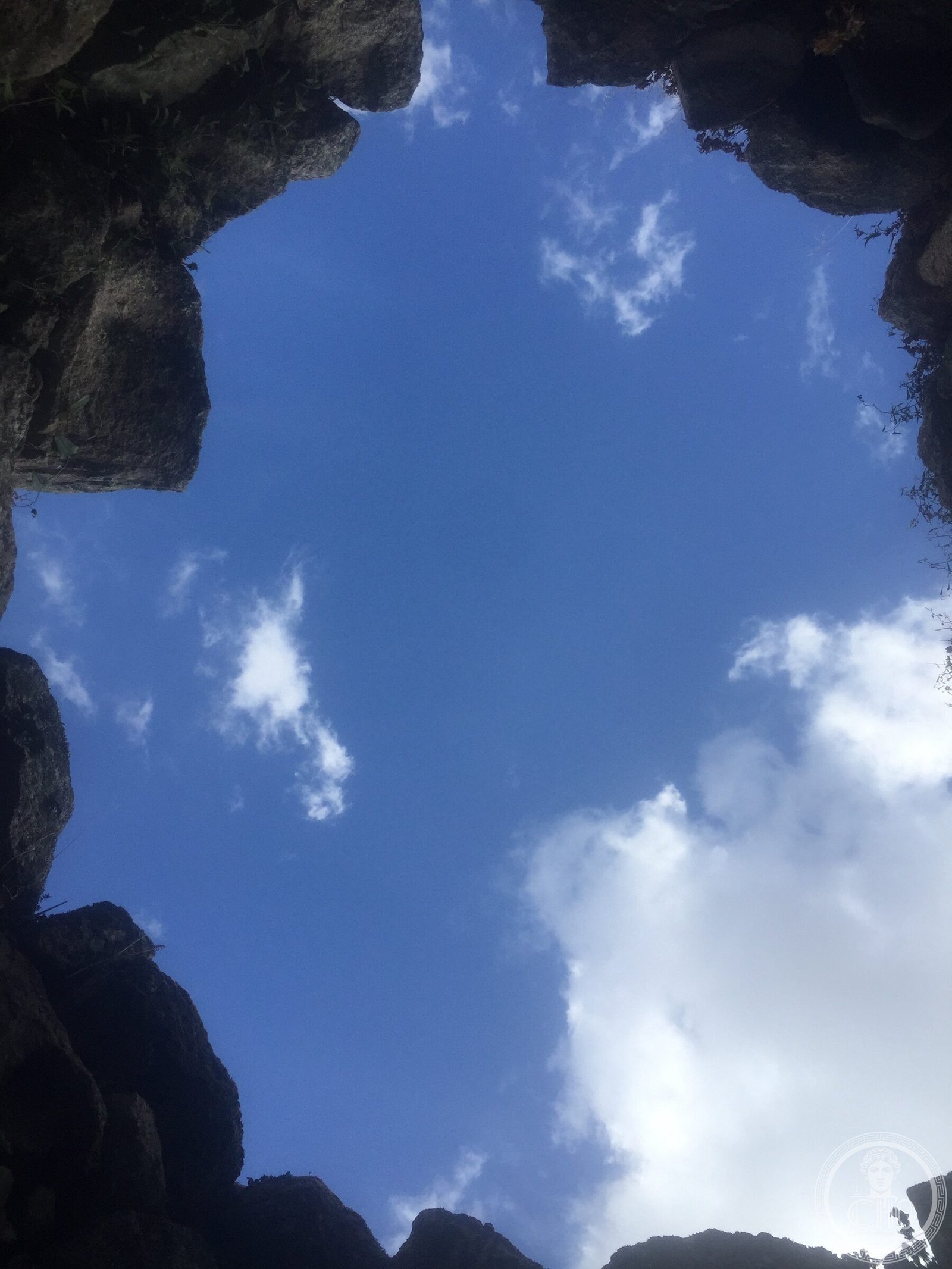
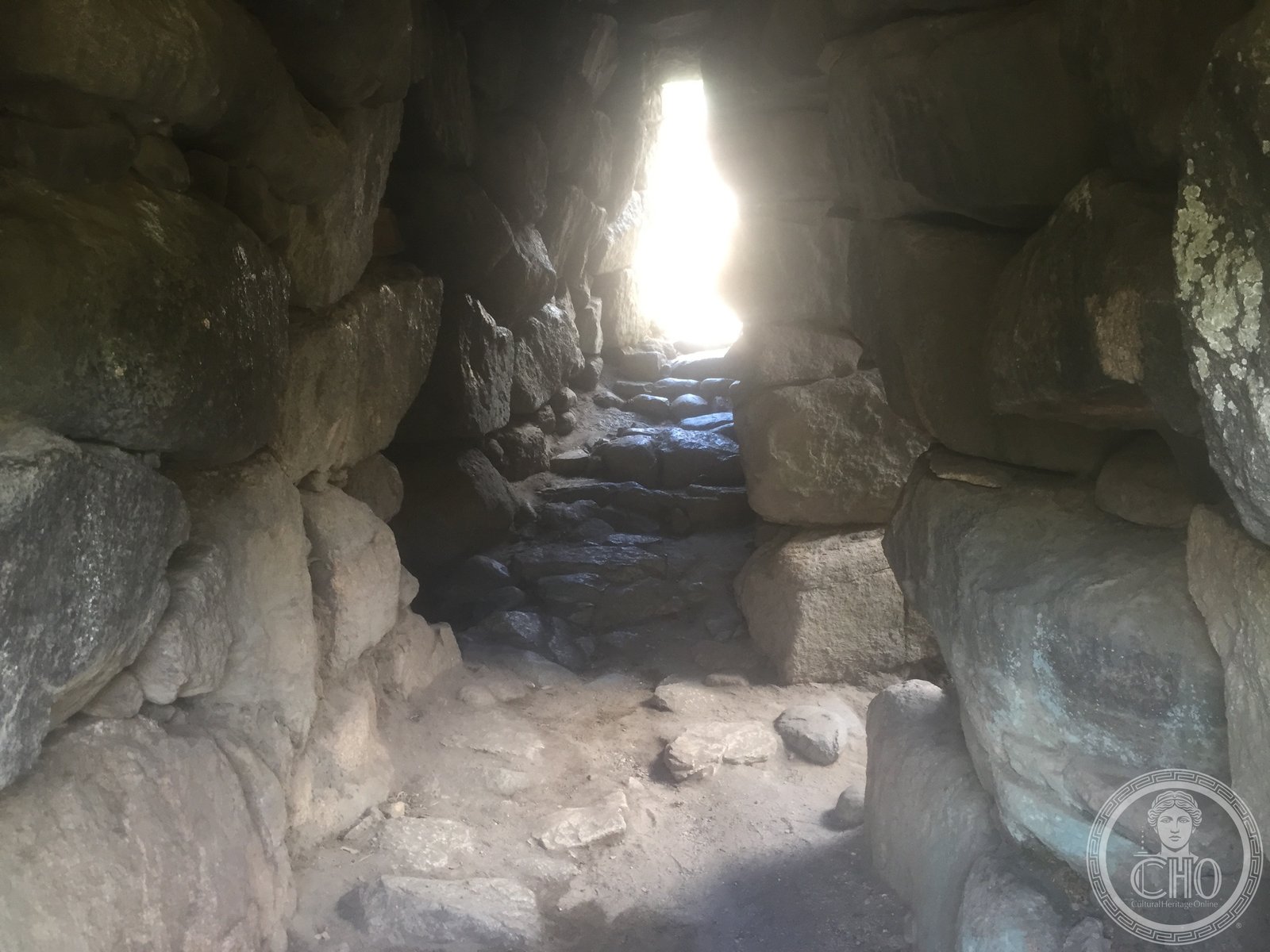
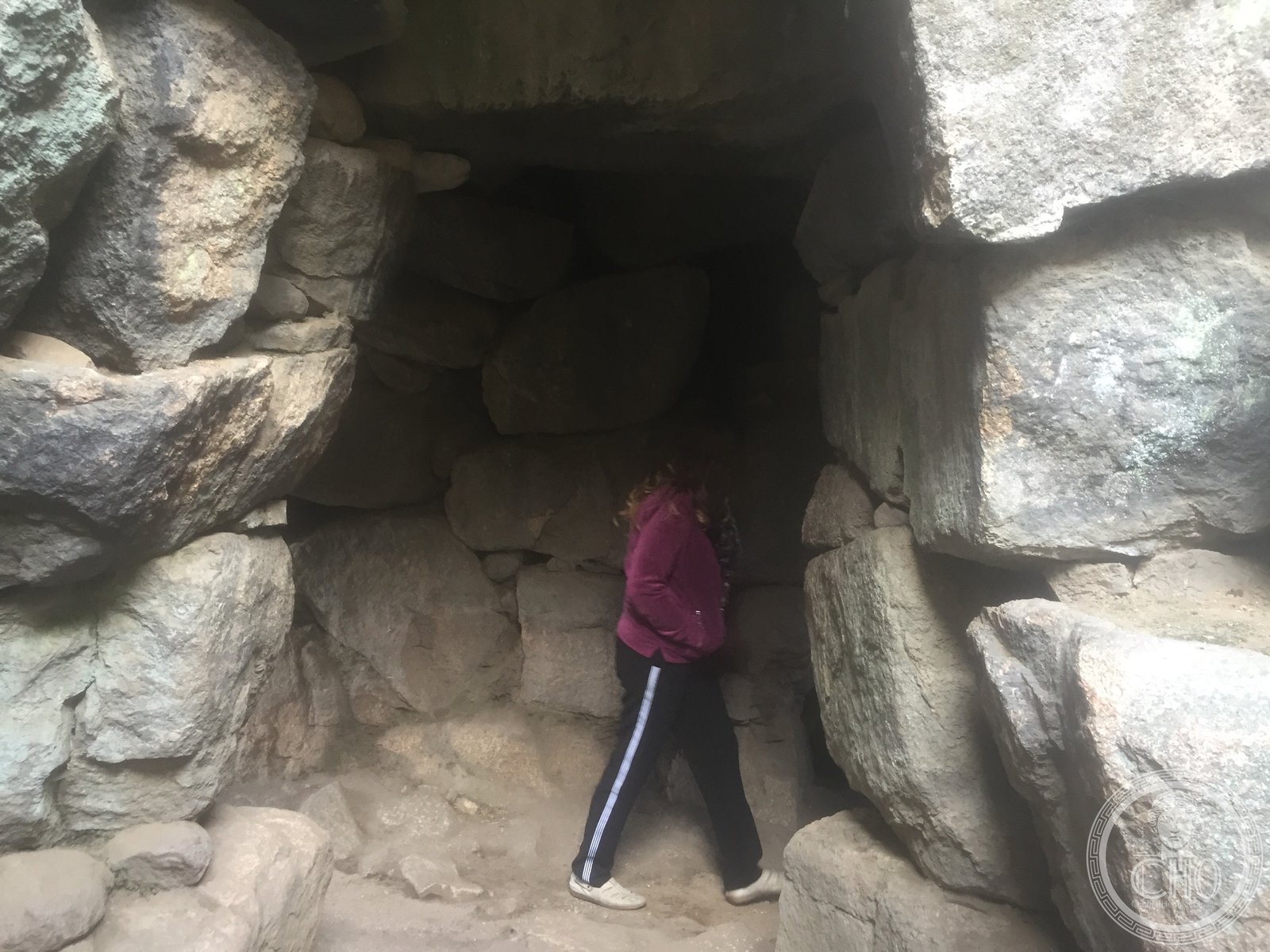
The tower rises from a roughly circular base and features the classic tholos (corbelled dome) interior chamber typical of the most sophisticated nuraghe type. The walls are composed of carefully fitted, large-format basalt blocks that have withstood millennia of weathering. Visitors can examine the entrance passage, the main chamber, and the staircase niches that once led to upper levels. The panoramic view from the summit takes in the wooded ridges of central Sardinia, unchanged in essence since the Bronze Age.
Cultural significance
The nuraghe is a UNESCO-recognised category of monument: the Su Nuraxi di Barumini, the most celebrated example, was inscribed on the World Heritage List in 1997, and Nuraghe Majori belongs to the same singular architectural tradition. These towers are the defining symbol of Sardinian identity and the most visible legacy of a civilisation with no known parallel elsewhere in the ancient Mediterranean.
Practical information
Address: Locality Majori, Orgosolo, Nuoro, Sardinia, Italy.
Access: The site is accessible on foot via local paths; check with the Comune di Orgosolo or local tourist offices for current opening arrangements and guided tour availability.
Admission: Check official website or local tourist board for current fees.
Getting there
Orgosolo is reached by car from Nuoro (approx. 20 km south on the SS129bis). Public bus services connect Nuoro with Orgosolo; from the village centre the nuraghe requires a short drive or hike into the surrounding countryside. Nuoro has the nearest train station with connections to Cagliari and Sassari.
Sources & resources
Gallery
Photographed by Luigi De Marchi.
See the place
Find it on the map
See this place and what’s around it →📷 Become a Cultural Heritage Online photographer
Share your photos of places: they stay published under your name as the author. The more they're seen, the more you get noticed — and soon a contest will reward the most appreciated photos.
Log in or sign up free to add a photo