
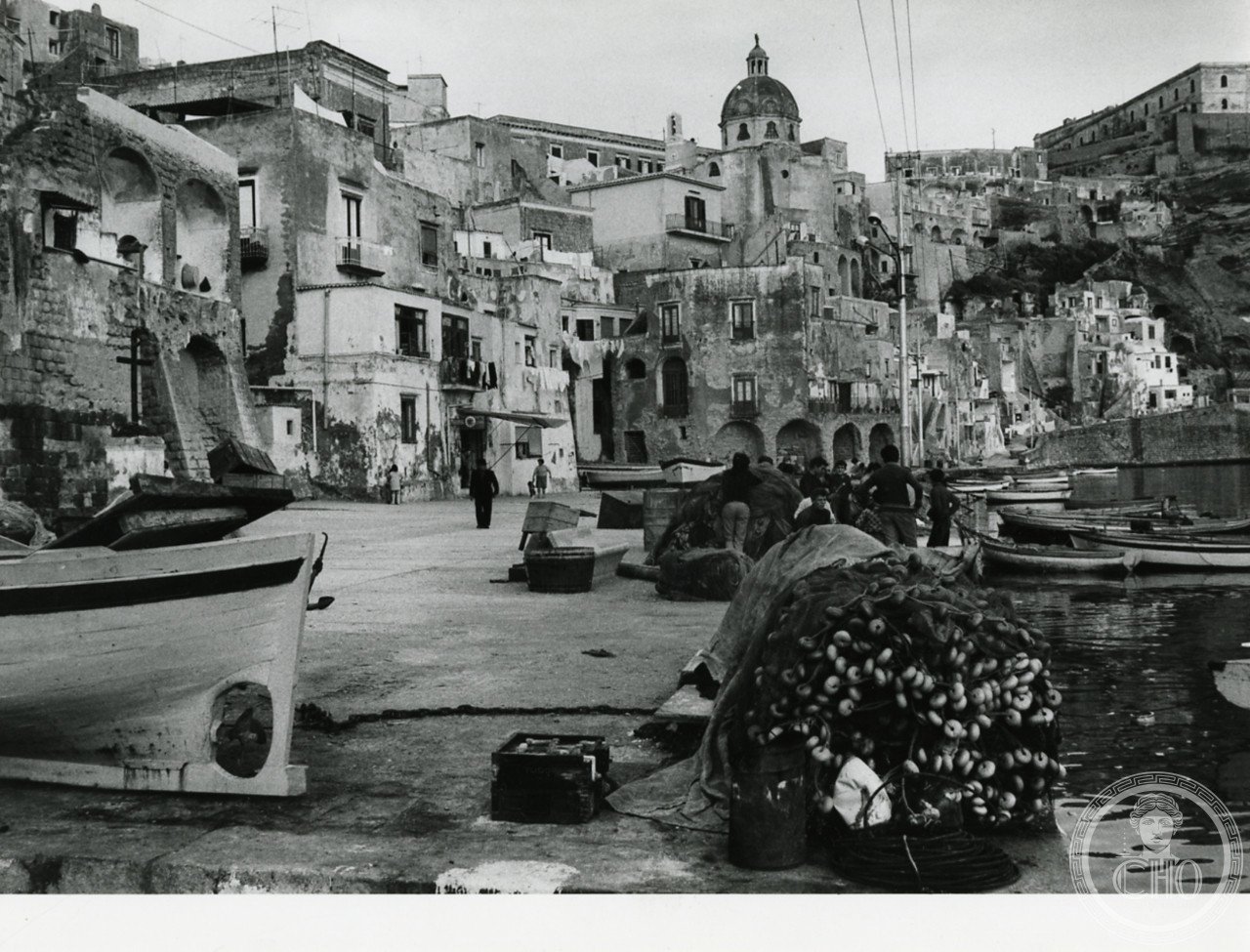
The Sanctuary of Santa Maria delle Grazie Incoronata is a Marian pilgrimage site in the Province of Naples, Campania, dedicated to a venerated image of the Virgin Mary crowned by divine favour. Like many southern Italian sanctuaries, it combines medieval devotional origins with later Baroque elaboration, drawing pilgrims from the Campanian hinterland who come to honour the Incoronata — the Crowned Virgin — and to seek intercession for health, protection, and thanksgiving.
At a glance
- Type
- Marian pilgrimage sanctuary
- Period
- Medieval origins; expanded in early modern and Baroque periods
- Style
- Baroque and vernacular Campanian sacred architecture
- Location
- Province of Naples, Campania, Italy
- Coordinates
- 40.7619° N, 14.0311° E
Overview
The sanctuary is dedicated to the Madonna Incoronata, a title given to miraculous images of the Virgin Mary believed to have been crowned by divine intervention or formally crowned by canonical authority in recognition of their miraculous power. The province of Naples and the broader Campanian region are dotted with such sanctuaries, each associated with a specific sacred image, a founding legend, and a tradition of votive offerings that documents centuries of popular piety. This sanctuary, situated west of Naples near the coast, serves as a focal point for local Marian devotion.
History
Marian sanctuaries in Campania typically trace their origins to a reported apparition or the discovery of a miraculous image, often in a rural or peripheral location, followed by the construction of a chapel and, over subsequent centuries, a more substantial church. The title Incoronata (Crowned) was formally conferred on venerated images through a papal or episcopal coronation ceremony, a practice that spread widely in the Counter-Reformation period as part of the Catholic Church’s affirmation of Marian devotion. The sanctuary’s Baroque fabric reflects patronage from local noble families and religious orders who supported its expansion between the 17th and 18th centuries.
What you see
The sanctuary church presents the characteristic features of Campanian sacred architecture: a decorated facade, a nave lined with votive plaques and ex-votos left by pilgrims over the centuries, and a richly appointed main altar framing the crowned image of the Virgin. Side chapels contain funerary monuments and devotional paintings typical of the Counter-Reformation period. The surrounding precinct may include a sacristy, a cloister or portico, and facilities for pilgrims; the accumulation of votive offerings — silver hearts, crutches, painted ex-votos — forms a vivid archive of popular religious experience.
Cultural significance
The sanctuary represents the living tradition of Marian pilgrimage in Campania, a region whose sacred landscape is inseparable from its cultural identity. The Incoronata cult connects communities to a shared history of prayer and mutual support through hardship, expressed in the accumulated ex-votos and the annual feast-day celebrations that bring together pilgrims from across the province. Such sanctuaries also serve as repositories of local devotional art, craft, and oral tradition that mainstream cultural heritage surveys often overlook.
Practical information
- Address
- Province of Naples, Campania, Italy
- Access
- Open for worship and pilgrimage; access generally free
Getting there
The sanctuary is located in the western Province of Naples, accessible by car from Naples city centre in approximately 30–40 minutes via the tangenziale or the coastal road. Check local bus routes from Naples for public transport options; the area is also served by Circumflegrea or Ferrovia Cumana suburban rail lines depending on the exact location.
Sources & resources
Find it on the map
See this place and what’s around it →📷 Become a Cultural Heritage Online photographer
Share your photos of places: they stay published under your name as the author. The more they're seen, the more you get noticed — and soon a contest will reward the most appreciated photos.
Log in or sign up free to add a photoIs this page about you?
This page is read by travellers and heritage enthusiasts who find it on Google. Tell us how you are connected to this place and we will take it from there.