
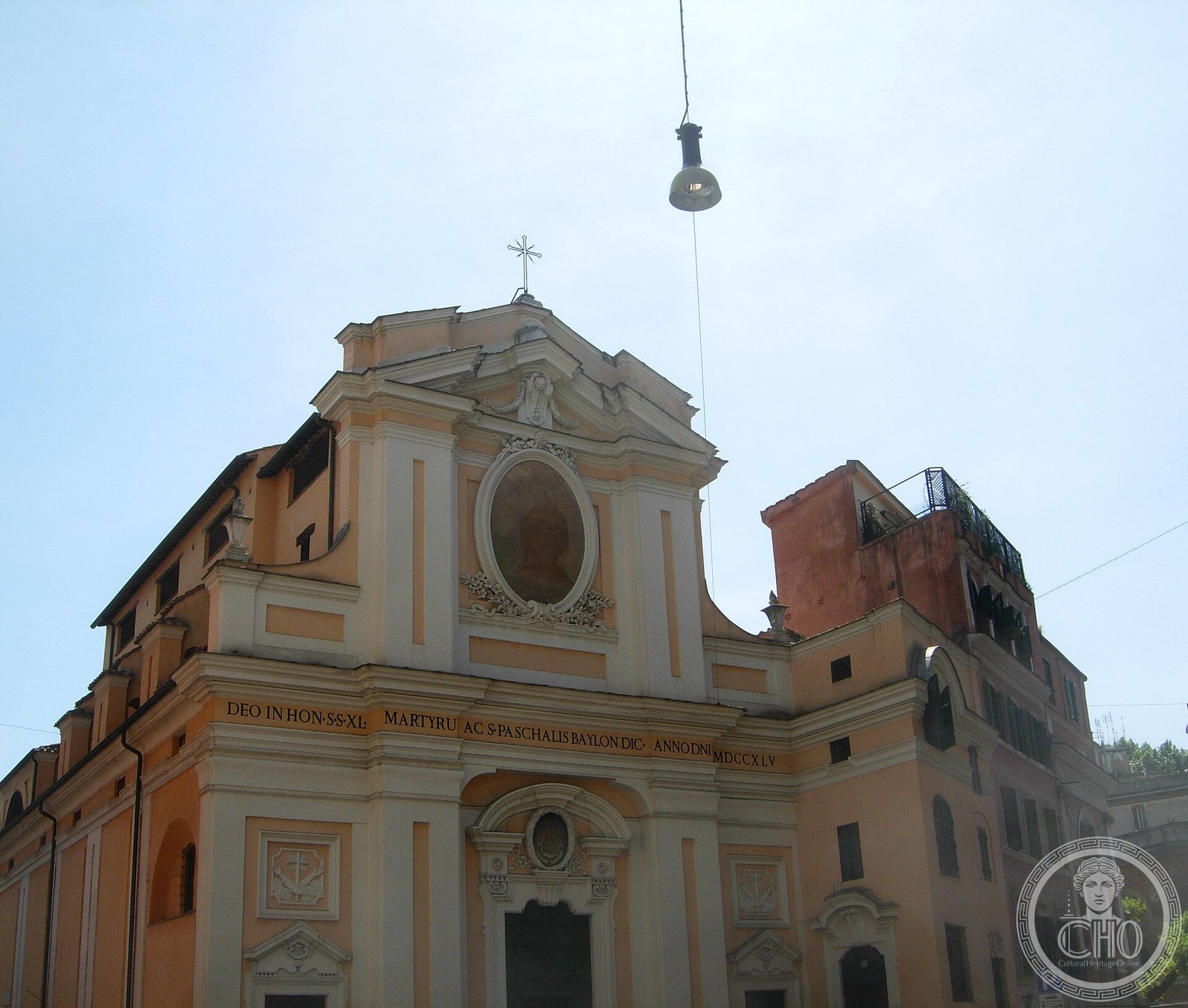
The Archaeological Complex of San Pasquale is a layered archaeological and ecclesiastical site in Rome that preserves remains from the late antique and early medieval periods beneath and around a historic church dedicated to Saint Paschal. The site offers a rare stratigraphic window into the transformation of Rome from classical antiquity through the early Christian era.
At a glance
- Type
- Archaeological complex with early Christian remains
- Period
- Late Antique to medieval
- Style
- Early Christian and Romanesque
- Location
- Rome, Italy
- Coordinates
- 41.8877° N, 12.4718° E
- Current use
- Archaeological site open for study and guided visits
Overview
Rome’s extraordinary archaeological density means that almost every church and historic building conceals layers of earlier occupation. The Complex of San Pasquale is among those sites where systematic excavation has revealed a sequence of structures spanning several centuries, allowing researchers and visitors to trace Rome’s urban continuity from the imperial period through the Christian transformation of the city. Such complexes are central to understanding how Rome reinvented itself as the capital of Western Christianity after the fall of the Western Empire.
History
The site of San Pasquale sits within the broader Roman urban fabric south of the city centre, an area that saw significant development during the late imperial period and underwent Christian reuse from the 4th century onward. Early Christian communities adapted existing structures — insulae, warehouses, bath complexes — to create the first places of worship before purpose-built churches became the norm. The site takes its name from Saint Paschal (Pasquale), a devotion that likely developed in the medieval period as the area was consolidated under ecclesiastical administration. Archaeological investigations have uncovered structural phases corresponding to these successive eras of occupation.
What you see
Visitors to the complex encounter exposed masonry walls and floor surfaces at various levels below the modern ground plane, revealing the characteristic stratigraphy of Rome: Roman concrete and brick construction at the deepest levels, overlaid by early Christian and medieval phases. Carved architectural fragments, remnants of mosaic floors, and inscribed stones may be visible depending on the state of excavation and conservation. The above-ground church fabric, where present, typically shows Romanesque or later construction incorporating ancient spolia — columns, capitals, and reliefs reused from classical buildings.
Cultural significance
Sites like San Pasquale are essential to Roman heritage because they demonstrate the living continuity of the city across more than two millennia. The complex contributes to scholarship on the Christianisation of Rome and the survival of classical building traditions in early medieval architecture, themes that are central to European cultural history.
Practical information
- Address
- Rome RM, Italy (south-central Rome)
- Access
- Access may be by guided tour or appointment only; check the official website or contact the local heritage authority (Soprintendenza Speciale di Roma) for current visiting arrangements.
Getting there
The site is located in south-central Rome, reachable by Metro B (check the nearest station for the specific address) or by bus on routes serving the Ostiense and Testaccio neighbourhoods. Taxis and ride-share services provide door-to-door access. Rome Termini railway station is the main hub for onward connections. No parking is recommended in this central area; visitors should use public transport.
Sources & resources
See the place
Find it on the map
See this place and what’s around it →Historical events at this place (1)
📷 Become a Cultural Heritage Online photographer
Share your photos of places: they stay published under your name as the author. The more they're seen, the more you get noticed — and soon a contest will reward the most appreciated photos.
Log in or sign up free to add a photo