
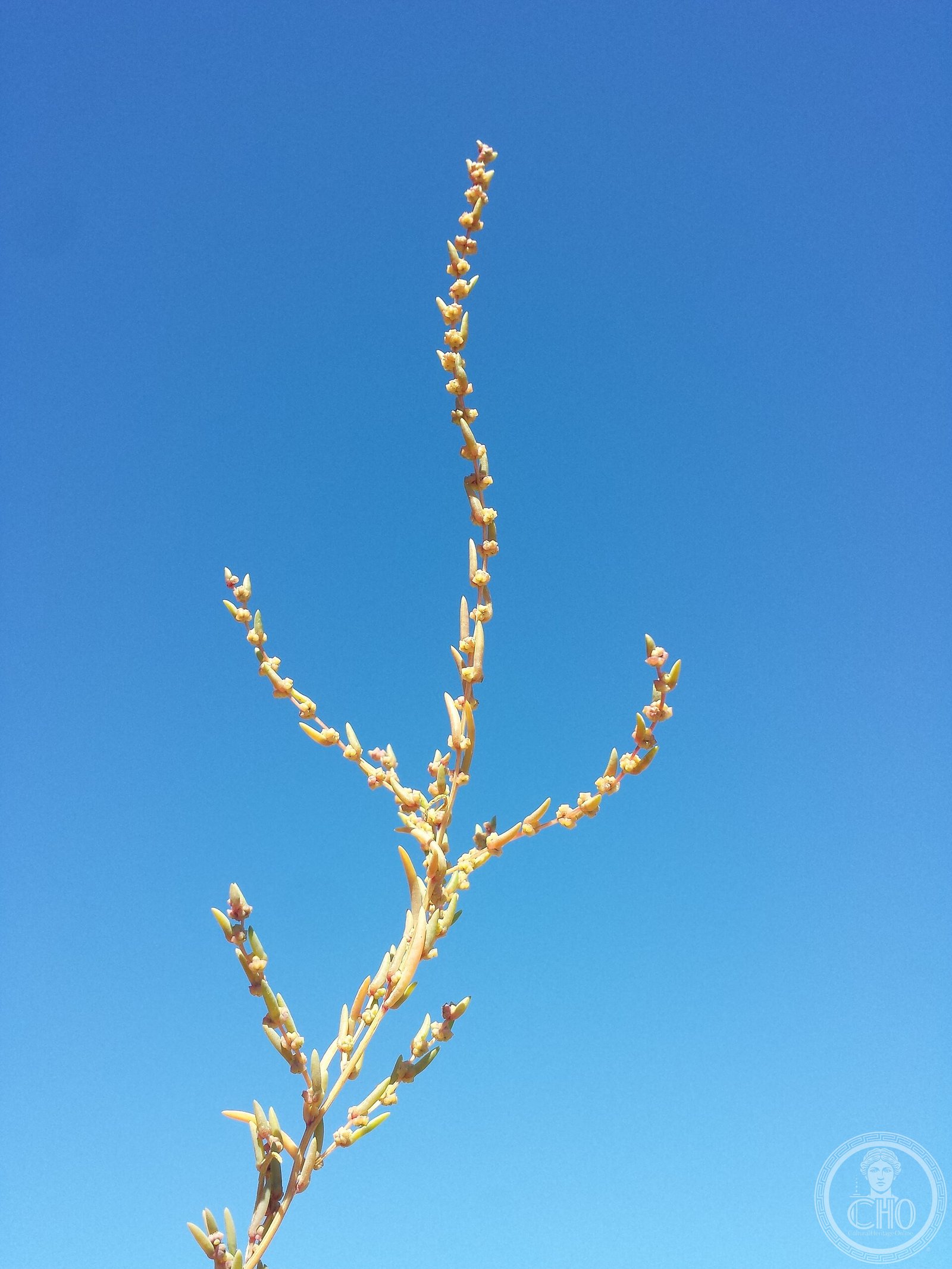
Strunjan is a small coastal settlement within the Municipality of Piran in Slovenia’s Littoral region, set inside the Strunjan Landscape Park — the only protected lagoon on the Slovenian coast. The reserve encompasses salt pans, a flysch cliff coastline, and dense Mediterranean vegetation, making it one of the most biodiverse stretches of the northern Adriatic.
At a glance
- Type
- Coastal nature reserve and landscape park
- Period
- Landscape Park established 1990; salt pans in use since medieval times
- Style
- Protected natural landscape; traditional saltworks
- Location
- Strunjan, Municipality of Piran, Slovenian Istria, Slovenia
- Coordinates
- 45.5313° N, 13.6015° E
Overview
Strunjan Landscape Park covers roughly 430 hectares along the Gulf of Piran, sheltering the last intact lagoon on the Slovenian Adriatic coast. The park combines active saltworks, a 4-kilometre flysch cliff walk, and wetland habitats hosting over 200 bird species. The settlement itself retains the character of a traditional Istrian fishing village, with stone houses clustered above the shore.
History
Salt extraction at Strunjan dates back at least to the 14th century, when Venetian authorities regulated production across the Gulf of Piran alongside the larger Sečovlje saltworks. The area passed through Habsburg administration after the fall of the Venetian Republic in 1797, and subsequently became part of the Kingdom of Italy after World War I. Following World War II it was incorporated into Yugoslavia, and after Slovenian independence in 1991 the landscape park received enhanced legal protection. The salt pans remain partially active today, harvested using centuries-old methods.
What you see
The most dramatic feature is the flysch cliff face rising up to 80 metres above sea level, sculpted by alternating layers of limestone and marl. Below the cliffs, a narrow pebble beach borders the lagoon, whose shallow waters turn vivid green in summer. The salt pans are divided into geometric evaporation basins edged with low stone ridges, and the surrounding wetland reed beds form a visible buffer between the saltworks and the open sea. A marked trail loops through the park, passing a small 15th-century Franciscan church dedicated to the Annunciation on the hill above the settlement.
Cultural significance
Strunjan represents the last surviving example of an Istrian lagoon ecosystem, a landscape type once common along the entire northern Adriatic but largely lost to development. The saltworks preserve a living tradition of hand-harvested sea salt that connects the local community to Venetian-era maritime culture. The park is a designated Natura 2000 site, recognised for both its ecological and cultural heritage value.
Practical information
- Address
- Strunjan, 6320 Portorož, Slovenia
- Access
- Open access to trails year-round; saltworks and visitor centre seasonal — check official website for current hours
- Admission
- Free for trail access; check official website for guided tour fees
Getting there
Strunjan lies 5 km east of Piran and 3 km west of Portorož. Local bus services connect Piran and Portorož year-round, with stops near the park entrance. By car, follow the coastal road from Portorož toward Piran; a small car park is available at the park boundary. The Koper–Piran cycling and walking path passes through the area.
Sources & resources
See the place
Find it on the map
See this place and what’s around it →📷 Become a Cultural Heritage Online photographer
Share your photos of places: they stay published under your name as the author. The more they're seen, the more you get noticed — and soon a contest will reward the most appreciated photos.
Log in or sign up free to add a photo