
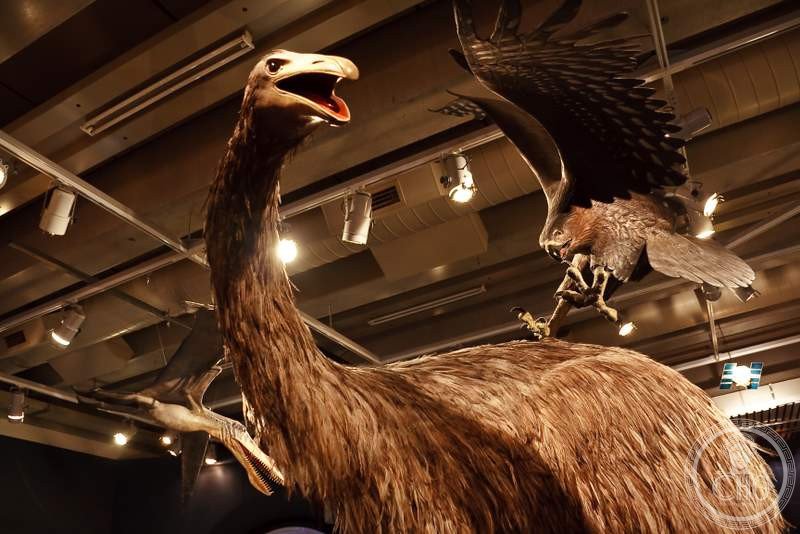
Te Papa Tongarewa — “Our Place” in Māori — is New Zealand’s national museum and art gallery, located on the Wellington waterfront. Established in 1992 and opened on 14 February 1998, the 36,000-square-metre building designed by Jasmax Architects houses more than 800,000 collection items spanning natural history, Pacific cultures, Māori taonga, decorative arts, and contemporary New Zealand identity. It welcomes approximately 1.5 million visitors annually and operates on bicultural principles rooted in the Treaty of Waitangi, featuring a traditional Rongomaraeroa marae at its heart.
At a glance
- Type
- National museum and art gallery
- Period
- Established 1992; opened 14 February 1998
- Style
- Contemporary; earthquake-isolated base construction on reclaimed waterfront land
- Location
- Cable Street, Wellington, New Zealand
- Coordinates
- 41.2905° S, 174.7799° E
Overview
Te Papa is the largest museum in New Zealand and one of the most visited in the Southern Hemisphere, ranked 58th among the world’s most-visited art galleries in 2023. The institution holds the world’s largest known specimen of the colossal squid, weighing 495 kilograms, alongside 250,000 dried plant specimens, 70,000 bird specimens, 13,000 Pacific Island items, and significant fossil collections. General admission is free for New Zealand residents.
History
The museum was established by the Museum of New Zealand Te Papa Tongarewa Act 1992, which merged the former National Museum and the National Art Gallery. Construction required moving a five-storey hotel 200 metres to clear the waterfront site. After six years of construction at a cost of NZ$300 million, Te Papa opened to the public in February 1998 to widespread public enthusiasm. Its bicultural mandate — giving equal standing to Māori and Pākehā perspectives — represented a significant shift in New Zealand’s approach to national heritage institutions.
What you see
The building’s six floors contain permanent galleries devoted to New Zealand’s geological origins, Pacific cultures, Māori history, colonial and contemporary art, and natural history. The Rongomaraeroa marae, with its traditional whakairo (carved panels) and tukutuku (woven latticework), is a fully functioning marae open to visitors and used for community ceremonies. Historical textile collections date to the sixteenth century, and the Elgar Collection presents English and French furniture and paintings from the seventeenth century onward. Innovative base isolation engineering protects the entire structure against Wellington’s frequent seismic activity.
Cultural significance
Te Papa’s bicultural framework — enshrined in its founding legislation — makes it a global model for postcolonial museum practice, giving Māori communities co-governance over the presentation of their taonga. The museum’s commitment to living culture rather than static display has influenced heritage institutions across the Pacific and beyond.
Practical information
- Address
- Cable Street, Wellington 6011, New Zealand
- Admission
- Free for New Zealand residents; check official website for special exhibition fees
- Website
- tepapa.govt.nz
Getting there
Te Papa is located on the Wellington waterfront, a short walk south from Courtenay Place and the central bus hub. Multiple city bus routes stop nearby. The museum is easily reached on foot from Wellington Railway Station in approximately fifteen minutes along the waterfront promenade.
Sources & resources
See the place
Find it on the map
See this place and what’s around it →📷 Become a Cultural Heritage Online photographer
Share your photos of places: they stay published under your name as the author. The more they're seen, the more you get noticed — and soon a contest will reward the most appreciated photos.
Log in or sign up free to add a photoIs this page about you?
This page is read by travellers and heritage enthusiasts who find it on Google. Tell us how you are connected to this place and we will take it from there.