
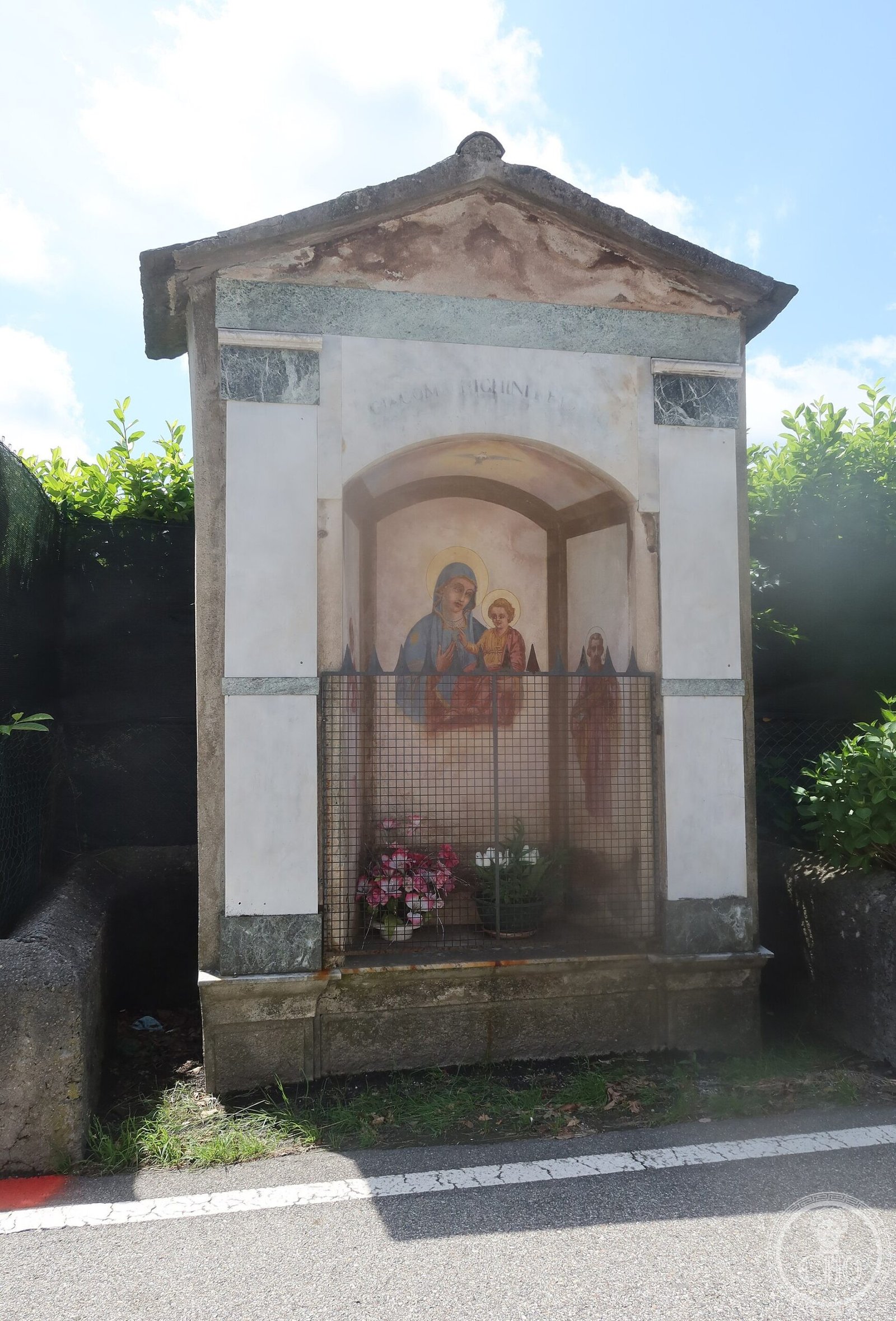
The Umbrella and Parasol Museum in Gignese, a small village on the slopes above Lake Maggiore, is a singular institution dedicated to the history of one of the world’s most universally used everyday objects. Founded in 1939, it holds one of the most extensive collections of historic umbrellas and parasols in Europe, tracing five centuries of design, craft, and social significance. Gignese is itself historically tied to the umbrella trade, having been for generations a source of skilled craftsmen and itinerant merchants who carried their wares across Europe.
At a glance
- Type
- Specialised decorative arts museum — history of umbrellas and parasols
- Period
- Collection spans 16th century to present; museum founded 1939
- Style
- Local museum in Piedmontese village setting
- Location
- Gignese, Province of Verbano-Cusio-Ossola, Piedmont, Italy
- Coordinates
- 45.8618° N, 8.5104° E
Overview
The Museo dell’Ombrello e del Parasole in Gignese is one of the most unusual specialised museums in northern Italy, devoted entirely to the cultural, technical, and social history of the umbrella. The collection encompasses luxury parasols with handles of ivory, tortoiseshell, and precious metals; robust working umbrellas from the 19th century; and exceptional examples of the umbrella-maker’s craft spanning five hundred years. The museum also documents the broader history of the ombrellai, the skilled itinerant craftsmen from the Lago Maggiore area who travelled Europe selling and repairing umbrellas for centuries.
History
Gignese and the surrounding villages of the Piedmontese lake district became associated with the umbrella trade from at least the 16th century, when local craftsmen began producing and selling umbrellas as a seasonal occupation, travelling as far as France, England, and Central Europe. This tradition of the ombrellai became central to local identity and economy. The museum was established in 1939 to preserve this heritage, and its founding collection drew on donations from local families and the regional craft community. Over subsequent decades the collection grew to encompass examples from across Europe and Asia, reflecting the global reach of umbrella design and manufacture.
What you see
The museum’s display cases present umbrellas and parasols arranged by period and type, from 16th-century specimens to elaborate Belle Époque parasols with folding handles and silk canopies. Highlights include parasols with carved ivory handles decorated with miniatures, umbrellas belonging to historical figures, and rare examples of Japanese and Chinese influence on European parasol design. Tools of the craft — frames, stretchers, rib-bending implements, and fabric samples — document the technical dimension of umbrella making. Photographs and archival material record the lives and journeys of the Gignese ombrellai across the continent.
Cultural significance
The Umbrella and Parasol Museum preserves an aspect of European material culture and craft heritage that is rarely addressed by mainstream institutions, yet reflects centuries of artisanal skill, commercial ingenuity, and everyday social history. The museum documents a distinctly local tradition of the ombrellai that shaped the economic and cultural identity of the Lake Maggiore hinterland. For historians of craft, design, and social history, the collection is an irreplaceable primary resource.
Practical information
- Address
- Via Felice Cavallotti, Gignese, Verbano-Cusio-Ossola, Piedmont, Italy
- Opening hours
- Typically open April–October; check official sources for current times and days
- Admission
- Paid entry; modest fee
Getting there
Gignese is located above Stresa on Lake Maggiore, approximately 80 km north-west of Milan. By rail, take the Domodossola line to Stresa, then a local bus or taxi to Gignese (approximately 8 km uphill). The historic Stresa–Mottarone rack railway formerly served the area; visitors should check for current local transport options. By road, Gignese is reached via the SS 33 to Stresa then the SP 40 mountain road.
Sources & resources
See the place
Find it on the map
See this place and what’s around it →📷 Become a Cultural Heritage Online photographer
Share your photos of places: they stay published under your name as the author. The more they're seen, the more you get noticed — and soon a contest will reward the most appreciated photos.
Log in or sign up free to add a photoIs this page about you?
This page is read by travellers and heritage enthusiasts who find it on Google. Tell us how you are connected to this place and we will take it from there.