
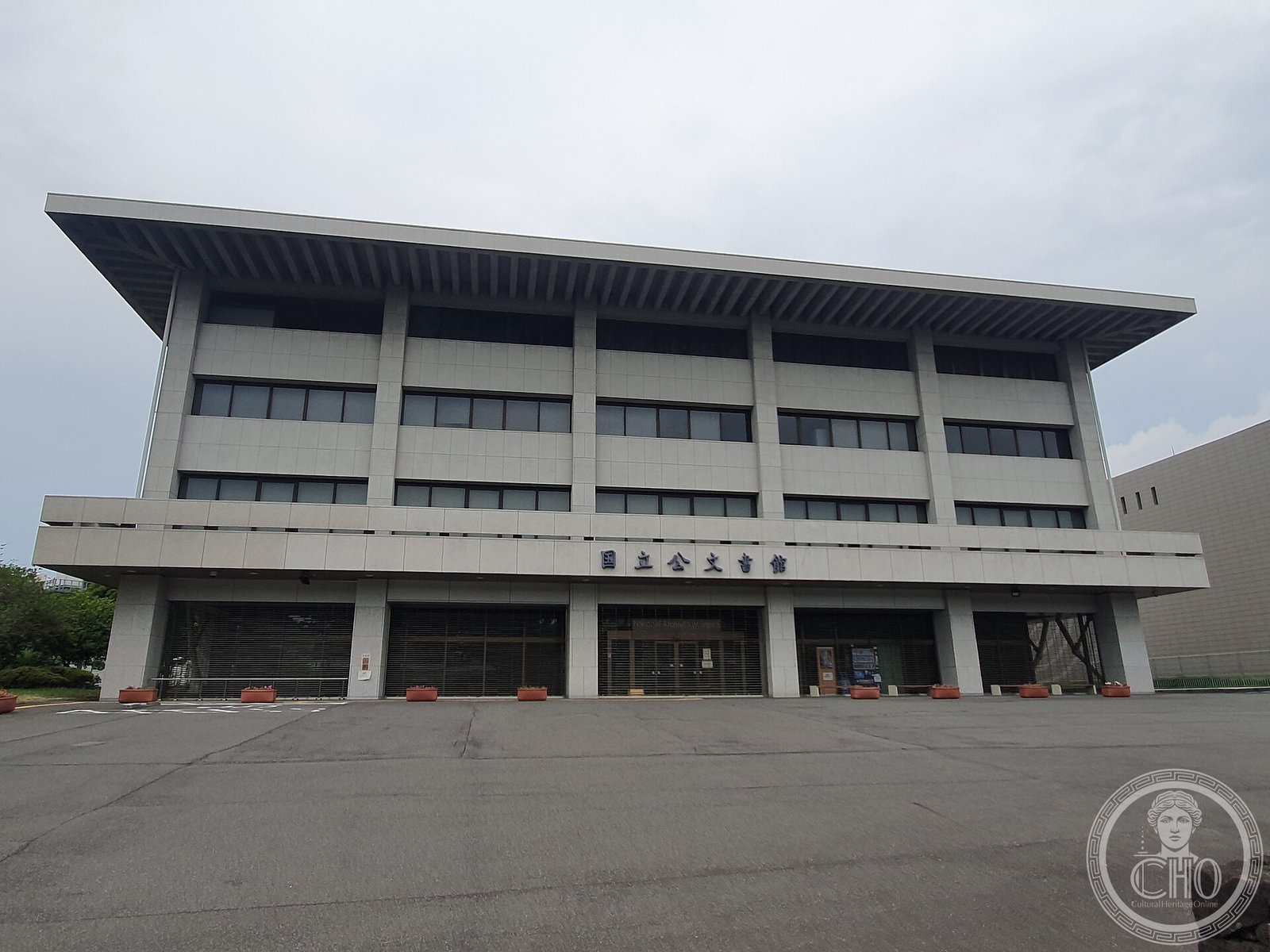
The National Museum of Modern Art, Tokyo — known by its acronym MOMAT — is Japan’s foremost public institution collecting and exhibiting modern Japanese art, housed in a purpose-built building in the Kitanomaru Park area of Chiyoda, central Tokyo. Established in 1952 as Japan’s first national art museum dedicated to modern art, MOMAT holds a collection of approximately 13,000 works spanning Western-style Yōga painting, traditional Nihonga, sculpture, crafts, and design from the Meiji era through to the present day.
At a glance
- Type
- National museum of modern and contemporary art
- Period
- Established 1952; present building opened 1969; collection c. 1868–present
- Style
- Modernist reinforced concrete building; Yoshirō Taniguchi architect (1969)
- Location
- 3-1 Kitanomaru Koen, Chiyoda-ku, Tokyo 102-8322, Japan
- Coordinates
- 35.6904° N, 139.7545° E
Overview
MOMAT occupies a prominent position within Kitanomaru Park, adjacent to the Imperial Palace East Garden and the Nippon Budokan, and its collection is considered the most comprehensive survey of modern Japanese art in existence. The museum presents both Western-influenced Yōga works and traditional Nihonga painting alongside prints, photographs, and new media, tracing the creative tensions that shaped Japanese art from the Meiji period’s encounter with the West through the turbulent 20th century and into the contemporary era. A branch facility, the National Crafts Museum, is located in Kanazawa and focuses on applied arts and design.
History
Japan’s Agency for Cultural Affairs founded MOMAT in 1952, initially housing it in a building designed by Kunio Maekawa in Kyobashi, Tokyo. As the collection grew substantially through the 1960s, a new building was commissioned from architect Yoshirō Taniguchi and opened in Kitanomaru Park in 1969. Taniguchi’s son Yoshio Taniguchi — who later redesigned the Museum of Modern Art in New York — designed a major expansion of MOMAT completed in 1999. The museum has continued to acquire works steadily, building one of the most important holdings of 20th-century Japanese painting and sculpture.
What you see
The permanent collection gallery on the top three floors presents a rotating selection of approximately 200 works from the 13,000-piece collection, arranged roughly chronologically from the Meiji era to recent decades. Highlights include key works of the Yōga Western-style movement, the Nihonga school of modernised traditional painting, post-war avant-garde movements, and contemporary Japanese artists. The fourth floor hosts the MOMAT Collection rooms with changing thematic displays, while the ground floor gallery spaces are reserved for major temporary exhibitions of both Japanese and international art.
Cultural significance
MOMAT is the institutional backbone of Japan’s modern art canon, both preserving works and shaping how modern Japanese art history is taught and understood. Its collection bridges the Meiji moment of cultural transformation — when Japan deliberately absorbed Western artistic techniques — and the subsequent assertion of a distinctly Japanese modern identity. The museum’s location beside the Imperial Palace gives it symbolic weight as the nation’s flagship institution for artistic heritage of the modern period.
Practical information
- Address
- 3-1 Kitanomaru Koen, Chiyoda-ku, Tokyo 102-8322
- Hours
- Tuesday–Sunday, 10:00–17:00 (Fridays and Saturdays until 20:00); check official website for updates
- Admission
- Paid admission; free on specific days; reduced rates for students and seniors
- Website
- momat.go.jp
Getting there
The museum is a five-minute walk from Takebashi Station on the Tokyo Metro Tozai line, and also accessible from Kudanshita Station (Tozai, Hanzomon, and Shinjuku lines) via the Kitanomaru Park path through Nippon Budokan. It is approximately a 15-minute walk from Tokyo Station’s Marunouchi North exit. The park location makes it pleasant to combine with a stroll to the Imperial Palace East Garden.
Sources & resources
See the place
Find it on the map
See this place and what’s around it →📷 Become a Cultural Heritage Online photographer
Share your photos of places: they stay published under your name as the author. The more they're seen, the more you get noticed — and soon a contest will reward the most appreciated photos.
Log in or sign up free to add a photoIs this page about you?
This page is read by travellers and heritage enthusiasts who find it on Google. Tell us how you are connected to this place and we will take it from there.