
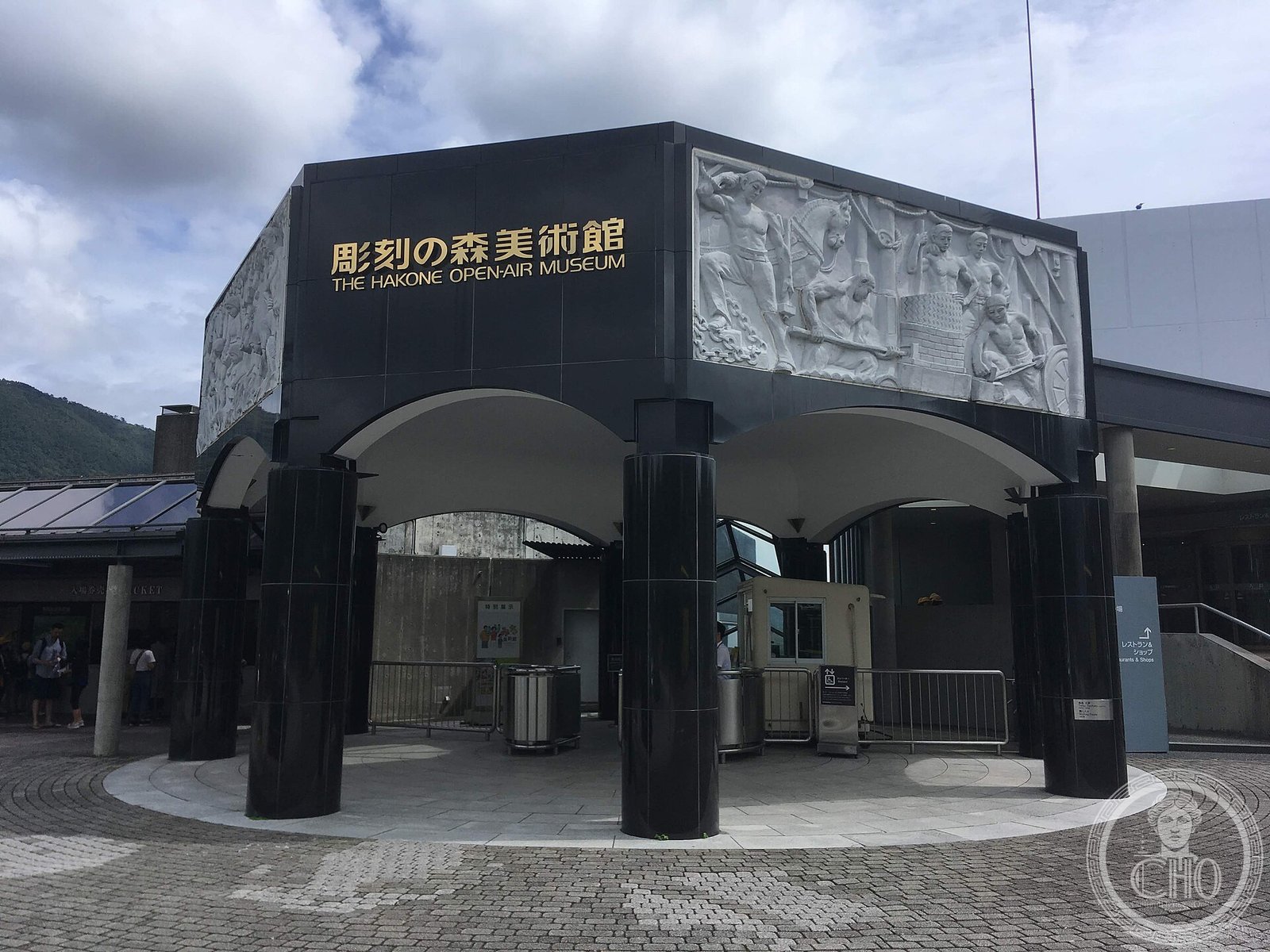
The Hakone Open-Air Museum is Japan’s first and most celebrated open-air museum, opened in 1969 in the forested volcanic landscape of Hakone, Kanagawa Prefecture. Set across a sweeping outdoor park and several indoor galleries, the museum’s permanent collection of more than 1,000 works encompasses sculpture by Pablo Picasso, Henry Moore, Constantin Brancusi, Barbara Hepworth, and leading Japanese masters, displayed against the dramatic backdrop of the Hakone mountains and natural hot spring steam vents.
At a glance
- Type
- Open-air sculpture museum with indoor galleries
- Period
- Opened 1969
- Style
- Landscaped outdoor museum; modernist and contemporary sculpture
- Location
- Ninotaira, Hakone, Ashigarashimo District, Kanagawa Prefecture, Japan
- Coordinates
- 35.2450° N, 139.0510° E
Overview
The Hakone Open-Air Museum was Japan’s pioneer institution in the open-air museum format, presenting large-scale sculpture in a natural outdoor setting rather than within the confines of a conventional gallery. It is affiliated with the Fujisankei Communications Group and has grown to host over 1,000 pieces, with approximately 120 sculptural works on permanent outdoor display across its expansive park. Its unique combination of world-class art, mountain scenery, and geothermal features has made it one of the most visited cultural attractions in the Hakone region.
History
Opened on 31 July 1969, the Hakone Open-Air Museum was a pioneering experiment in presenting art in dialogue with the natural environment. Its founders were inspired by the open-air museum movement that had taken hold in postwar Europe, particularly the Middelheim Museum in Antwerp and the Louisiana Museum in Denmark. The Hakone site was chosen for its scenic beauty within the Fuji-Hakone-Izu National Park. Over subsequent decades the museum expanded its collection and facilities, adding dedicated indoor pavilions including the celebrated Picasso Pavilion, which houses over 300 works by the Spanish master.
What you see
The outdoor park presents sculptures distributed across lawns, wooded paths, and terraced hillsides, creating intimate encounters with works at varying scales and in changing light conditions. Highlights include monumental bronzes by Henry Moore, abstract forms by Barbara Hepworth and Constantin Brancusi, and dynamic kinetic sculptures by Susumu Shingu. The Picasso Pavilion is a museum within the museum, with ceramics, paintings, sculptures, and graphic works spanning the full arc of Picasso’s career. A foot bath fed by natural hot spring water within the grounds allows visitors to soak their feet while surrounded by sculpture — a distinctly Japanese touch that has become one of the museum’s most beloved features.
Cultural significance
The Hakone Open-Air Museum demonstrated to Japan and the wider world that serious art could thrive in outdoor settings accessible to a broad public, helping to democratise engagement with modern sculpture. Its integration of international and Japanese masters — including Taro Okamoto, Rokuzan Ogiwara, and Kotaro Takamura — reflects the postwar dialogue between Japanese artistic tradition and Western modernism. The museum has influenced the establishment of open-air sculpture parks throughout Japan and East Asia.
Practical information
- Address
- 1121 Ninotaira, Hakone, Ashigarashimo District, Kanagawa 250-0493, Japan
- Hours
- Open daily; check official website for current hours and seasonal variations
- Admission
- Ticketed; check official website for current prices
- Website
- hakone-oam.or.jp
Getting there
The museum is directly accessible from Chokoku-no-Mori Station on the Hakone Tozan Railway, which connects to Odawara Station (Shinkansen and JR Tokaido Line from Tokyo) via a scenic mountain railway. From Odawara the journey takes approximately 35 minutes. The Hakone Freepass provides unlimited travel on Hakone’s mountain railways, buses, and ropeways and is the most economical option for visitors combining the museum with wider Hakone sightseeing.
Sources & resources
See the place
Find it on the map
See this place and what’s around it →📷 Become a Cultural Heritage Online photographer
Share your photos of places: they stay published under your name as the author. The more they're seen, the more you get noticed — and soon a contest will reward the most appreciated photos.
Log in or sign up free to add a photoIs this page about you?
This page is read by travellers and heritage enthusiasts who find it on Google. Tell us how you are connected to this place and we will take it from there.