
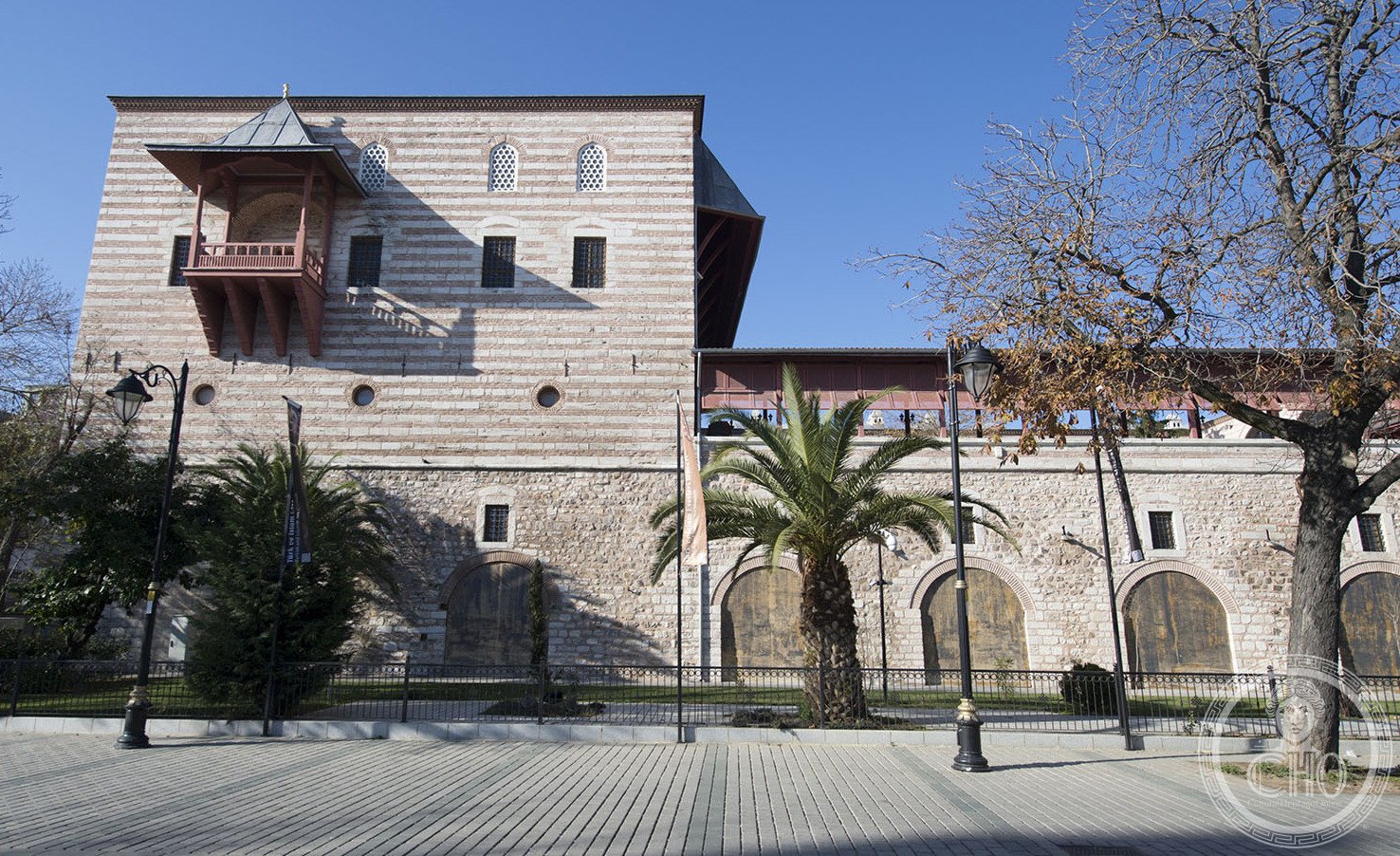
The Museum of Turkish and Islamic Arts (Türk ve İslam Eserleri Müzesi) is one of the world’s foremost collections of Islamic art, housed since 1983 in the 16th-century palace of Pargalı Ibrahim Pasha on Sultanahmet Square in Istanbul. First established in 1914 within the Süleymaniye Mosque complex, the museum holds over 40,000 objects spanning thirteen centuries of Islamic civilisation — from Quranic manuscripts and Seljuk carpets to Anatolian ethnographic reconstructions. Its setting in the palace of Suleiman the Magnificent’s grand vizier adds a remarkable layer of historical depth to every visit.
At a glance
- Type
- State museum of Islamic art and ethnography
- Period
- Founded 1914; present building constructed 1524; museum relocated here 1983
- Style
- Ottoman palace architecture (16th century); collections span 7th–20th century Islamic art
- Location
- Sultanahmet Meydanı (Hippodrome), Fatih, Istanbul, Turkey
- Coordinates
- 41.0063° N, 28.9749° E
- Administered by
- Republic of Turkey, Ministry of Culture and Tourism
Overview
The Museum of Turkish and Islamic Arts occupies the Ibrahim Pasha Palace, the only surviving example of a non-royal Ottoman residence from the classical period, situated directly across the Hippodrome from the Blue Mosque. Its collections encompass Islamic calligraphy, Anatolian and Persian carpets (including the world’s oldest dated carpet, the Seljuk Alaeddin Carpet), ceramic tiles, metalwork, glass, and manuscripts from across the Islamic world. The museum is equally celebrated for its ethnographic section, which reconstructs domestic interiors of nomadic and settled communities from different regions and centuries of Anatolia.
History
The museum’s origins lie in 1914, when the Ottoman government established an Islamic arts collection within the Süleymaniye Mosque complex — one of the first serious efforts in the Ottoman Empire to institutionalise the preservation of Islamic cultural heritage. After the founding of the Turkish Republic the collection was expanded and managed by the state. In 1983 it was relocated to the Ibrahim Pasha Palace, a building constructed in 1524 for Pargalı Ibrahim Pasha, the close confidant and first grand vizier of Suleiman the Magnificent, who was later executed in 1536. The palace had served various administrative functions across the centuries before being converted into a world-class museum space.
What you see
Visitors encounter an extraordinary range of objects: illuminated Qurans and calligraphic panels, prayer rugs and monumental flat-woven kilims, Iznik tiles, bronze lamps, carved wooden minbar panels, and inlaid metalwork from Egypt, Syria, Iran, and Central Asia. The carpet collection is among the finest in the world, anchored by fragments of the 13th-century Seljuk carpets discovered in the Alaeddin Mosque of Konya. The ethnographic halls on the lower floor reconstruct complete living environments — a black goat-hair nomad tent, a stone farmhouse interior, a Southeastern Anatolian dwelling — providing vivid context for the objects displayed above.
Cultural significance
As one of the largest collections of Islamic art under a single roof, the museum serves as a critical resource for scholars, conservators, and students of Islamic civilisation worldwide. Its location on the Hippodrome, steps from Hagia Sophia and the Blue Mosque, places it at the symbolic centre of Istanbul’s world-heritage zone. The Ibrahim Pasha Palace itself is recognised as an outstanding monument of Ottoman civil architecture and contributes to the UNESCO World Heritage listing of Istanbul’s historic areas.
Practical information
- Address
- Binbirdirek Mah. At Meydanı Cd. No. 46, 34122 Fatih/İstanbul, Turkey
- Opening hours
- Tuesday–Sunday 09:00–19:00 (summer); 09:00–17:00 (winter). Closed Mondays. Check official website for current hours and admission prices.
- Website
- tiem.gov.tr
Getting there
The museum is located on Sultanahmet Square (the Hippodrome) in the heart of Istanbul’s historic peninsula. The nearest tram stop is Sultanahmet on the T1 line, approximately 200 metres away. The area is also accessible on foot from Eminönü ferry terminal (15 minutes) and from the Grand Bazaar (10 minutes). Street parking is limited; public transport is strongly recommended.
Sources & resources
See the place
Find it on the map
See this place and what’s around it →📷 Become a Cultural Heritage Online photographer
Share your photos of places: they stay published under your name as the author. The more they're seen, the more you get noticed — and soon a contest will reward the most appreciated photos.
Log in or sign up free to add a photoIs this page about you?
This page is read by travellers and heritage enthusiasts who find it on Google. Tell us how you are connected to this place and we will take it from there.