
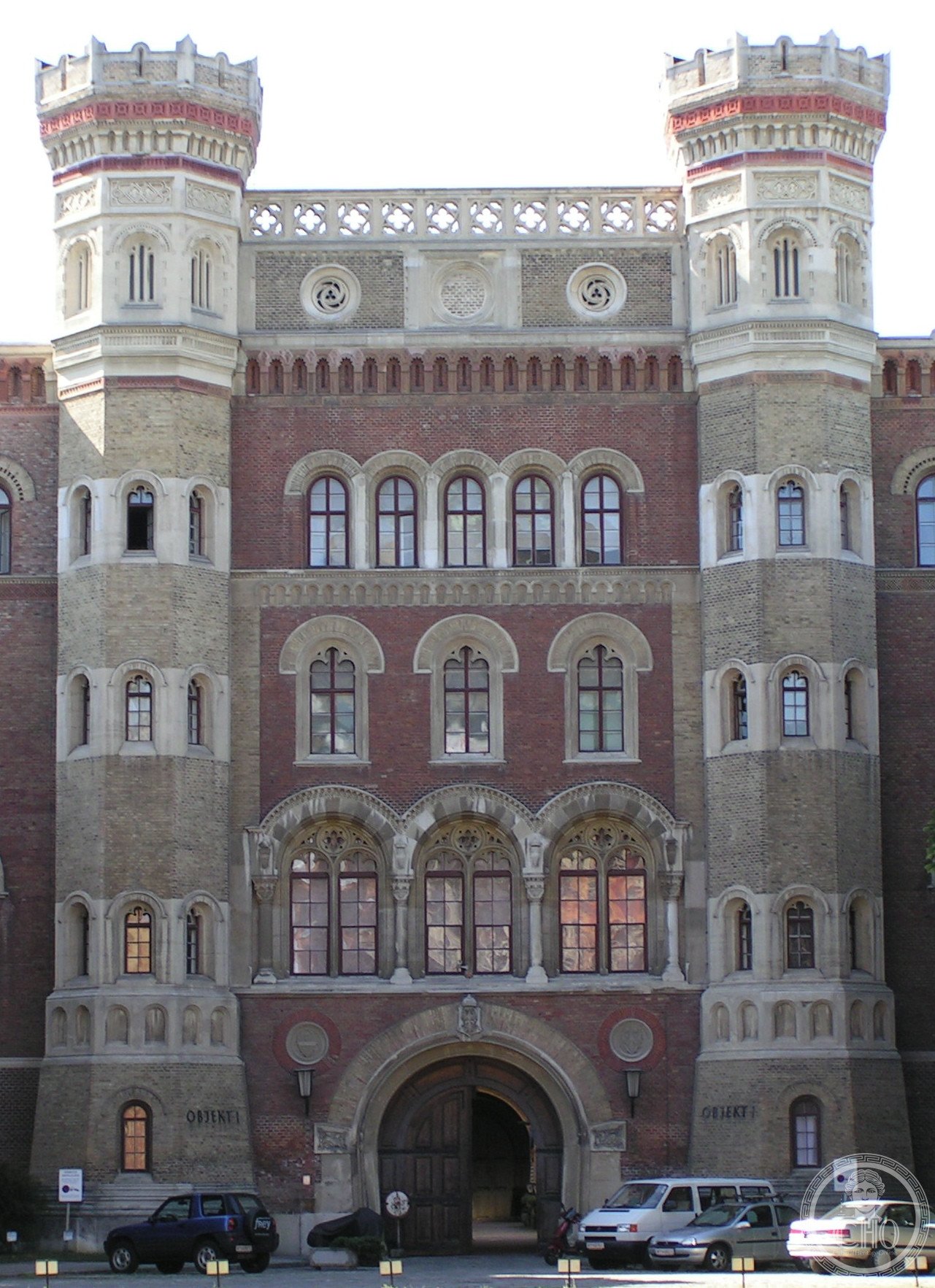
The Museum of Military History in Vienna is the leading museum of the Austrian Armed Forces, documenting over five centuries of Austrian military affairs through weapons, armour, uniforms, paintings, medals, and historical documents. Housed in the Arsenal complex built in 1856, it is one of the oldest purpose-built museums in Austria and holds internationally significant collections related to the Habsburg Empire and the events surrounding the First World War.
At a glance
- Type
- Military and history museum
- Period
- Building completed 1856; collections span 16th century to present
- Style
- Historicist architecture (Byzantine-Moorish revival)
- Location
- Arsenal, Vienna, Austria · 48.1843° N, 16.3867° E
Overview
The Museum of Military History – Military History Institute (Heeresgeschichtliches Museum) is owned by the Austrian Federal Government and operates as a subordinate agency of the Ministry of Defence. Its holdings include weapons, armour, tanks, aeroplanes, uniforms, flags, paintings, medals, photographs, battleship models, and documents spanning half a millennium of Austrian military experience. The museum is not affiliated with the Federal Museums of Austria but maintains a distinct institutional identity rooted in its role as the official custodian of military heritage.
History
The Arsenal complex, within which the museum sits, was constructed between 1849 and 1856 on the orders of Emperor Franz Joseph I following the revolutionary upheaval of 1848. The museum building itself was designed by Theophil Hansen and Ludwig Förster in an eclectic historicist style blending Byzantine and Moorish influences. It opened to the public in 1891, making it one of the first purpose-built museums dedicated to military history anywhere in the world. Among its most historically charged exhibits is the car in which Archduke Franz Ferdinand was riding when he was assassinated in Sarajevo in 1914, an event that triggered the First World War.
What you see
The museum occupies two floors of a grand hall decorated with frescoes and marble. Permanent galleries cover the Thirty Years’ War, the Ottoman wars, the Napoleonic era, the revolutions of 1848, and the First and Second World Wars. The Sarajevo room displays the blood-stained uniform worn by Franz Ferdinand on the day of his assassination alongside the Gräf & Stift touring car targeted by Gavrilo Princip. Outdoor courtyards display artillery pieces, tanks, and armoured vehicles from different periods, while interior halls hold a remarkable collection of banners, battle paintings, and scale models of historic fortresses.
Cultural significance
As the primary repository of Austrian military memory, the museum bridges the Habsburg imperial legacy with the modern republic, offering a rare unbroken institutional perspective on war and statecraft from the sixteenth century onward. The Sarajevo exhibits in particular attract international visitors seeking to understand the origins of the First World War, cementing the museum’s position as a site of global historical memory rather than merely national commemoration.
Practical information
- Address
- Ghegastraße 1, 1030 Vienna, Austria
- Opening hours
- Check official website for current hours
- Admission
- Check official website for current pricing
- Website
- hgm.at
Getting there
The museum is accessible via Vienna’s public transport network. Take the U1 subway line to Südtiroler Platz–Hauptbahnhof station, then walk approximately ten minutes through the Arsenal grounds. Several tram lines also serve the area. The complex has parking available for visitors arriving by car.
Sources & resources
See the place
Find it on the map
See this place and what’s around it →📷 Become a Cultural Heritage Online photographer
Share your photos of places: they stay published under your name as the author. The more they're seen, the more you get noticed — and soon a contest will reward the most appreciated photos.
Log in or sign up free to add a photo