
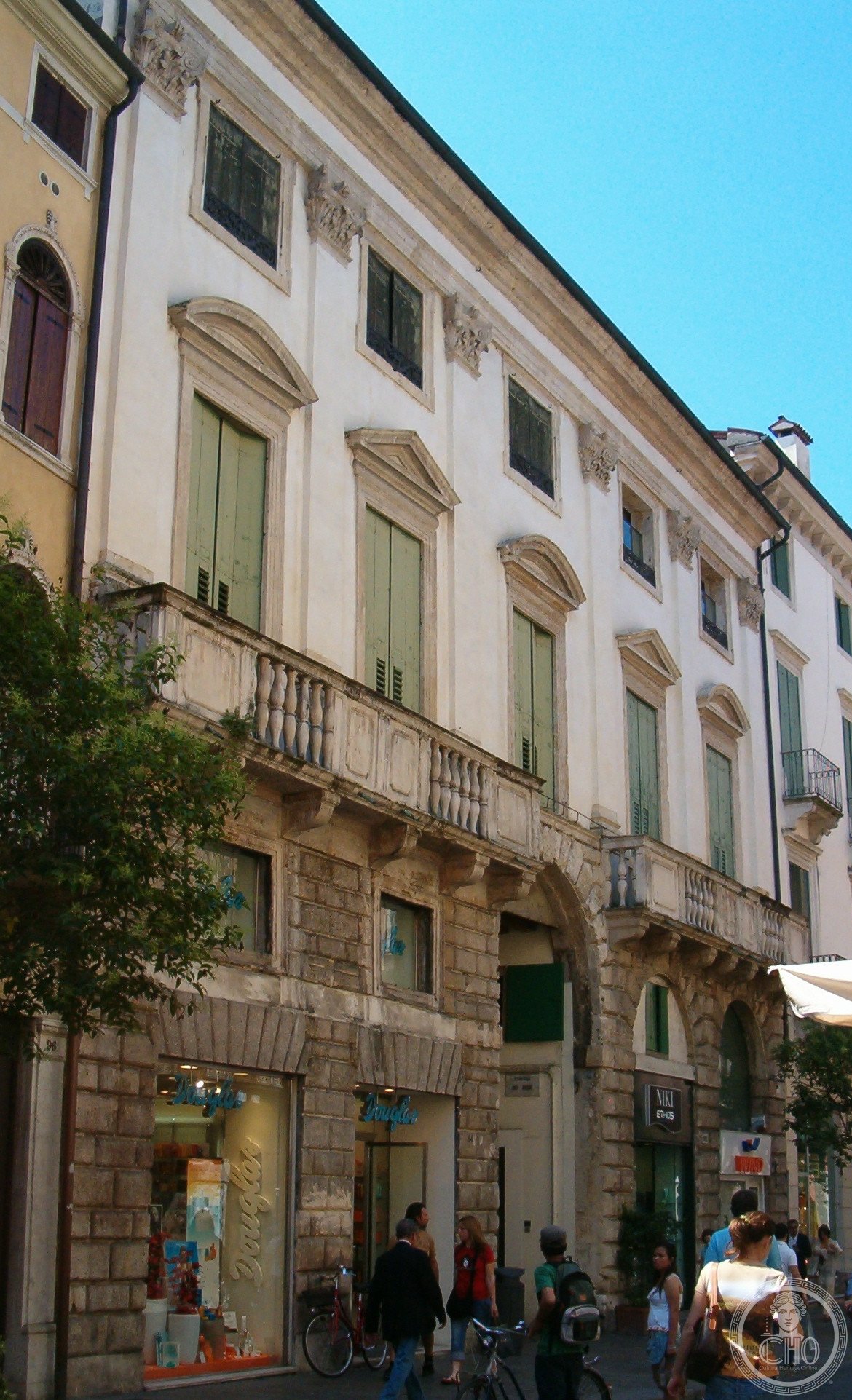
The Arrigoni Noventa Pojana Palace is a historic noble residence in Pojana Maggiore, in the province of Vicenza, Veneto. Set in the agricultural flatlands south of Vicenza, this Venetian country palace reflects the tradition of aristocratic rural retreats that flourished throughout the Venetian mainland during the 16th and 17th centuries. Its association with the Pojana, Noventa and Arrigoni families traces the shifting fortunes of Veneto nobility across several centuries.
At a glance
- Type
- Historic noble palace and country villa
- Period
- 16th–18th century
- Style
- Venetian Renaissance and Baroque
- Location
- Pojana Maggiore, Province of Vicenza, Veneto, Italy
- Coordinates
- 45.5476° N, 11.5428° E
Overview
The Arrigoni Noventa Pojana Palace stands as one of the many aristocratic residences that once dotted the Venetian hinterland, known collectively as ville venete. These estates combined residential elegance with agricultural management, allowing noble families to oversee their rural landholdings while enjoying refined country life. The palace takes its compound name from the successive noble families who owned and shaped it over the centuries.
History
Pojana Maggiore’s heritage is closely linked to the Pojana family, a prominent Vicentine noble house whose most celebrated legacy is the nearby Villa Pojana, designed by Andrea Palladio in the mid-16th century. The Arrigoni Noventa Pojana Palace represents a distinct but parallel strand of local noble architecture, associated with families who held lands in this fertile agricultural zone south of Vicenza. Ownership passed through successive aristocratic hands — the Pojana, Noventa and Arrigoni families each leaving their imprint on the estate. The palace was typical of the Veneto model in which country residences served both symbolic and productive functions, anchoring noble authority in the landscape.
What you see
The palace presents the characteristic features of Venetian mainland noble architecture: a central residential block with formal facades, wings or barchesse (farm outbuildings) that integrated productive and residential spaces, and grounds laid out to reflect the owner’s status. Interior spaces would traditionally have included frescoed reception rooms, private family chapels, and service quarters. The surrounding agricultural landscape — flat, irrigated, and productive — remains largely intact, giving visitors a sense of the original rural setting in which such palaces functioned as centers of estate management.
Cultural significance
The Venetian villa tradition to which this palace belongs was inscribed on the UNESCO World Heritage List in 1996 (extended 2007) as part of the “City of Vicenza and the Palladian Villas of the Veneto,” recognizing the extraordinary concentration of Renaissance and Baroque noble residences across the Veneto countryside. Palaces such as the Arrigoni Noventa Pojana are testimony to the distinctive civilisation of the Venetian Republic, which spread refined urban culture into the agricultural hinterland through its noble class.
Practical information
- Address
- Pojana Maggiore, Province of Vicenza, Veneto, Italy
- Access
- Check official website or local tourism offices for current visiting arrangements; the palace may be privately held
- Nearby
- Villa Pojana (Palladio, c. 1549–1563) is a few minutes’ walk away and is open to visitors
Getting there
Pojana Maggiore is located approximately 25 km south of Vicenza. By car, take the A4 motorway and exit at Vicenza Est or Soave-San Bonifacio, then follow local roads south. Public transport connections are limited; a hire car is recommended. The nearest railway stations are at Vicenza and Lonigo.
Sources & resources
See the place
Find it on the map
See this place and what’s around it →📷 Become a Cultural Heritage Online photographer
Share your photos of places: they stay published under your name as the author. The more they're seen, the more you get noticed — and soon a contest will reward the most appreciated photos.
Log in or sign up free to add a photoIs this page about you?
This page is read by travellers and heritage enthusiasts who find it on Google. Tell us how you are connected to this place and we will take it from there.