
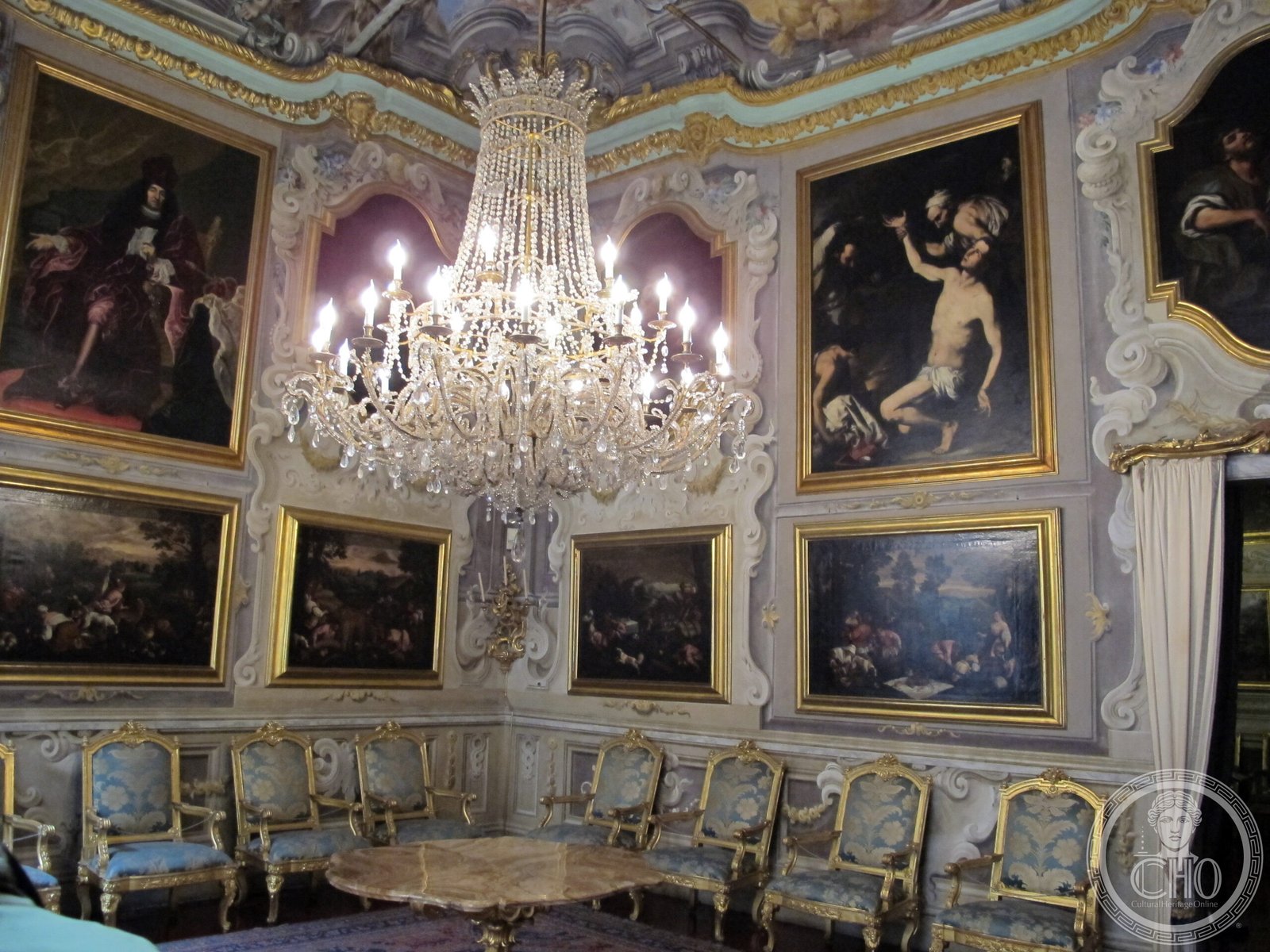
The Palazzo Spinola di Pellicceria, also known as Palazzo Francesco Grimaldi, is a magnificent Baroque palace on Piazza di Pellicceria in the historic centre of Genoa, and one of the forty-two palaces forming the UNESCO World Heritage Site “Genoa: Le Strade Nuove and the system of the Palazzi dei Rolli.” Today owned by the Italian Ministry of Culture, it houses the National Galleries of Palazzo Spinola, displaying an outstanding collection of paintings and decorative arts within superbly preserved 17th- and 18th-century state apartments.
At a glance
- Type
- National art gallery
- Period
- Palace built late 16th century; remodelled 17th–18th century; state property since 1958; gallery inaugurated 1958
- Style
- Genoese Baroque palace architecture
- Location
- Piazza di Pellicceria 1, 16123 Genoa, Liguria
- Coordinates
- 44.4107° N, 8.9283° E
Overview
Palazzo Spinola di Pellicceria stands in the maze of medieval and Baroque lanes behind Genoa’s old port, on a small square that preserves much of its 17th-century character. The palace was one of the 163 private residences inscribed in the Rolli di Genova — the official lists of noble houses designated to receive distinguished guests of the Republic of Genoa on state visits. In 1958 the Spinola family donated the palace and its contents to the Italian state, making it one of the few Genoese noble palaces to survive with its furnishings, frescoes, and art collection essentially intact across four centuries of habitation.
History
The palace was built in the late 16th century and subsequently acquired and enlarged by the Grimaldi and then the Spinola family, who gave it its definitive Baroque character during extensive interventions in the 17th and 18th centuries. The Spinola were one of Genoa’s most powerful banking and mercantile dynasties, and they adorned the piano nobile with frescoes, gilded stucco, and paintings by leading Genoese and Flemish masters. In 2006 the palace was added to the UNESCO World Heritage Site as part of the Palazzi dei Rolli system. The national gallery it houses was established in 1958 following the family’s donation and has been managed by the Ministry of Culture ever since.
What you see
The gallery is arranged over four floors of the palace, progressing from the ground-floor medieval and early Renaissance rooms to the lavishly frescoed Baroque state apartments on the piano nobile. Key works include Antonello da Messina’s Ecce Homo, Van Dyck’s portraits of Genoese nobility, and paintings by Rubens, Luca Giordano, and Bernardo Strozzi. The ceilings of the principal rooms retain their original Baroque fresco decorations and gilded stuccos, while the terrace offers views across the Genoese roofscape. A separate section is dedicated to the Raccolta dello Stato, works acquired by the Italian state during the 20th century.
Cultural significance
Palazzo Spinola is one of the most complete survivals of a Genoese noble interior and offers an unparalleled view into the lifestyle and artistic patronage of the Republic of Genoa’s banking aristocracy. Its UNESCO recognition as part of the Palazzi dei Rolli system acknowledges the palace’s role in the extraordinary flowering of Baroque art and architecture that made 17th-century Genoa one of Europe’s great cultural centres. The presence of works by Van Dyck and Rubens reflects Genoa’s deep artistic ties with the Flemish world, forged through centuries of commercial exchange.
Practical information
- Address
- Piazza di Pellicceria 1, 16123 Genoa
- Opening hours
- Check official website for current hours; generally closed Mondays
- Admission
- Check official website for current ticket prices
- Website
- gallerienazionali.beniculturali.it
Getting there
The palace is on Piazza di Pellicceria in the historic centre of Genoa, within the UNESCO heritage zone, close to Via Garibaldi (the Rolli street par excellence). The nearest metro stop is Piazza De Ferrari (line 1), a 5-minute walk. From Genoa Brignole or Genova Piazza Principe train stations, city buses reach the historic centre. The area has limited vehicle access due to its medieval street pattern; pedestrian access is easiest from Via San Luca.
Sources & resources
See the place
Find it on the map
See this place and what’s around it →📷 Become a Cultural Heritage Online photographer
Share your photos of places: they stay published under your name as the author. The more they're seen, the more you get noticed — and soon a contest will reward the most appreciated photos.
Log in or sign up free to add a photo