
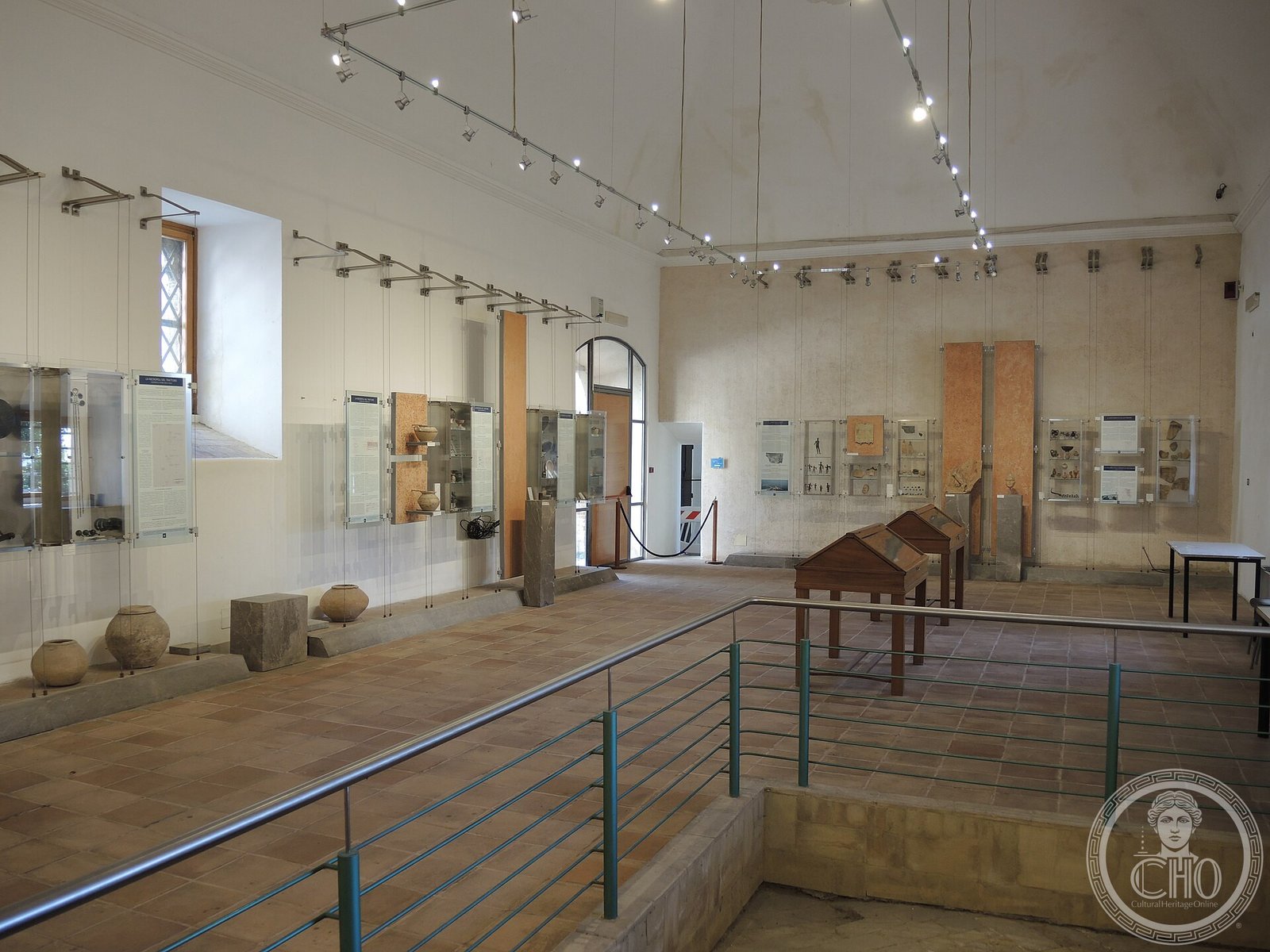
Palazzo d’Avalos is the dominant Renaissance residence of Vasto, a coastal city in southern Abruzzo overlooking the Adriatic Sea. Built in the 16th century for the powerful d’Avalos marquises — one of the most influential Spanish-Neapolitan noble dynasties of Renaissance Italy — the palace today houses the town’s archaeological museum, an art gallery, and a remarkable collection of ancient costumes that document Vastese aristocratic and popular dress traditions from the early modern period to the 19th century.
At a glance
- Type
- Renaissance noble palace; multi-collection civic museum
- Period
- 16th century (Renaissance); d’Avalos family patronage
- Style
- Italian Renaissance palatial architecture
- Location
- Vasto (Histonium), Province of Chieti, Abruzzo, Italy
- Coordinates
- 41.4314° N, 13.6959° E
Overview
Vasto — ancient Histonium — is perched on a promontory above the southern Adriatic coast, and Palazzo d’Avalos occupies a commanding position within its historic centre. The palace takes its name from the d’Avalos family, originally from Castile, who received the Marquisate of Vasto in the early 16th century and transformed the town into a centre of Renaissance courtly culture. The building now serves as Vasto’s primary civic cultural complex, integrating under one roof collections that span prehistoric Abruzzo, Roman Histonium, medieval and modern decorative arts, and centuries of local costume traditions.
History
The d’Avalos family rose to European prominence during the Italian Wars of the early 16th century: Alfonso d’Avalos, Marquis of Vasto, served as a leading Spanish-Hapsburg commander and patron of Titian, who painted his famous portrait. The family’s Vasto palace was built to reflect this status, and it remained the centre of local aristocratic life through the Spanish viceregal period. After the d’Avalos line declined, the palace passed to civic ownership and underwent various transformations before being adapted as a museum complex in the 20th century. Its archaeological collections were enriched by systematic excavations of the ancient Roman city of Histonium, whose remains underlie and surround modern Vasto.
What you see
The archaeological section presents finds from the Roman city of Histonium, including inscriptions, sculptural fragments, everyday objects, and coinage that document civic life on the Adriatic coast from the Republican through Late Imperial period. The art gallery contains paintings from the 16th to 19th centuries, with works by local and regional masters reflecting the artistic traditions of the Kingdom of Naples. The costume collection is particularly distinctive, assembling historical garments and accessories that illustrate both aristocratic fashion and the elaborate traditional dress worn during Vasto’s civic celebrations. The palace’s architectural spaces — courtyards, logge, and reception halls — are themselves significant monuments of southern Italian Renaissance taste.
Cultural significance
Palazzo d’Avalos is one of the finest intact Renaissance secular buildings in Abruzzo and a key monument in the cultural geography of the medieval and early modern Adriatic. Its multi-disciplinary collections make it an essential stop for understanding southern Abruzzo’s layered history from Roman Histonium through the Aragonese-Hapsburg period to Italian unification. The costume collection adds a rarely preserved dimension of social history that complements the archaeological and artistic holdings.
Practical information
- Address
- Piazza del Popolo, 66054 Vasto CH, Abruzzo, Italy
- Opening hours
- Check official website or contact the Comune di Vasto for current museum hours and admission prices
- Admission
- Check official website
Getting there
Vasto is served by Vasto-San Salvo railway station on the Adriatic coastal line, approximately 3 km from the historic centre; local buses and taxis connect the station to Piazza del Popolo. By car, exit the A14 motorway at Vasto Nord or Vasto Sud. The historic centre is largely closed to private traffic; parking is available at the city margins with pedestrian access to the palace.
Sources & resources
- Wikipedia EN: Vasto
- Further reading: Cultural Heritage Online
See the place
Find it on the map
See this place and what’s around it →📷 Become a Cultural Heritage Online photographer
Share your photos of places: they stay published under your name as the author. The more they're seen, the more you get noticed — and soon a contest will reward the most appreciated photos.
Log in or sign up free to add a photo