
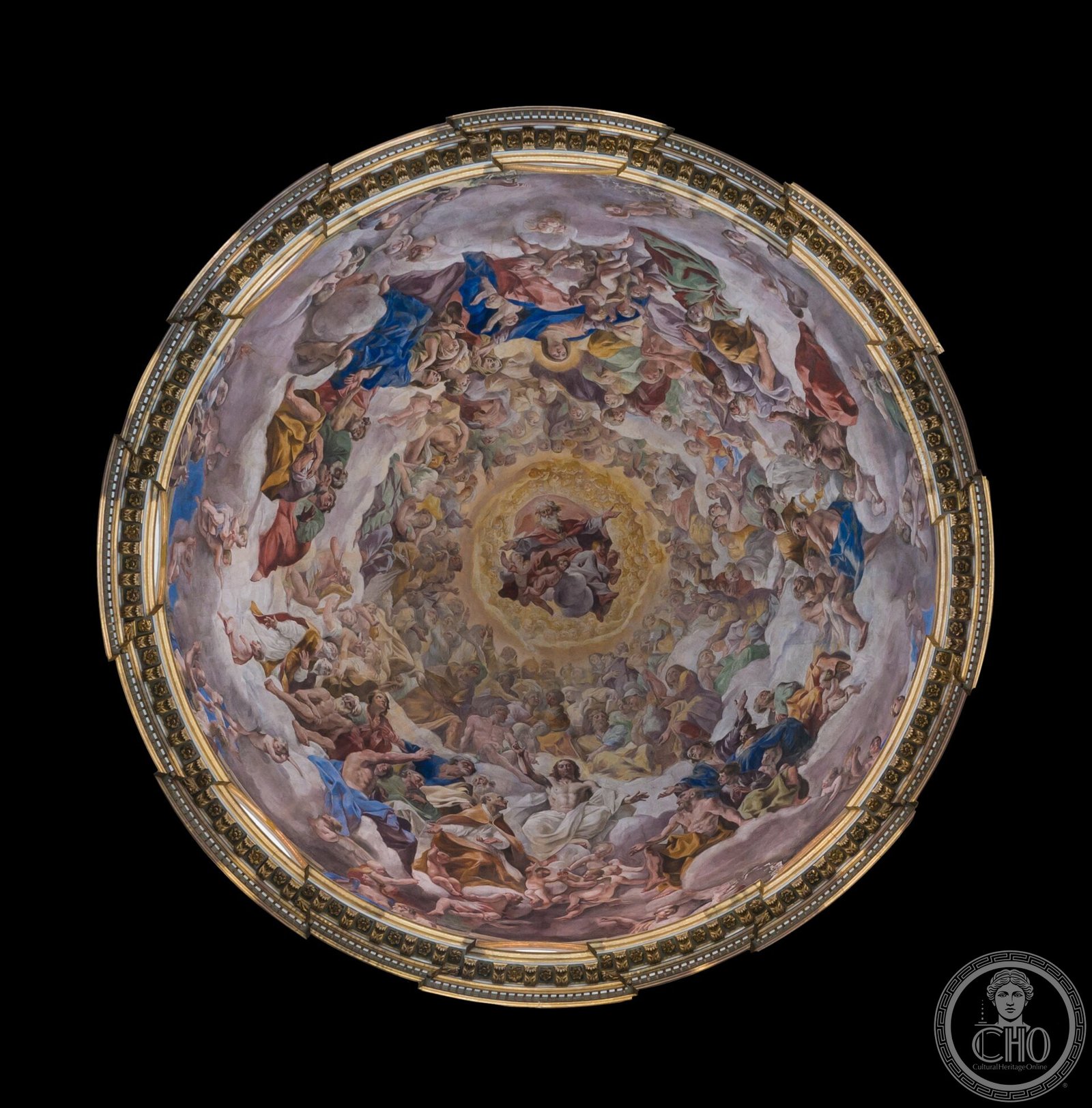
The Museum of the Treasure of San Gennaro in Naples houses one of the most extraordinary collections of sacred art in Italy, assembled over four centuries by the Deputazione of the Royal Chapel of the Treasury in the Cathedral of Naples. Built around the veneration of the city's patron saint Januarius (San Gennaro), whose liquefying blood is among the most celebrated Catholic phenomena in the world, the museum displays the spectacular gold, silver, gem-encrusted votive offerings and liturgical objects donated by the Neapolitan faithful and their rulers since the 17th century.
At a glance
- Type
- Sacred art and treasury museum
- Period
- 17th century to present; collection initiated 1600s
- Style
- Baroque liturgical art and goldsmithing
- Location
- Via Duomo 149, Naples, Campania, Italy
- Coordinates
- 40.8523° N, 14.2597° E
Overview
The Treasure of San Gennaro is custodied by the ancient lay Deputazione, a body founded in 1527 after the plague that devastated Naples and renewed after the eruption of Vesuvius in 1631 ravaged the city, sparing it only — in popular belief — through the intercession of the saint. The museum adjoining the Royal Chapel presents the full magnificence of the treasury: golden busts, jewelled miters, chalices, reliquaries, and ex-votos that together constitute one of the richest collections of Baroque goldsmithing in Europe. The collection is estimated to be worth several billion euros and is entirely owned by the people of Naples through the Deputazione.
History
San Gennaro, the bishop of Benevento martyred around 305 AD, became the patron saint of Naples during the early medieval period. The tradition of the liquefaction of his blood — preserved in two sealed ampullae — is first documented in the late 14th century. The Royal Chapel of the Treasure, built between 1608 and 1646 as a votive offering after repeated disasters, became the ceremonial centre of Neapolitan civic and religious life. Over the following centuries, rulers and citizens alike donated precious objects to the treasury, creating the extraordinary accumulation of sacred art that the museum now displays.
What you see
The museum's permanent display includes the silver-gilt bust reliquary of San Gennaro (1305), one of the earliest and most remarkable examples of Neapolitan goldsmithing; the jewelled miter donated by Cardinal Ruffo; a collection of gem-encrusted pectoral crosses; and extraordinary Baroque chalices and monstrances by leading Neapolitan goldsmiths. The adjacent Royal Chapel, decorated with frescoes by Domenichino and Giovanni Lanfranco, is one of the finest Baroque interiors in southern Italy and forms an integral part of the visit.
Cultural significance
The Treasure of San Gennaro is inseparable from Neapolitan civic identity: the biannual liquefaction ceremony continues to draw vast crowds and remains a live expression of popular Catholicism. As an art collection it ranks among the finest assemblages of sacred Baroque goldsmithing in the world, comparable to the treasuries of major European cathedrals, and it remains entirely in the hands of the Neapolitan people — never having passed to the state or the Vatican.
Practical information
- Address
- Via Duomo 149, 80138 Napoli NA
- Opening hours
- Typically Tuesday–Sunday; check official website for current schedule and reservation requirements
- Admission
- Paid admission; check official website for current prices
- Website
- www.museodeltesorodisangennaro.com
Getting there
The museum is located in the historic centre of Naples, adjacent to the Cathedral of Naples (Duomo) on Via Duomo. The nearest metro station is Duomo on Line 1 (approximately 5-minute walk). From the Piazza Garibaldi transport hub (main railway station), the museum is reachable by tram (line 1) or a 15-minute walk north along Via Duomo. Taxis are readily available from the central station and major piazzas.
Sources & resources
See the place
Find it on the map
See this place and what’s around it →📷 Become a Cultural Heritage Online photographer
Share your photos of places: they stay published under your name as the author. The more they're seen, the more you get noticed — and soon a contest will reward the most appreciated photos.
Log in or sign up free to add a photoIs this page about you?
This page is read by travellers and heritage enthusiasts who find it on Google. Tell us how you are connected to this place and we will take it from there.