
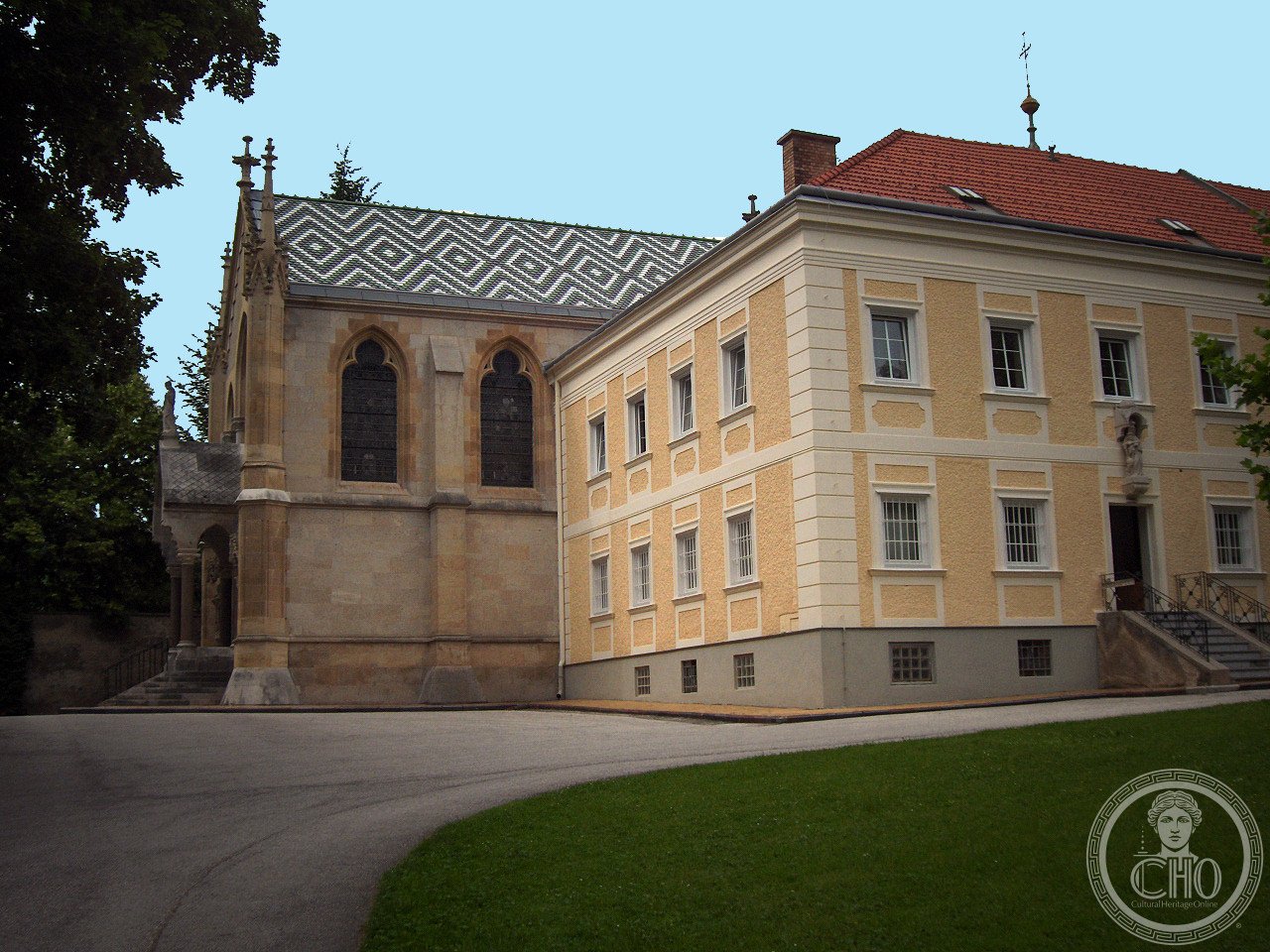
Mayerling
Mayerling is a small village in the Wienerwald (Vienna Woods), 24 kilometres southwest of Vienna in Lower Austria, best known as the site of the Mayerling Incident of 30 January 1889, in which Crown Prince Rudolf of Austria and his companion Baroness Mary Vetsera were found dead in what is generally accepted as a murder-suicide at the imperial hunting lodge. Emperor Franz Joseph I subsequently demolished the lodge and had a Carmelite convent erected on the site in memory of his son, transforming the scene of dynastic tragedy into a place of prayer that still stands today. The village and its forested setting remain a destination for visitors drawn by one of the most romantic and tragic episodes in Habsburg history.
At a glance
- Type
- Former imperial hunting lodge; Carmelite convent; memorial site
- Period
- Hunting lodge established 16th century; incident 1889; convent built 1889–1891
- Style
- Neo-Gothic (convent chapel)
- Location
- Mayerling, municipality of Alland, district of Baden, Lower Austria
- Coordinates
- 48.0466° N, 16.0960° E
- Status
- Active Carmelite convent; small memorial museum open to visitors
Overview
Set in a narrow valley on the Schwechat river, Mayerling is surrounded by the beech and oak forests of the Wienerwald that made it a favoured hunting ground for the Habsburg court from the 16th century onward. The village itself is tiny—little more than the convent, a hotel, and a handful of houses—but it carries a weight of history disproportionate to its size. The Carmelite convent built after the 1889 tragedy incorporates the room where Crown Prince Rudolf died as the chapel of the monastery, and a small museum adjacent to the convent presents artefacts and documentation related to the incident and to Rudolf’s life.
History
From 1550 the estate was in the possession of the Abbey of Heiligenkreuz; it later became an imperial hunting property. Crown Prince Rudolf, heir to the Austro-Hungarian throne, used the lodge as a private retreat and it was here, in the early hours of 30 January 1889, that he and the seventeen-year-old Baroness Mary Vetsera were found dead—a double death that sent shockwaves across Europe and hastened the slow unravelling of the Habsburg dynasty. Emperor Franz Joseph ordered the lodge demolished within weeks; the Discalced Carmelite nuns arrived in 1889 and the convent was completed by 1891. The exact circumstances of the deaths remain the subject of historical debate and popular speculation.
What you see
Visitors today find a peaceful neo-Gothic convent set in wooded grounds, with the small Mayerling Museum housed in the former stables offering period photographs, personal objects belonging to Rudolf and Mary Vetsera, and contextual material on the Habsburg court. The convent chapel—built over the site of the death chamber—can be visited at set times; the Carmelite community still lives an enclosed contemplative life within. The surrounding Wienerwald landscape, with its marked hiking trails connecting Mayerling to Heiligenkreuz Abbey and the Alland valley, adds natural beauty to the historical weight of the site.
Cultural significance
The Mayerling Incident is one of the defining episodes of fin-de-siècle European history, a crystallisation of the tensions between personal freedom and dynastic duty in the declining years of the Habsburg Empire. It has inspired novels, films, and operas—most famously Rudolf Nureyev’s 1978 ballet Mayerling for the Royal Ballet—and the site remains a touchstone for anyone exploring the culture and tragedy of the Belle Époque. The transformation of the hunting lodge into a house of prayer is itself a remarkable piece of Habsburg counter-narrative, an attempt to sanctify and contain a scandal.
Practical information
The Mayerling Museum is open daily (hours vary seasonally; check the local tourism website). Entry to the museum involves a modest fee. The convent chapel has restricted visiting hours aligned with the nuns’ schedule. The surrounding Wienerwald is freely accessible year-round for hiking and cycling. A hotel and restaurant operate in the village for those wishing to spend a night in the area. Check heiligenkreuz-wienerwald.at for current information.
Getting there
From Vienna, take the S-Bahn S1 or S2 to Baden, then a regional bus toward Alland (line 364 or 365) which stops near Mayerling; the total journey is approximately 1.5–2 hours. By car, Mayerling is reached via the A21 motorway (exit Alland) or via the scenic Helenental valley from Baden, about 35 minutes from Vienna. Cycling from Baden through the Helenental is a popular route on marked paths. From Heiligenkreuz Abbey, the village is a 3-kilometre walk through the forest.
Sources & resources
Find it on the map
See this place and what’s around it →📷 Diventa un fotografo di Cultural Heritage Online
Condividi le tue foto dei luoghi: restano pubblicate con la tua firma come autore. Più vengono viste, più ti fai conoscere — e presto un concorso premierà le foto più apprezzate.
Accedi o registrati gratis per aggiungere una foto