
The Ceramics Museum in Moliterno is a specialist collection dedicated to the ceramic arts of Basilicata and the broader southern Italian tradition, housed within the MAM — Musei Aiello Moliterno complex in this hilltop comune in the province of Potenza. The museum presents historic and contemporary ceramic works, situating the craft within its regional economic and artistic context and demonstrating the continuity of pottery-making traditions across Lucanian history.
At a glance
- Type
- Specialist ceramics museum
- Period
- Collection spans historic to contemporary; institution contemporary
- Style
- Southern Italian and Lucanian ceramic tradition
- Location
- Piazza Giacomo Matteotti area, Moliterno, Potenza, Basilicata, Italy
- Coordinates
- 40.2405° N, 15.8679° E
Overview
Ceramic production has deep roots in Basilicata, a region where clay working sustained local economies for centuries alongside agriculture and pastoralism. The Ceramics Museum at Moliterno brings together pieces that document both the utilitarian and decorative dimensions of this craft tradition, from everyday vessels used in rural households to decorative works reflecting the influence of Magna Graecia pottery forms on later southern Italian ceramics. The museum is one of several institutions in the MAM complex that collectively present Lucanian culture in a structured, accessible format.
History
The ceramic tradition of inland Basilicata is rooted in Graeco-Roman craft practices, perpetuated through the medieval and early modern periods by local workshops serving agricultural communities. Towns such as Ferrandina, Grottole, and Pisticci in Basilicata maintained active pottery production into the twentieth century. The establishment of a dedicated ceramics museum in Moliterno reflects a wider regional movement to document and preserve craft heritage threatened by deindustrialisation and depopulation. The MAM complex, of which the Ceramics Museum is part, was developed as a cultural anchor for the town’s historic centre.
What you see
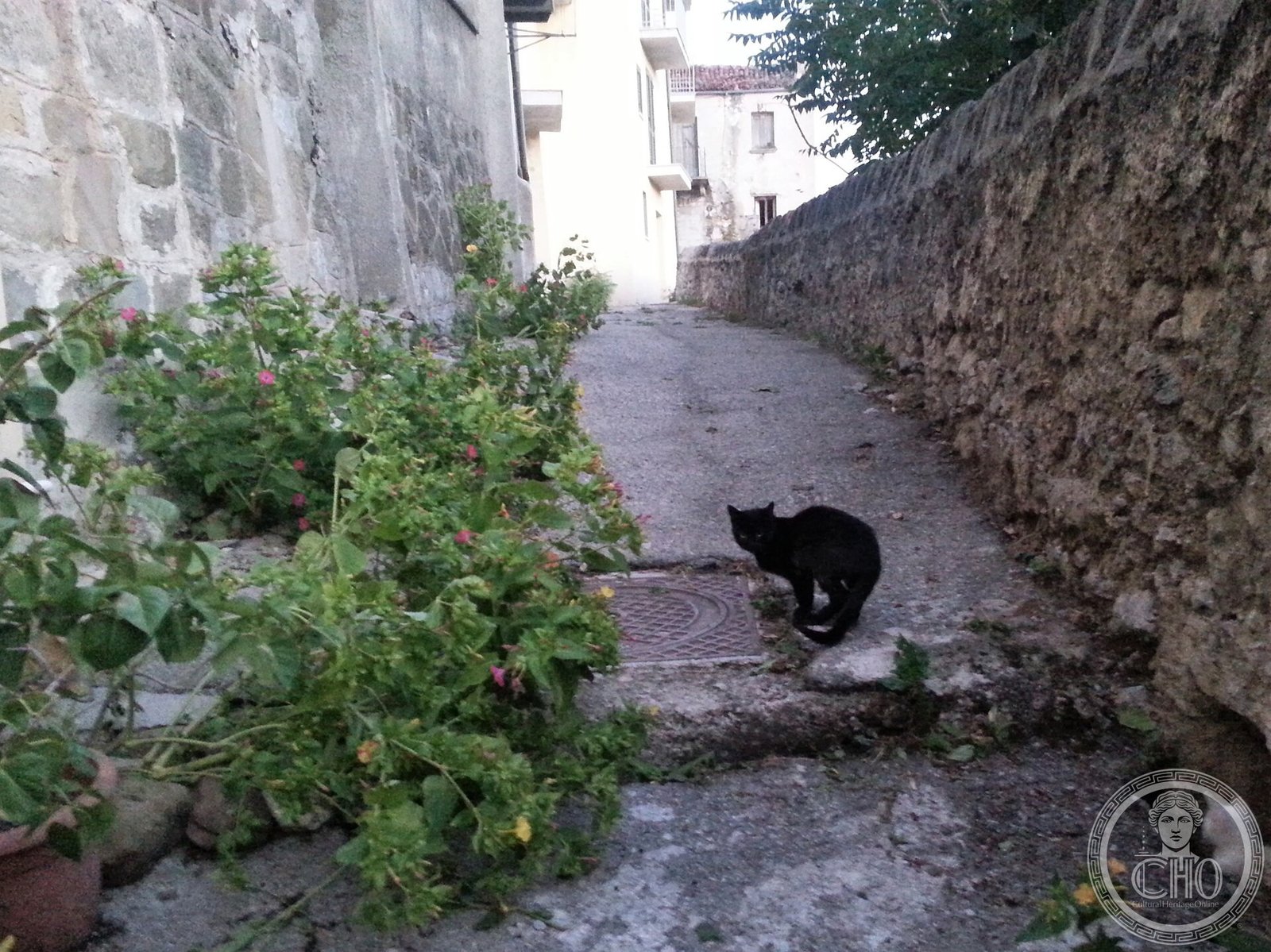
The collection includes ceramic vessels, figurines, and decorative objects spanning a range of periods, with particular emphasis on the domestic and folk ceramic traditions of the Lucanian Apennines. Displays are organised to illustrate the relationship between form, function, and local material culture, with contextual information linking individual pieces to their place and period of production. The museum shares the tight urban fabric of Moliterno’s centro storico, where the stone streets and dense medieval housing provide an evocative backdrop for the collection.
Cultural significance
Ceramics museums in southern Italy serve a dual purpose: preserving material evidence of pre-industrial craft economies while demonstrating the artistic sophistication often overlooked in popular accounts of the Mezzogiorno. This museum contributes to a more nuanced understanding of Lucanian cultural production, complementing the region’s better-known archaeological heritage at sites such as Metaponto and Grumentum. As part of the MAM complex, it helps establish Moliterno as a cultural destination within the agritourism and heritage tourism circuits of Basilicata.
Practical information
- Address
- Piazza Giacomo Matteotti area, 85047 Moliterno PZ
Getting there
Moliterno is reached by car via the A3 motorway (exit Padula–Buonabitacolo) or from Potenza via the SS598 Agri valley road. Regional bus connections exist to Potenza and Lagonegro; services are limited and advance planning is recommended. The nearest rail stop is Atena Lucana station, roughly 25 km to the west.
Sources & resources
Find it on the map
See this place and what’s around it →📷 Become a Cultural Heritage Online photographer
Share your photos of places: they stay published under your name as the author. The more they're seen, the more you get noticed — and soon a contest will reward the most appreciated photos.
Log in or sign up free to add a photo