
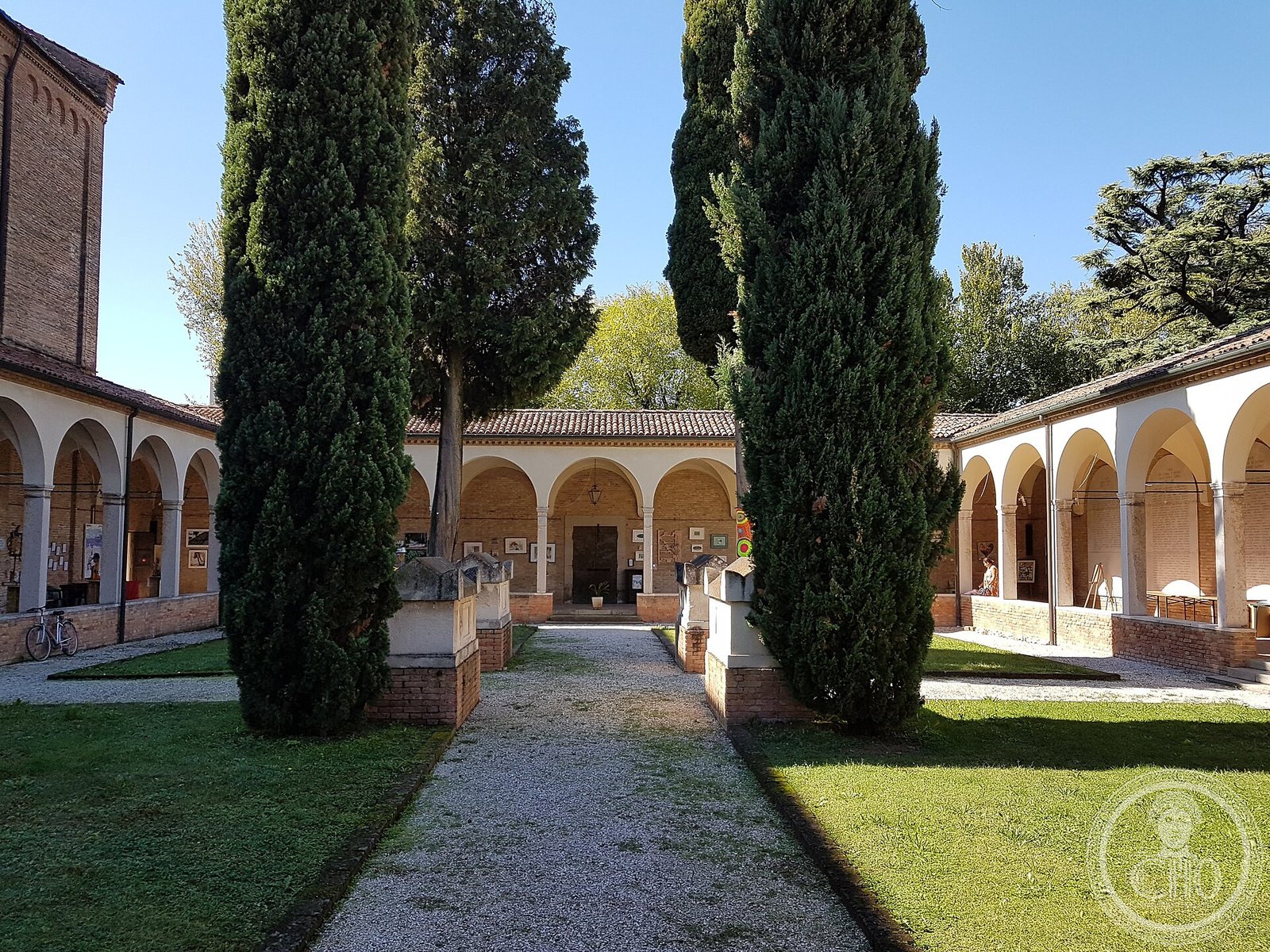
Tavern Arman is a historic tavern in the Treviso area of the Veneto region, situated very close to the Ancient Tavern At the Botegon and representing the cluster of traditional hospitality establishments that characterise the wine-growing communities of the Treviso plain. The name Arman — a Venetian dialect given name or family name — reflects the deeply personal, family-rooted nature of Veneto tavern culture, where establishments were known by their keeper’s name across generations of local customers.
At a glance
- Type
- Historic tavern — traditional Veneto family establishment
- Period
- Long-established; Venetian tavern tradition rooted in the medieval and early modern period
- Style
- Traditional Veneto rural and village hospitality
- Location
- Treviso area, Veneto, Italy
- Coordinates
- 45.6687° N, 12.2469° E
Overview
Tavern Arman belongs to the tradition of the family-run Veneto tavern, a form of public house distinguished from the Venetian bacaro of the city by its rural or village setting, its reliance on local agricultural produce, and the continuity of its identity with a single family or founding personality. In the Veneto, it was common practice to identify a tavern or osteria by the keeper’s first name — Arman being a contracted form of Armando or Armandino — a custom that persisted well into the twentieth century and survives in the names of many historic establishments. The proximity to another historic tavern suggests this corner of the Treviso plain preserved a particularly dense network of traditional hospitality points along a local road or village centre.
History
The naming of Veneto taverns after their founders or keepers dates at least to the era of the Venetian Republic, when the Serenissima regulated the licensing of wine-selling establishments with meticulous attention to the individual responsible for each premises. Under Venetian law, the osteria keeper (l’ostiere or l’oste) was personally liable for the conduct of customers and the quality of wine served, creating a strong connection between personal identity and commercial reputation. In the Treviso hinterland, agricultural estates (ville venete) maintained their own wine cellars and often supplied local taverns, building long-term relationships between landowners, tavern keepers, and the communities they fed and watered. Tavern Arman, like similar establishments of the Treviso plain, likely served the seasonal agricultural workforce at harvest time alongside local residents and travellers.
What you see
Traditional Veneto taverns of the Treviso plain are often housed in modest, functional buildings — converted farmhouses, former stables, or purpose-built ground-floor premises — with unpretentious interiors centred on a bar or counter and a dining room with solid wooden furniture. Seasonal menus in this zone feature the classic Treviso repertoire: soppressa veneta, lardo di Colonnata, risotto al radicchio di Treviso, bigoli in salsa, roast meats, and local polenta, accompanied by Prosecco or the red wines of the Piave DOC. The human scale and neighbourhood feel of an establishment like Tavern Arman is precisely what distinguishes the authentic Veneto tavern from the tourist-facing restaurant.
Cultural significance
The survival of family-named taverns such as Arman in the Veneto contributes to an intangible heritage of local hospitality identity that has been formally recognised as culturally significant in studies of the Veneto’s wine and food landscape. These establishments are nodes of social memory — places where local agricultural history, wine culture, and community identity intersect in a form that academic institutions and heritage bodies increasingly seek to document and protect. Their value lies precisely in their resistance to standardisation.
Practical information
- Location
- Treviso area, Veneto, Italy
- Opening hours
- Check local listings for current hours
- Admission
- No admission fee; pay per order
Getting there
The Treviso area is served by Treviso Airport (TSF) and by Venezia Marco Polo Airport (VCE) approximately 30 km to the south. By rail, Treviso Centrale station is on the Venice–Udine line. By car, take the A27 motorway from Venice (under 30 minutes) or the A4 from Padua and Verona. Local bus services operated by MOM connect communities across the Treviso plain. The location is approximately 8 km south of Treviso city centre.
Sources & resources
See the place
Find it on the map
See this place and what’s around it →📷 Become a Cultural Heritage Online photographer
Share your photos of places: they stay published under your name as the author. The more they're seen, the more you get noticed — and soon a contest will reward the most appreciated photos.
Log in or sign up free to add a photo