
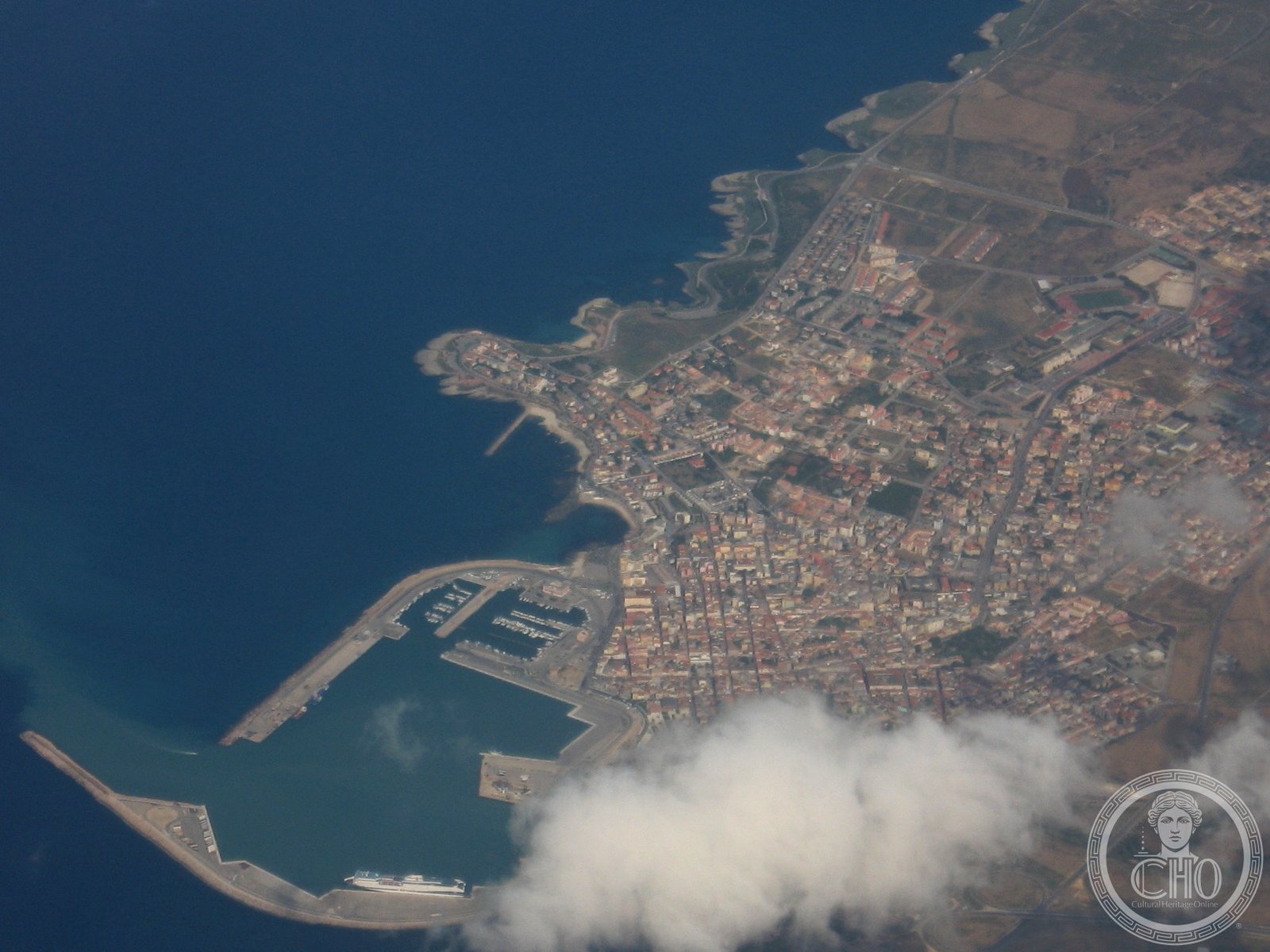
Porto Torres is a coastal city in north-west Sardinia, founded in the 1st century BC as Colonia Iulia Turris Libisonis — the first Roman colony established on the island. Situated on the Gulf of Asinara, the city preserves one of Sardinia’s most significant concentrations of Roman-era remains, including the Basilica of San Gavino, the largest Romanesque church on the island. Today Porto Torres serves as the second-largest seaport in Sardinia and a gateway to the island’s heritage.
At a glance
- Type
- Roman colonial city and medieval port
- Period
- Founded 1st century BC; active through Roman, Byzantine, Giudicato, and modern periods
- Style
- Roman, Romanesque, and industrial heritage
- Location
- Porto Torres, Metropolitan City of Sassari, Sardinia, Italy
- Coordinates
- 40.8349° N, 8.4011° E
Overview
Porto Torres occupies the north-western coast of Sardinia on the Gulf of Asinara, approximately 25 kilometres from the regional capital of Sassari. The city’s Roman origins as Colonia Iulia Turris Libisonis made it the island’s first and most important Roman colonial settlement, serving as the administrative and commercial hub of the Roman province of Sardinia et Corsica. Its strategic port position sustained continuous occupation from antiquity through the medieval Giudicato of Torres to the present day.
History
The colony of Turris Libisonis was established in the late 1st century BC, likely under Julius Caesar or Augustus, to consolidate Roman control over Sardinia’s northern coast. It quickly grew into the most prosperous urban centre on the island, benefiting from fertile agricultural hinterlands and a natural harbour. During the early medieval period the city became the seat of the Giudicato of Torres, one of four independent Sardinian kingdoms, before declining under Pisan and later Aragonese rule. Industrial development in the 20th century transformed the harbour zone, while the historic core preserves legible traces of Roman urban planning.
What you see
The most prominent surviving monument is the Basilica of San Gavino (11th–12th century), an outstanding example of Sardinian Romanesque architecture built over an early Christian martyrium dedicated to the Roman soldiers Gavino, Proto, and Januarius. The Roman site known as Turris Libisonis preserves ruins of baths, a mosaic-floored domus, and stretches of the ancient street grid. The Antiquarium Turritano museum nearby houses Roman sculptures, inscriptions, and artefacts recovered from the city and its territory.
Cultural significance
Porto Torres holds exceptional importance as the oldest Roman colonial foundation in Sardinia and a key node in the island’s early Christian heritage, centred on the cult of the martyrs of Turris. The Basilica of San Gavino is a recognised landmark of Romanesque architecture in the Mediterranean and draws scholars and pilgrims alike. The site illustrates the layered transition from Roman provincial capital to medieval Christian centre to modern industrial port.
Practical information
- Address
- Porto Torres, 07046, Province of Sassari, Sardinia
- Basilica di San Gavino
- Piazza San Gavino, Porto Torres — open for visits; check locally for hours
Getting there
Porto Torres is served by regular ferry connections from Genoa, Barcelona, and Toulon, making it a major arrival point for visitors to Sardinia. By road, take the SS131 Carlo Felice motorway north from Sassari (approximately 20 minutes). Local buses connect Porto Torres to Sassari railway station, which offers regional rail services across the island. The city centre and historic monuments are walkable from the ferry terminal.
Sources & resources
See the place
Find it on the map
See this place and what’s around it →📷 Become a Cultural Heritage Online photographer
Share your photos of places: they stay published under your name as the author. The more they're seen, the more you get noticed — and soon a contest will reward the most appreciated photos.
Log in or sign up free to add a photo