
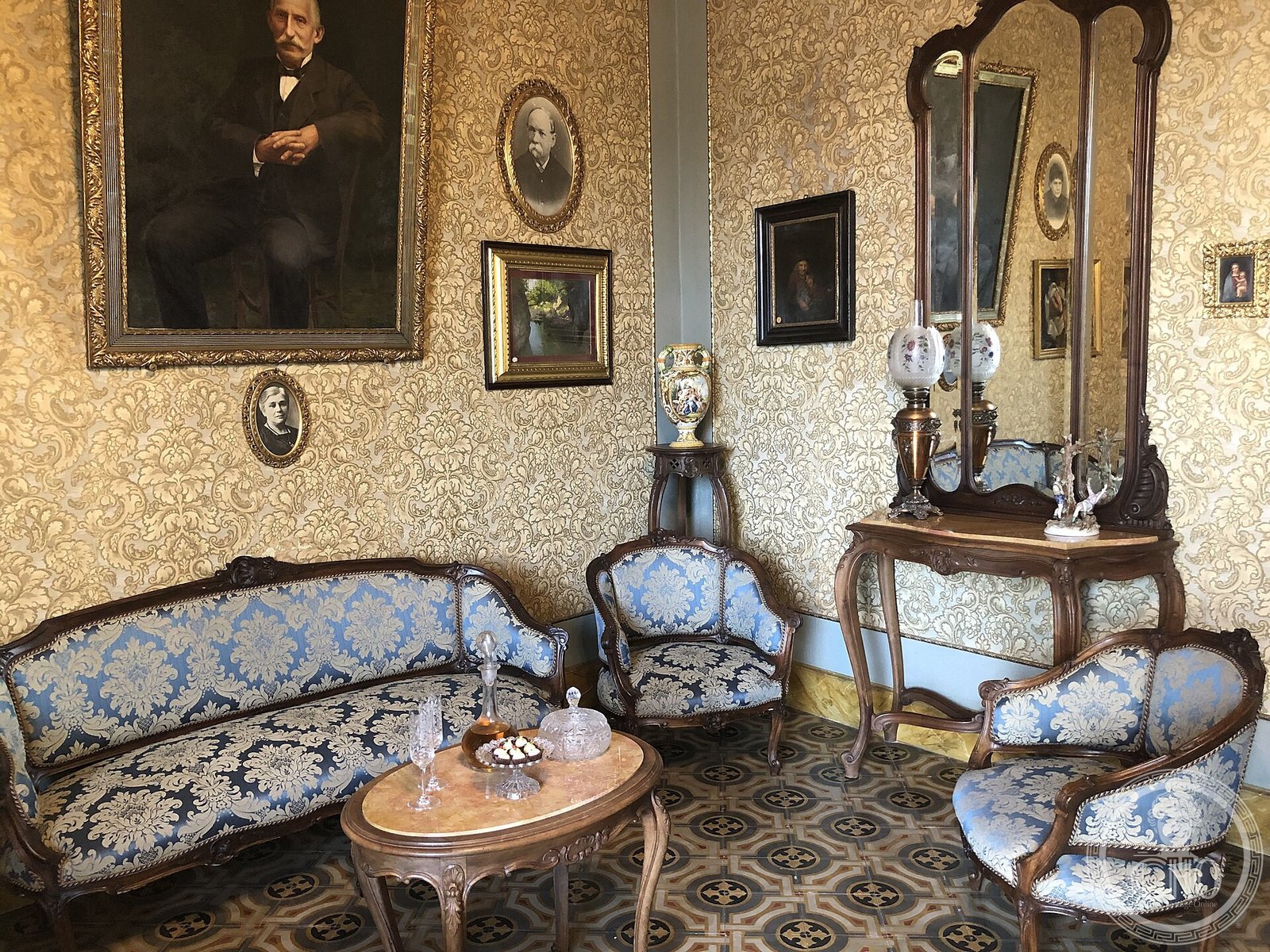
The Castro Polara Grimaldi Palace is a Sicilian Baroque aristocratic residence in the province of Ragusa, southern Sicily, associated with noble families whose lineages shaped the island’s feudal and civic history. Located in a region renowned for its extraordinary concentration of Baroque architecture — inscribed on the UNESCO World Heritage List in 2002 — the palace belongs to a building tradition that flourished after the catastrophic earthquake of 1693 remade the urban landscape of south-eastern Sicily.
At a glance
- Type
- Aristocratic palace (palazzo nobiliare)
- Period
- 17th–18th century; substantially rebuilt after 1693
- Style
- Sicilian Baroque
- Location
- Province of Ragusa, Sicily, Italy
- Coordinates
- 36.8643° N, 14.7587° E
Overview
South-eastern Sicily is home to one of Europe’s most concentrated ensembles of Baroque civic and religious architecture, rebuilt in the decades following the Val di Noto earthquake of 11 January 1693 — the most destructive seismic event in Italian recorded history, which destroyed at least 45 towns and killed an estimated 60,000 people. The Castro, Polara and Grimaldi families were part of the Sicilian aristocracy that directed and financed the reconstruction effort, often commissioning elaborately decorated palaces as expressions of feudal authority and Counter-Reformation piety. Their combined palace reflects the dynastic alliances and property consolidations typical of post-earthquake Sicilian noble society.
History
The Val di Noto earthquake of 1693 effectively erased the pre-existing built fabric of south-eastern Sicily, creating a blank canvas on which Baroque architects — many trained in Rome and Naples — could redesign entire city centres. Noble families like the Grimaldi saw in this disaster an opportunity to rebuild on a grander scale, asserting their position through architecture at a moment when Spain’s grip on Sicily was weakening. The Castro and Polara family connections likely reflect the complex web of intermarriages and property transfers that concentrated wealth in fewer hands during the eighteenth century. The palace’s eventual history may have included conversion to institutional or residential use, as happened to much of Sicily’s noble building stock after the abolition of feudalism in 1812.
What you see
Sicilian Baroque palaces of the post-1693 generation typically display elaborate carved limestone facades featuring corbelled balconies with grotesque mask brackets, heavy cornices, and window surrounds of inventive sculptural complexity. The local Ragusa limestone — a warm cream-coloured calcarenite — weathers to a golden hue that gives the entire Val di Noto its distinctive visual character. Piano nobile interiors often preserve frescoed ceilings, tiled floors in the Sicilian majolica tradition, and monumental staircases leading from rusticated ground-floor portals. The family arms carved above the main entrance typically record the dynastic alliances encoded in the palace’s compound name.
Cultural significance
The “Late Baroque Towns of the Val di Noto” were inscribed on the UNESCO World Heritage List in 2002, recognising the exceptional quality and coherence of the post-1693 rebuilt urban landscape. Palaces like the Castro Polara Grimaldi are integral to this heritage, giving residential scale and aristocratic character to the Baroque streetscapes that the UNESCO nomination celebrates. They also serve as evidence of Sicily’s unique cultural synthesis, blending Spanish, Norman, Arab and Italian influences across centuries of complex political history.
Practical information
- Location
- Province of Ragusa, Sicily, Italy
- Access
- Exterior viewable from public street; interior access subject to current use
- Hours
- Check official website or local tourist office for current visiting arrangements
Getting there
The province of Ragusa is in south-eastern Sicily. The nearest major rail connection is Ragusa station, served by Trenitalia from Syracuse and Gela. The area is best explored by car, as public transport between smaller towns and villages in the Val di Noto is limited. Catania Fontanarossa Airport is the most convenient air gateway, approximately 90 km to the north-east, with car hire available. The UNESCO Baroque towns of Modica, Scicli, Ragusa Ibla and Noto are all within a short drive.
Sources & resources
Find it on the map
See this place and what’s around it →📷 Become a Cultural Heritage Online photographer
Share your photos of places: they stay published under your name as the author. The more they're seen, the more you get noticed — and soon a contest will reward the most appreciated photos.
Log in or sign up free to add a photoIs this page about you?
This page is read by travellers and heritage enthusiasts who find it on Google. Tell us how you are connected to this place and we will take it from there.