
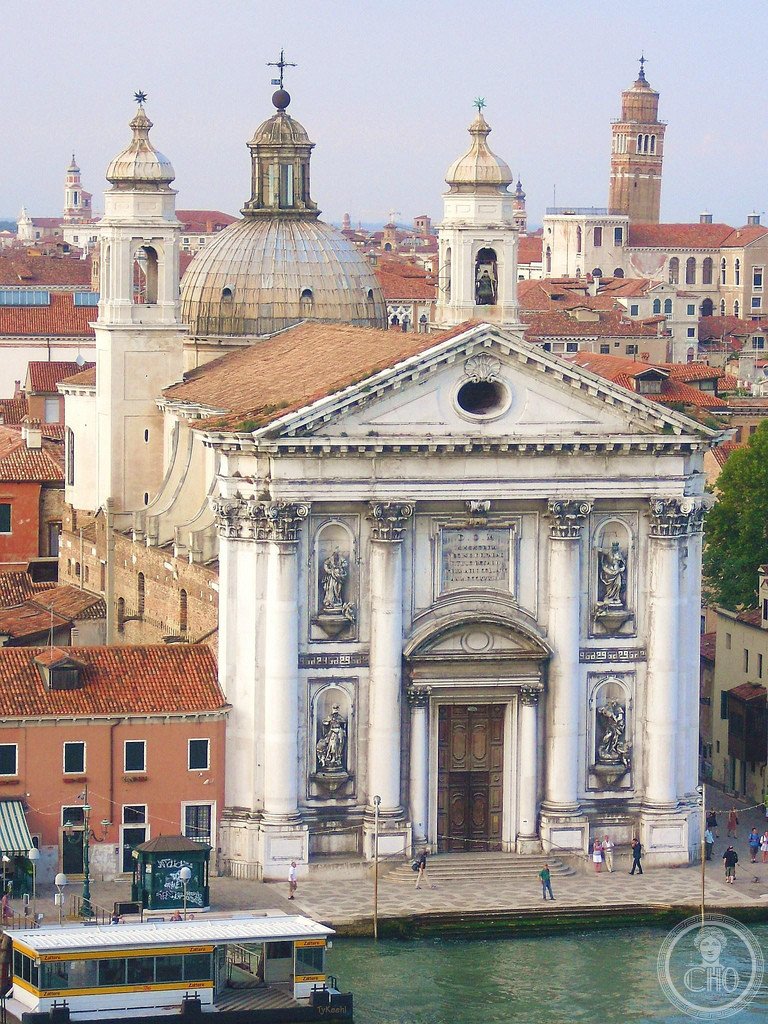
The Church of Santa Maria del Rosario, universally known as the Gesuati, stands on the Zattere waterfront in the Dorsoduro sestiere of Venice, overlooking the Giudecca Canal. Built by the Dominican order between 1726 and 1743 to designs by Giorgio Massari, it is one of the finest examples of Venetian eighteenth-century sacred architecture and is celebrated for an interior programme of ceiling frescoes by Giambattista Tiepolo — widely considered among his greatest works — together with altarpieces by Giambattista Piazzetta and Sebastiano Ricci.
- Type
- Dominican church
- Period
- 1726–1743
- Style
- Venetian Baroque / early Neoclassical
- Location
- Zattere, Dorsoduro, Venice, Italy
At a glance
- Type
- Dominican conventual church
- Period
- 1726–1743
- Style
- Venetian Baroque
- Architect
- Giorgio Massari
- Location
- Fondamenta Zattere al Pontelungo 918, Dorsoduro, Venice
- Coordinates
- 45.4295° N, 12.3251° E
Overview
The Gesuati is one of the essential stops on any itinerary through Venetian Baroque art, combining an exceptionally coherent architectural design by Giorgio Massari with a ceiling decoration by Giambattista Tiepolo that art historians rank among the supreme achievements of eighteenth-century painting. The church faces the broad Giudecca Canal, and its white Istrian stone facade gives it an imposing presence on the Zattere promenade. Today the church is administered by the Chorus Pass network of Venetian churches and is regularly open to visitors.
History
The site was originally occupied by a church of the lay Gesuati congregation (Apostolic Clerics of Saint Jerome), who gave the building its popular name despite having been suppressed by Pope Clement IX in 1668. The Dominican Friars of Santa Maria della Presentazione subsequently acquired the property and, judging the earlier church insufficient, commissioned Giorgio Massari in the 1720s to build a new, larger church. Construction proceeded from 1726 and was completed by 1743. Massari, who had studied with Domenico Rossi, produced a building of refined sobriety that serves as the perfect foil for Tiepolo’s exuberant ceiling frescoes, commissioned in 1737–1739.
What you see
The nave ceiling carries Tiepolo’s three large fresco fields depicting scenes from the life of Saint Dominic — the Institution of the Rosary, the Virgin appearing to Saint Dominic, and the Apotheosis of Saint Dominic — executed in a luminous, airy palette that makes the ceiling appear to open onto a painted sky. The first altar on the right holds Giambattista Piazzetta’s Saints Vincent Ferrer, Hyacinth and Louis Bertrand, a masterpiece of dramatic chiaroscuro; the third altar houses Piazzetta’s Vision of Saint Dominic. Sebastiano Ricci contributed the altarpiece of the Gesuati altar. The wooden choir stalls and the sacristy are also of note.
Cultural significance
The Gesuati is a key monument of the Venetian Settecento, demonstrating the city’s artistic vitality in a century when its political power was already in decline. Tiepolo’s ceiling frescoes represent the apogee of the illusionistic Baroque tradition in Venice and were decisive in establishing his European reputation, leading to subsequent commissions in Würzburg and Madrid. The church is listed among the historic sacred buildings protected under Italian cultural heritage law and is a recognised component of Venice’s World Heritage Site inscription.
Practical information
Address: Fondamenta Zattere al Pontelungo 918, 30123 Venezia VE. Open Monday to Saturday; check current hours at chorusvenezia.org, where Chorus Pass tickets (covering 16 Venetian churches) can also be purchased. Individual admission applies; the Chorus Pass offers the best value for visitors covering multiple churches.
Getting there
Take ACTV vaporetto line 2 or 5.1/5.2 to the Zattere stop, a few minutes’ walk from the church along the Fondamenta Zattere. From the Accademia bridge the walk along the Zattere waterfront takes approximately 10 minutes. Water taxis and traghetto gondola crossings from the Giudecca island also serve the Zattere embankment.
Sources & resources
See the place
Photo gallery
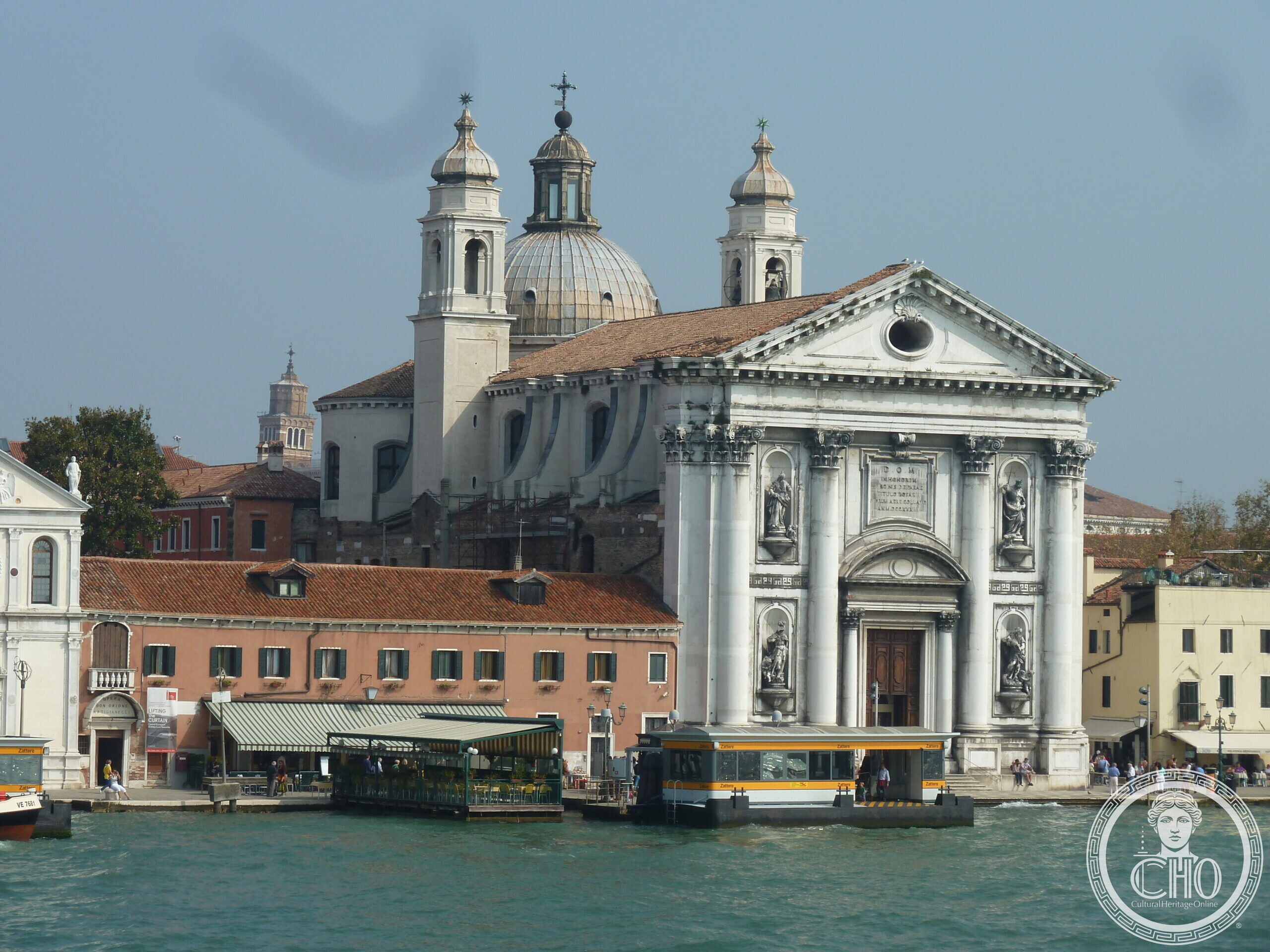
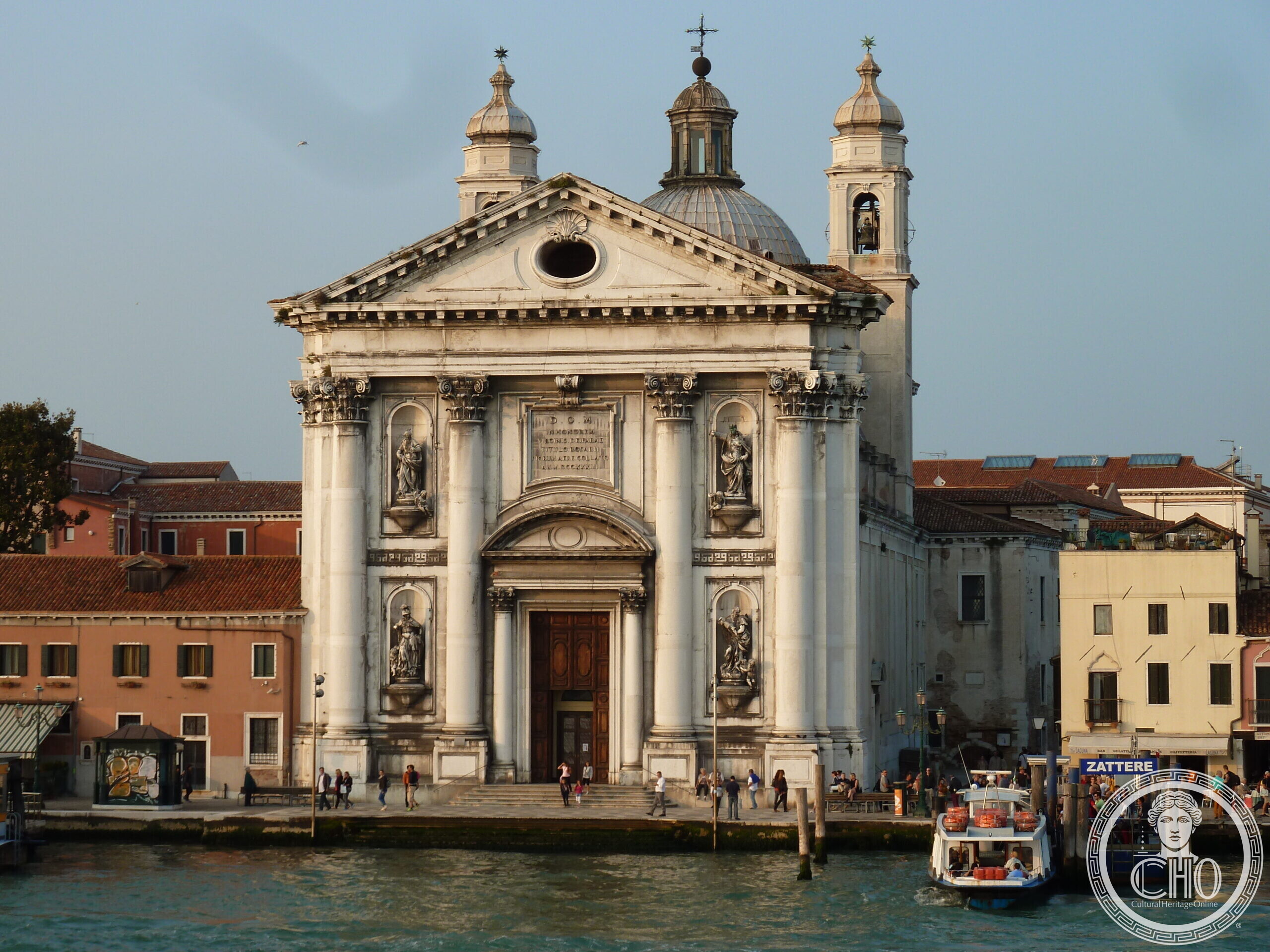
Photographs contributed by a Cultural Heritage Online member.
Find it on the map
See this place and what’s around it →📷 Become a Cultural Heritage Online photographer
Share your photos of places: they stay published under your name as the author. The more they're seen, the more you get noticed — and soon a contest will reward the most appreciated photos.
Log in or sign up free to add a photo