
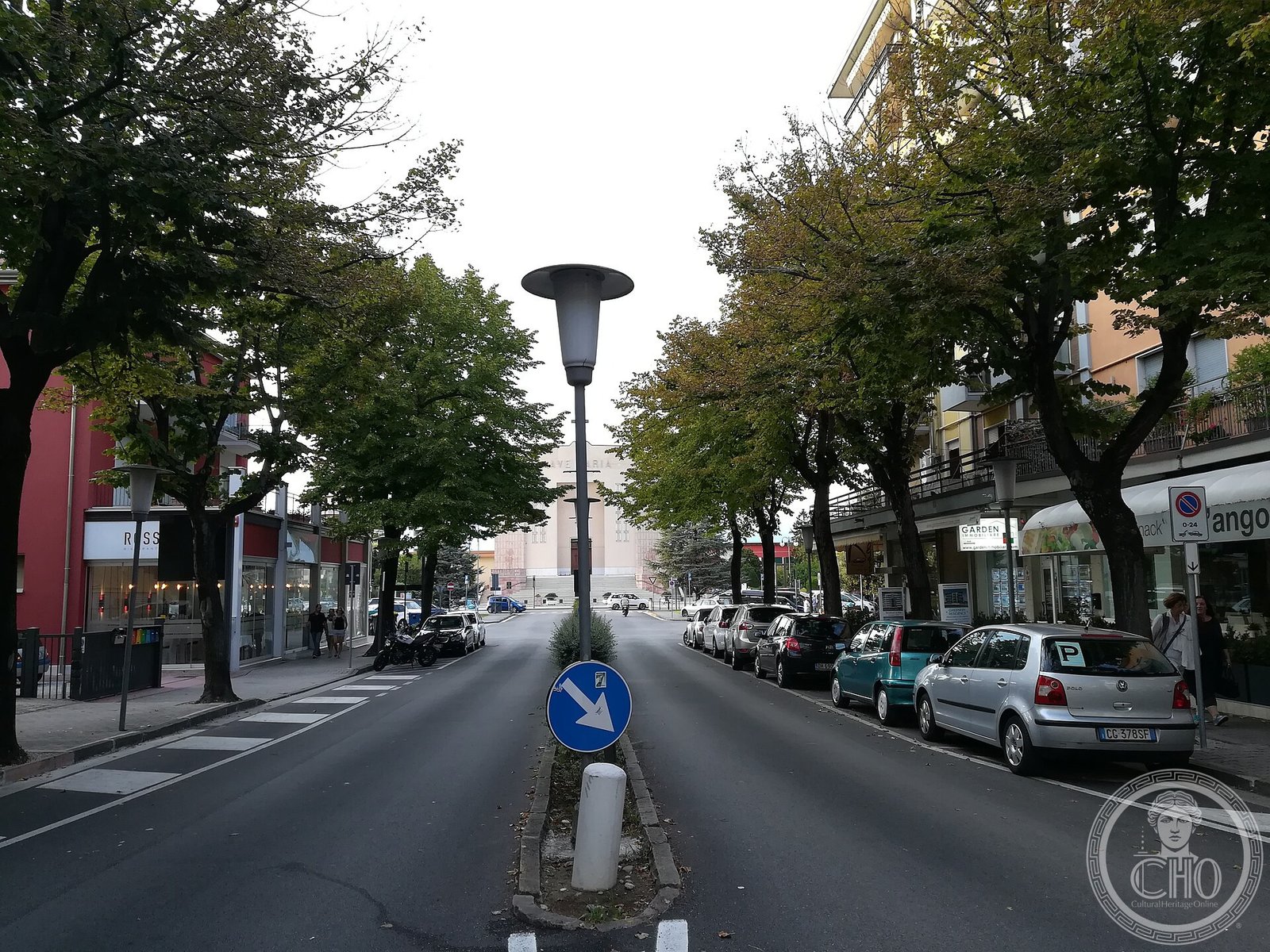
Hotel Gardenia
Hotel Gardenia is a historic hotel in the Venice lagoon area, representing the tradition of Belle Époque hospitality establishments that developed along the Venetian littoral and mainland in the late nineteenth and early twentieth centuries to accommodate the growing flow of international visitors to the region.
At a glance
- Type
- Historic hotel and hospitality heritage
- Period
- Late 19th – early 20th century
- Style
- Liberty / Belle Époque hotel architecture
- Location
- Venice lagoon area, Veneto, Italy
- Coordinates
- 45.5047° N, 12.6409° E
Overview
The Hotel Gardenia belongs to the tradition of grand hotels that flourished around Venice at the turn of the twentieth century, when the city became a fixture on the international Grand Tour circuit. Such establishments offered European and American travellers comfort and style calibrated to the tastes of the Belle Époque, typically featuring ornate facades, winter gardens, and rooms orientated toward the water or the lagoon. The Gardenia name — evoking the fashionable floral aesthetic of the era — was common to hotels seeking to project refinement and continental elegance.
History
Hotels named Gardenia appeared across northern Italy in the late nineteenth century as the domestic and international tourism industry expanded under the influence of improved rail connections and the rise of the leisure class. The Venice lagoon area in particular saw rapid hotel construction on the Lido, in Mestre, and along the littoral as the city attracted writers, artists, and aristocratic travellers from across Europe. Properties like the Gardenia served as social anchors for these visitor communities, hosting the kind of prolonged residential stays that characterised pre-war tourism.
What you see
Historic hotels in this tradition typically present a symmetrical facade with decorative ironwork balconies, tall windows, and a ground-floor loggia or garden terrace. Interior features generally include a vaulted dining room, period tiling, and ornamental stucco ceilings. The surrounding grounds, when preserved, often retain mature plantings including the gardenias and other flowering shrubs that gave such properties their evocative names.
Cultural significance
Hotels of this type formed an essential part of the infrastructure that made Venice one of the most visited cultural destinations in European history. Their architecture and interiors are documents of Belle Époque taste and of the social world in which Henry James, Marcel Proust, and Rainer Maria Rilke moved during extended Venetian sojourns. Preserving them contributes to understanding how cultural heritage and hospitality have been intertwined in the Veneto for over a century.
Practical information
- Location
- Venice lagoon area (Lido di Venezia / Mestre area), Veneto, Italy
- Current use
- Check official website for current operating status and booking information
Getting there
The Venice lagoon area is served by Venice Marco Polo International Airport and by Venice Santa Lucia railway station. From the station, vaporetto (water bus) lines connect to the Lido and other lagoon destinations. Bus and taxi connections are available to mainland Mestre. Check specific location details with the hotel directly for the most accurate transport directions.
Sources & resources
Find it on the map
See this place and what’s around it →📷 Diventa un fotografo di Cultural Heritage Online
Condividi le tue foto dei luoghi: restano pubblicate con la tua firma come autore. Più vengono viste, più ti fai conoscere — e presto un concorso premierà le foto più apprezzate.
Accedi o registrati gratis per aggiungere una foto