
Noto Cathedral is a Roman Catholic cathedral in Noto, southeastern Sicily, dedicated to the Nativity of the Blessed Virgin Mary and serving as the seat of the Diocese of Noto since 1844. Built in the Sicilian Baroque style following the catastrophic 1693 earthquake that destroyed the original city, the cathedral was constructed throughout the early 18th century and completed in 1776 atop a grand staircase facing Noto’s ceremonial main street, Corso Vittorio Emanuele. A dramatic partial dome collapse in 1996 led to a lengthy restoration, returning the cathedral to full use by 2007.
At a glance
- Type
- Roman Catholic cathedral (Diocese of Noto)
- Period
- Early 18th century; completed 1776; restored 1996–2007
- Style
- Sicilian Baroque
- Location
- Piazza Municipio, Noto, Province of Syracuse, Sicily
- Coordinates
- 37.0596° N, 15.2938° E
Overview
Noto Cathedral stands at the summit of the grand ceremonial staircase on Piazza Municipio, forming the most prominent monument in what UNESCO has designated — as part of the “Late Baroque Towns of the Val di Noto” — a World Heritage Site since 2002. The cathedral faces the Palazzo Ducezio (town hall) across the piazza in a theatrical urban composition that is considered the masterpiece of Sicilian Baroque town planning. Its dedication to the Nativity of the Virgin reflects the Marian devotion that shaped the rebuilt city’s sacred geography after the 1693 disaster.
History
The 1693 Val di Noto earthquake, one of the most destructive seismic events in European history, obliterated the original hilltop city of Noto Antica and prompted its complete refoundation on a new site below. Construction of the new cathedral began in the early 1700s under the patronage of the diocese and noble families of Noto, following a design tradition attributed — with disputed specifics — to Rosario Gagliardi and other Sicilian masters of the period. The building was consecrated in 1776. On 13 March 1996, the main dome and part of the nave collapsed, a structural failure that shocked Italy and triggered an international restoration effort funded by state and private donors; the cathedral reopened fully in 2007 with a restored dome faithful to the 18th-century design.
What you see
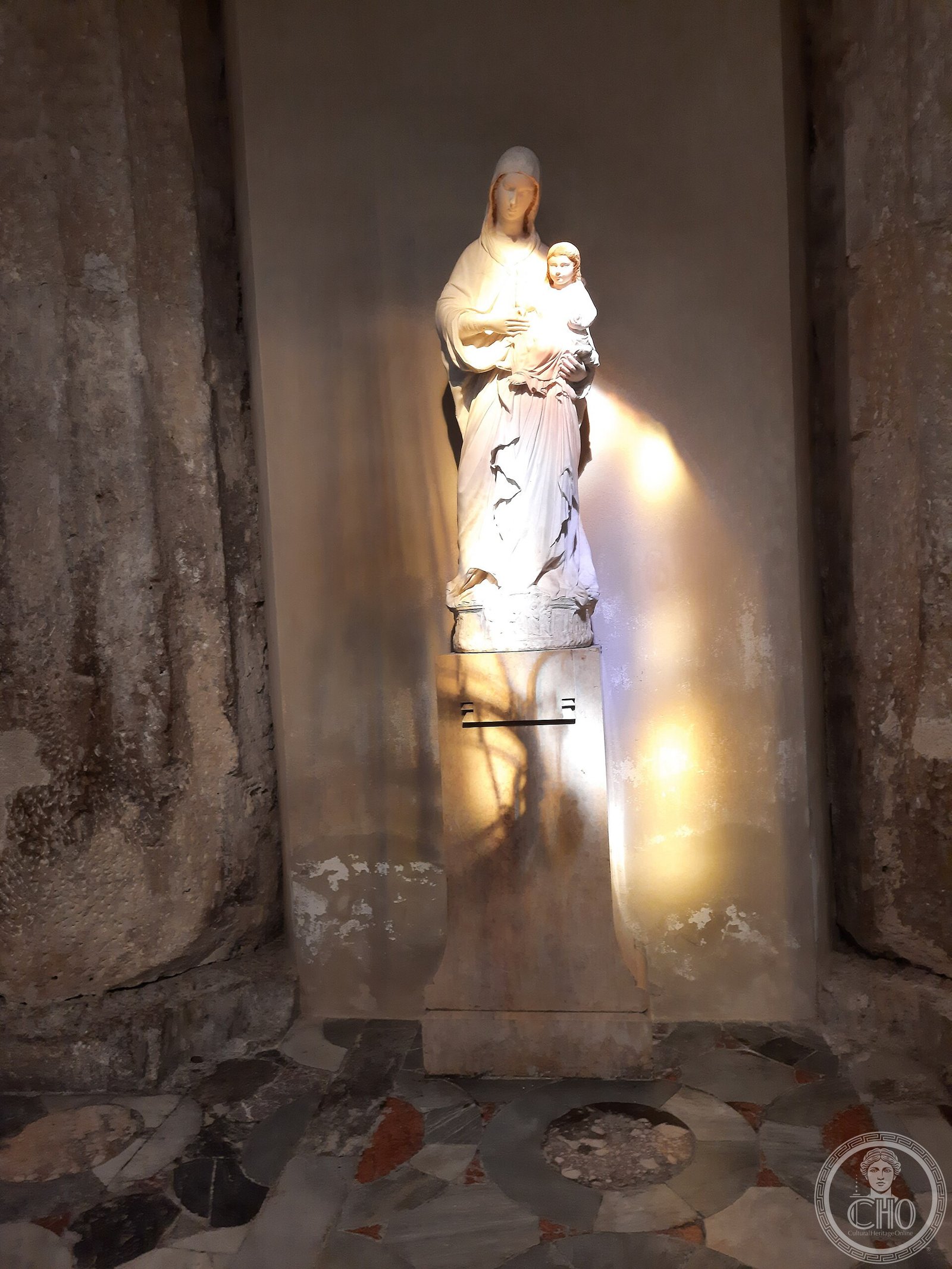
The cathedral’s two-tower facade, built in warm golden limestone characteristic of Noto, rises above a broad staircase and projects an imposing presence across the piazza. The interior, restored after the 1996 collapse, features a nave with side chapels, frescoed vaults, and ornate Baroque decorative detailing reinstated during the painstaking reconstruction. The restored dome overhead — rebuilt using historical documentation and traditional craftsmanship — is the most visible symbol of Noto’s resilience. From the piazza, the cathedral’s silhouette against the Sicilian sky forms one of the most photographed views in southern Italy.
Cultural significance
Noto Cathedral is the centrepiece of a UNESCO World Heritage urban ensemble that exemplifies how 18th-century Sicily transformed catastrophe into one of Europe’s most coherent and beautiful Baroque townscapes. Its 1996 collapse and subsequent restoration became a cause célèbre for Italian heritage conservation, drawing attention to the ongoing structural vulnerabilities of historic buildings in seismically active zones. The cathedral’s survival and renewal stand as a testament to both the fragility and the resilience of Southern Italian cultural heritage.
Practical information
- Address
- Piazza Municipio, 96017 Noto SR, Italy
- Hours
- Check official website for current opening hours; entry to the cathedral is generally free
- Note
- Part of the UNESCO “Late Baroque Towns of the Val di Noto” World Heritage Site
Getting there
Noto is in the Province of Syracuse in southeastern Sicily, approximately 32 km southwest of Syracuse. Regular Interbus and AST coach services connect Noto to Syracuse, Catania, and Palermo. The Noto railway station is 1.5 km from Piazza Municipio; the cathedral is reachable on foot via Corso Vittorio Emanuele in under 20 minutes. Rental cars from Catania–Fontanarossa airport offer the most flexible access; limited parking is available at the city perimeter.
Sources & resources
See the place
Find it on the map
See this place and what’s around it →📷 Become a Cultural Heritage Online photographer
Share your photos of places: they stay published under your name as the author. The more they're seen, the more you get noticed — and soon a contest will reward the most appreciated photos.
Log in or sign up free to add a photoIs this page about you?
This page is read by travellers and heritage enthusiasts who find it on Google. Tell us how you are connected to this place and we will take it from there.