
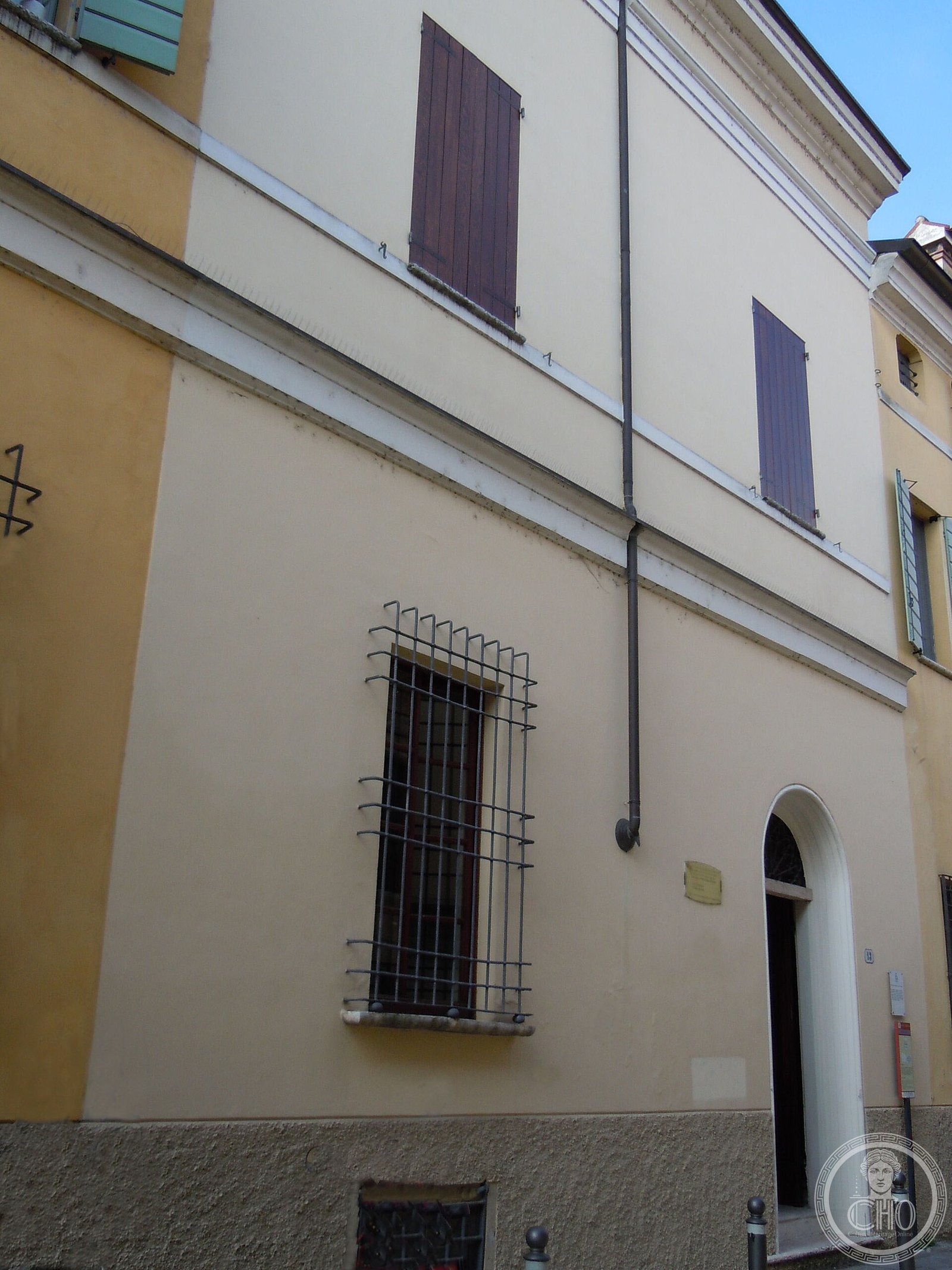
The Synagogue Tempio Norsa Torrazzo, also known as the Norsa-Torrazzo Synagogue, is one of the historic synagogues of Mantua, a city whose Jewish community dates back to the fourteenth century and which produced one of the most flourishing Jewish cultural scenes of Renaissance Italy. The synagogue preserves rare furnishings and liturgical objects that document the long continuity of Jewish life in the Gonzaga duchy and its aftermath, and is among the heritage sites managed along the Jewish itinerary of Mantua.
At a glance
- Type
- Historic synagogue (Jewish place of worship)
- Period
- Founded in the early modern period; current fixtures largely 17th–18th century
- Style
- Italian Jewish interior; Baroque furnishings
- Location
- Mantua (Mantova), Lombardy, Italy
- Coordinates
- 45.1548° N, 10.7951° E
Overview
Mantua’s Jewish community, established in the fourteenth century under the patronage of the Gonzaga lords, grew into one of the most intellectually vibrant in Renaissance and Baroque Italy — home to the playwright Leone de’ Sommi, the composer Salamone Rossi, and a remarkable tradition of Hebrew printing. The Tempio Norsa Torrazzo is named after two of the prominent families who historically patronised it and is one of several synagogues that once served the ghetto established in 1612. Today it belongs to the network of Mantua’s Jewish heritage sites, which the city has worked to preserve and open to cultural visitors as part of its UNESCO-listed historic centre.
History
The Jewish community of Mantua was formally established under the Gonzaga family and flourished particularly in the sixteenth century, when the city was a major centre of Hebrew scholarship, theatre and music. The ghetto was instituted in 1612, concentrating the community in a defined quarter that retained synagogues of different rites. The Norsa and Torrazzo families were among the notable Jewish merchant dynasties whose patronage supported the synagogue that bears their combined names. The congregation survived the upheavals of the Napoleonic era and the nineteenth-century emancipation, though the community was devastated by deportations during the Second World War.
What you see
The interior of the Tempio Norsa Torrazzo retains characteristic features of the northern Italian Jewish tradition: a central bimah (reading platform) balanced against the Torah Ark on the eastern wall, carved wooden furnishings, historic Torah mantles and silver liturgical objects, and inscribed memorial tablets. The room is relatively intimate in scale, as was typical of synagogues embedded within the confined spaces of the historic ghetto. The decorative programme reflects the Baroque aesthetic of the seventeenth and eighteenth centuries, when much of the current interior was likely consolidated.
Cultural significance
Together with the other synagogues of Mantua, the Tempio Norsa Torrazzo is a key monument in the memory of a Jewish community that made exceptional contributions to Italian Renaissance culture and whose history reflects both the creative possibilities and the precariousness of Jewish life under successive Italian regimes. Mantua’s Jewish heritage sites form part of the broader network of the Jewish Museum of Mantua, recognised nationally as a site of memory and culture.
Practical information
- Address
- Via Govi 11, 46100 Mantova MN, Italy (Jewish Community of Mantua area)
- Visiting hours
- Visits typically arranged through the Jewish Museum of Mantua or the Jewish Community; check official website
- Admission
- Check official website
Getting there
Mantua is served by the Mantova railway station with direct connections to Milan (about 1 hour 40 minutes), Verona (about 40 minutes) and Cremona. From the station the historic centre and the ghetto area are reachable on foot in about fifteen minutes or by local bus. By car, Mantua lies on the A22 motorway (Brennero–Modena) and the SP10 road from Brescia.
Sources & resources
See the place
Find it on the map
See this place and what’s around it →📷 Become a Cultural Heritage Online photographer
Share your photos of places: they stay published under your name as the author. The more they're seen, the more you get noticed — and soon a contest will reward the most appreciated photos.
Log in or sign up free to add a photoIs this page about you?
This page is read by travellers and heritage enthusiasts who find it on Google. Tell us how you are connected to this place and we will take it from there.