
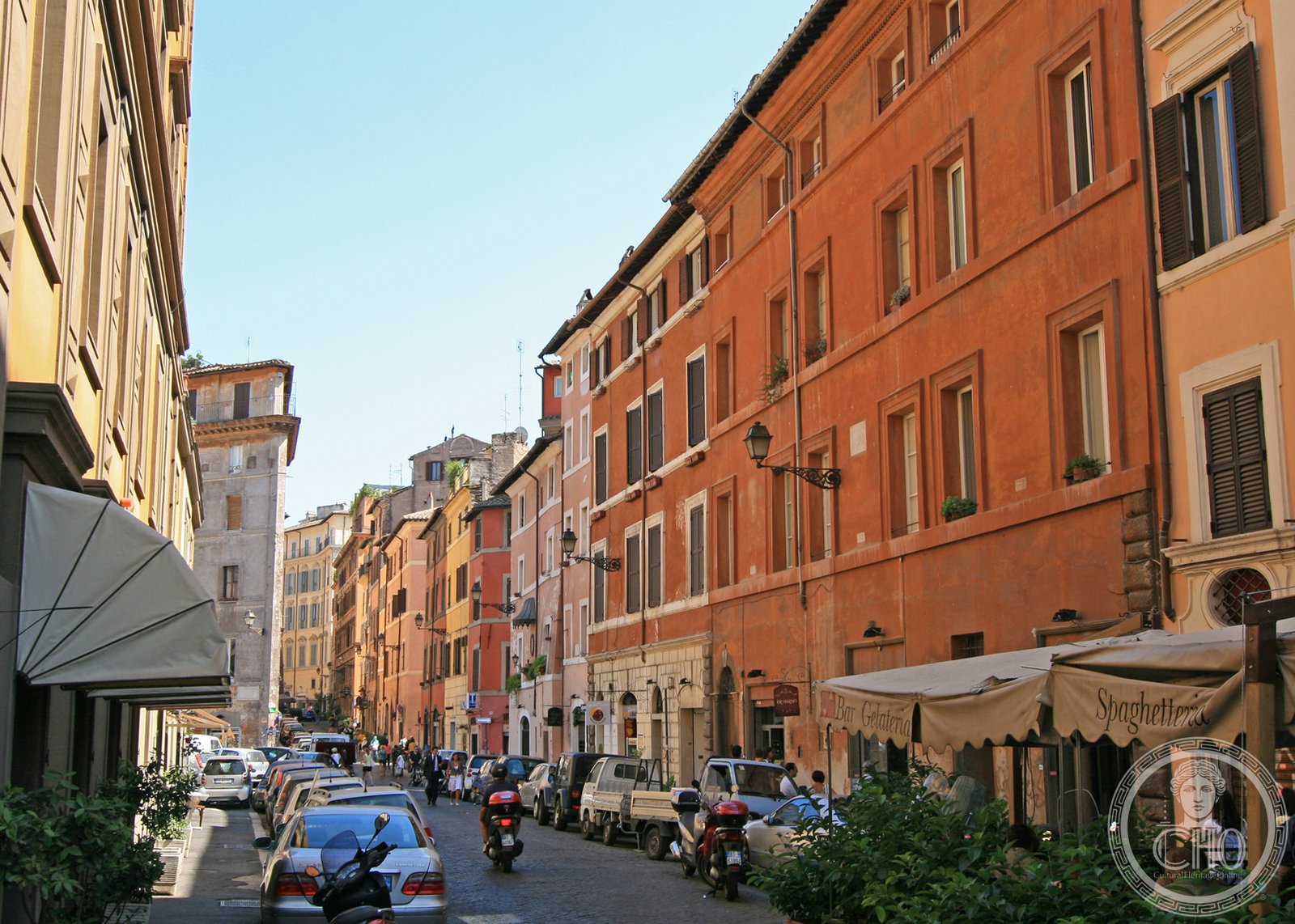
The District V Bridge is a road or pedestrian crossing associated with Rome’s fifth municipal district (Municipio V), situated in the eastern quarters of the Italian capital. Located in a densely populated residential zone east of the historic centre, the bridge serves as a key piece of urban infrastructure connecting neighbourhoods across the Aniene river or its tributary channels, reflecting Rome’s ongoing effort to integrate its peripheral districts with modern transit links.
At a glance
- Type
- Urban bridge / infrastructure crossing
- Period
- 20th–21st century
- Style
- Modern civil engineering
- Location
- Municipio V, Rome, Lazio, Italy
- Coordinates
- 41.9000° N, 12.4670° E
Overview
Rome’s Municipio V encompasses a vast swath of the city’s eastern territory, including the neighbourhoods of Prenestino, Centocelle, Torpignattara, and Pigneto — areas that grew rapidly through working-class settlement in the 20th century. Infrastructure projects in this zone have historically lagged behind the city’s historic core, making bridges and transit connections a recurrent focus of urban planning. The District V Bridge addresses connectivity in this context, linking communities across natural or man-made barriers within the municipio.
History
The eastern districts of Rome were largely developed outside the Aurelian Walls and thus outside the medieval and Renaissance urban fabric. Rapid population growth during the industrial era of the late 19th and early 20th centuries produced dense residential quarters that required new civic infrastructure. Bridge construction in these zones accelerated after World War II as Rome’s population expanded dramatically, and again after municipal reorganisation created formal district administrations responsible for local infrastructure. The District V Bridge reflects this longer history of peripheral urban integration.
What you see
The structure presents the utilitarian character typical of mid-20th-century Roman civil engineering, prioritising function and durability over ornament. Depending on the specific crossing, pedestrians and cyclists may share the span with vehicular traffic, or a dedicated walkway may be provided. Views from the bridge offer perspectives across Rome’s eastern urban fabric, with the possibility of sightlines toward the hills of the Castelli Romani on clear days. The surrounding streetscape reflects the layered archaeology of Rome’s 20th-century expansion.
Cultural significance
Urban bridges in Rome’s peripheral districts carry social as well as physical significance, embodying decades of community struggle for investment in neighbourhoods often overshadowed by the monumental historic centre. Municipio V has produced notable cultural figures, street art traditions, and neighbourhood cinema culture, and its infrastructure forms part of the lived heritage of eastern Rome.
Practical information
- Location
- Municipio V, Rome, Lazio — accessible via public transport on the eastern metro and bus networks
- Access
- Public road infrastructure; freely accessible
- Nearest landmarks
- Pigneto district, Centocelle Park, Via Prenestina
Getting there
Municipio V is served by Metro A (Centocelle and Malatesta stations on the Roma–Giardinetti line), multiple bus routes along Via Prenestina and Via Casilina, and the Roma–Giardinetti light rail. From Termini station, the area is reachable in 15–25 minutes by bus or tram. By car, the Grande Raccordo Anulare provides access from the east via the Prenestina or Casilina exits.
Sources & resources
- Cultural Heritage Online — Rome urban heritage
- Roma Capitale Municipio V: official municipal information for eastern Rome
See the place
Find it on the map
See this place and what’s around it →Historical events at this place (3)
📷 Become a Cultural Heritage Online photographer
Share your photos of places: they stay published under your name as the author. The more they're seen, the more you get noticed — and soon a contest will reward the most appreciated photos.
Log in or sign up free to add a photo