
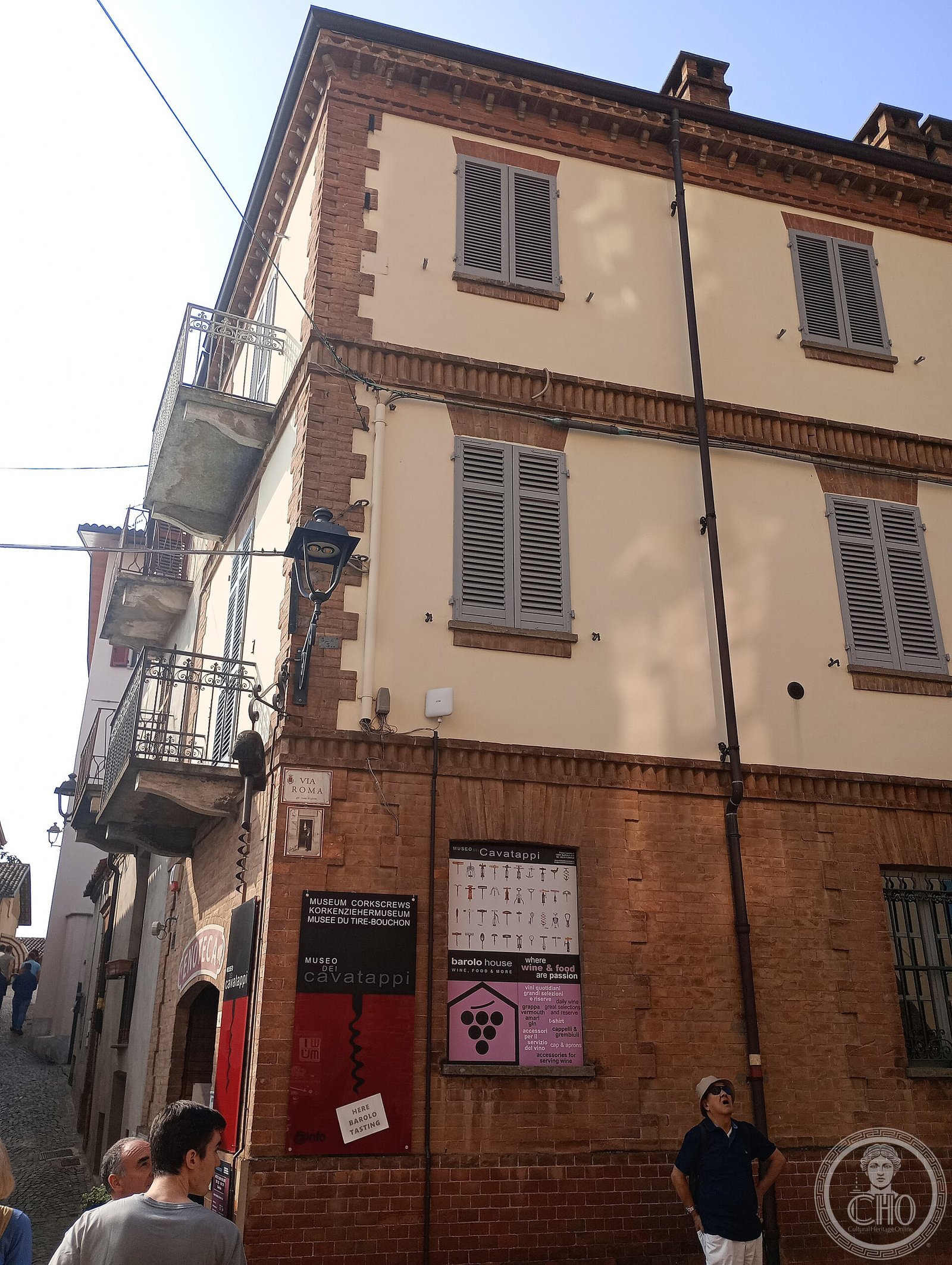
The Corkscrew Museum (Museo del Cavatappi) in the Cuneo area of Piedmont is a specialist collection dedicated to the history, technology and design of corkscrews — instruments whose evolution mirrors the history of the wine bottle itself. The museum brings together hundreds of examples spanning from the earliest 17th-century English screw-pulls to elaborate 19th-century mechanical levers, presenting the corkscrew as both a functional tool and an object of craft, design and social history intimately linked to Italian and European wine culture.
At a glance
- Type
- Specialty museum (wine tools and design objects)
- Period
- Collection spans 17th–20th century; contemporary museum setting
- Style
- Design and applied arts museum
- Location
- Province of Cuneo, Piedmont, Italy
- Coordinates
- 44.6107° N, 7.9439° E
Overview
The Cuneo province, at the heart of Piedmontese wine country neighbouring Barolo and Barbaresco, provides an apt setting for a museum devoted to the instrument that opens every wine bottle. The collection traces the corkscrew from its origins as a repurposed gun-cleaning worm in the late 17th century through its evolution into a precision implement and design object. Mechanical patents from Britain, France, Germany and Italy form the backbone of the collection, alongside examples of artisan craftsmanship in bone, ivory, silver and carved wood.
History
The corkscrew as a specific instrument appears in English records from the 1680s, soon after the cork-sealed glass wine bottle became standard. By the 18th century, silversmiths and metalworkers across Europe were competing to patent ergonomic designs: the double-lever, the rack-and-pinion, the wing mechanism. Italian workshops contributed their own variants, often combining functionality with decorative craft traditions. Private collections of corkscrews grew in the 20th century as the instruments were recognised as micro-monuments of industrial design history; the Cuneo museum formalises one such collection into a public resource for wine, design and technology enthusiasts.
What you see
Display cases arrange corkscrews by typology and period: simple T-bar pulls, folding bow-tie pocket corkscrews, elaborate double-lever “butterfly” models and rack-and-pinion designs that prefigure modern waiter’s friends. Alongside the instruments themselves, the museum exhibits labels, bottle-wax seals and promotional materials that contextualise each era’s wine culture. Particularly notable are 19th-century examples in precious materials — carved horn handles, silver filigree, engraved steel — that show the corkscrew elevated to a luxury accessory.
Cultural significance
Specialty museums of this kind — dedicated to a single class of object — are a valued strand of Italian museo diffuso culture, preserving knowledge of craft traditions and everyday design that mainstream institutions overlook. The Corkscrew Museum connects Piedmont’s world-renowned wine heritage to the material culture of its consumption, offering designers, historians and wine professionals a rare scholarly and sensory resource.
Practical information
Visiting hours and admission details vary; the museum is best visited by appointment or during advertised opening times. Check with local tourism offices in the Cuneo area for current schedules. The museum may be combined with visits to nearby wine estates and the broader Langhe and Monferrato wine landscape (a UNESCO World Heritage Site since 2014).
Getting there
By car: the museum is located in the Province of Cuneo, accessible from the A6 Torino–Savona motorway (exit Fossano or Mondovì depending on exact location) or the A33 Asti–Cuneo. Cuneo city is the main transport hub, served by rail from Turin (approximately 1 hour). Local buses connect Cuneo with smaller towns in the province; confirm the exact address when planning.
Sources & resources
See the place
Find it on the map
See this place and what’s around it →📷 Become a Cultural Heritage Online photographer
Share your photos of places: they stay published under your name as the author. The more they're seen, the more you get noticed — and soon a contest will reward the most appreciated photos.
Log in or sign up free to add a photoIs this page about you?
This page is read by travellers and heritage enthusiasts who find it on Google. Tell us how you are connected to this place and we will take it from there.