
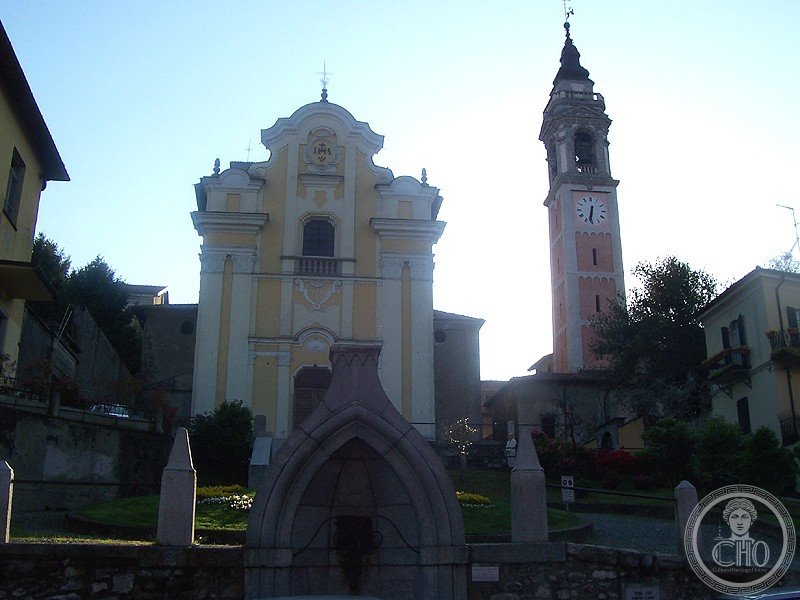
ArcheoMuseum — Angera
The ArcheoMuseum in Angera, on the western shore of Lake Maggiore in Varese province, is a community archaeological museum dedicated to the prehistoric and Roman heritage of the Angera area. Housed in the historic centre of Angera, the museum preserves finds from local excavations spanning the late Bronze Age through the Roman imperial period, including material recovered from the important Roman site at Angera (ancient Industria Verbani). It serves as the primary point of reference for the deep history of the southern Lake Maggiore basin.
At a glance
- Type
- Archaeological museum
- Period covered
- Late Bronze Age to Roman imperial period
- Style
- Community heritage museum
- Location
- Angera, Provincia di Varese, Lombardia, Italy
- Coordinates
- 45.7608° N, 8.5606° E
- Function
- Conservation and display of local archaeological finds
- Current use
- Active museum open to the public
Overview
Angera occupies a strategic position at the southern tip of Lake Maggiore, where the Ticino river valley meets the foothills of the pre-Alps. Human settlement here reaches back to at least the late Bronze Age, and the town developed into a significant Roman centre known for river trade and military logistics. The ArcheoMuseum gathers and interprets this long history through objects recovered from local digs, providing visitors with a coherent picture of life on the lake before and during the Roman conquest of northern Italy.
History
Archaeological investigation around Angera intensified in the 20th century, revealing extensive cemeteries and settlement layers that demonstrated the site’s continuous importance from the Golasecca culture through the Roman period. The museum was established to give a permanent home to finds that would otherwise have been dispersed to larger regional institutions, keeping the heritage visible within the community that produced it. Its collections document the gradual Romanisation of the Insubrian peoples who inhabited the lake district before and after the Roman campaigns of the 2nd and 1st centuries BC.
What you see
The museum displays pottery, bronze tools, funerary objects and personal ornaments arranged chronologically from the prehistoric through the Roman periods. Particular attention is given to the burial evidence, which illustrates both indigenous Golasecca cultural practices and the gradual adoption of Roman funerary rites. Epigraphic fragments and architectural elements from the local Roman town round out the collection, giving a sense of the built environment of ancient Angera. Interpretive panels in Italian contextualise each find within the broader history of the region.
Cultural significance
The ArcheoMuseum plays an important role in local cultural identity, anchoring the history of Lake Maggiore’s western shore to tangible physical evidence rather than written tradition alone. For scholars of northern Italian protohistory it is a key reference point for the Golasecca culture, a distinctive Iron Age civilisation that flourished in the lake district before contact with Celtic and Roman worlds reshaped the region.
Practical information
- Address
- Angera, Provincia di Varese, Lombardia, Italy
- Hours
- Check official website or local tourist office for current opening times and seasonal variations
- Admission
- Check official website for current tariffs
- Contact
- Check official website for details
Getting there
Angera is accessible by car via the SS629 along the western shore of Lake Maggiore, approximately 15 km south of Arona. Regular ferry services connect Angera to Arona on the Piedmontese shore; Arona has direct rail links to Milan (Centrale) and to the Simplon international line. Local buses link Angera to Varese and to Sesto Calende.
