
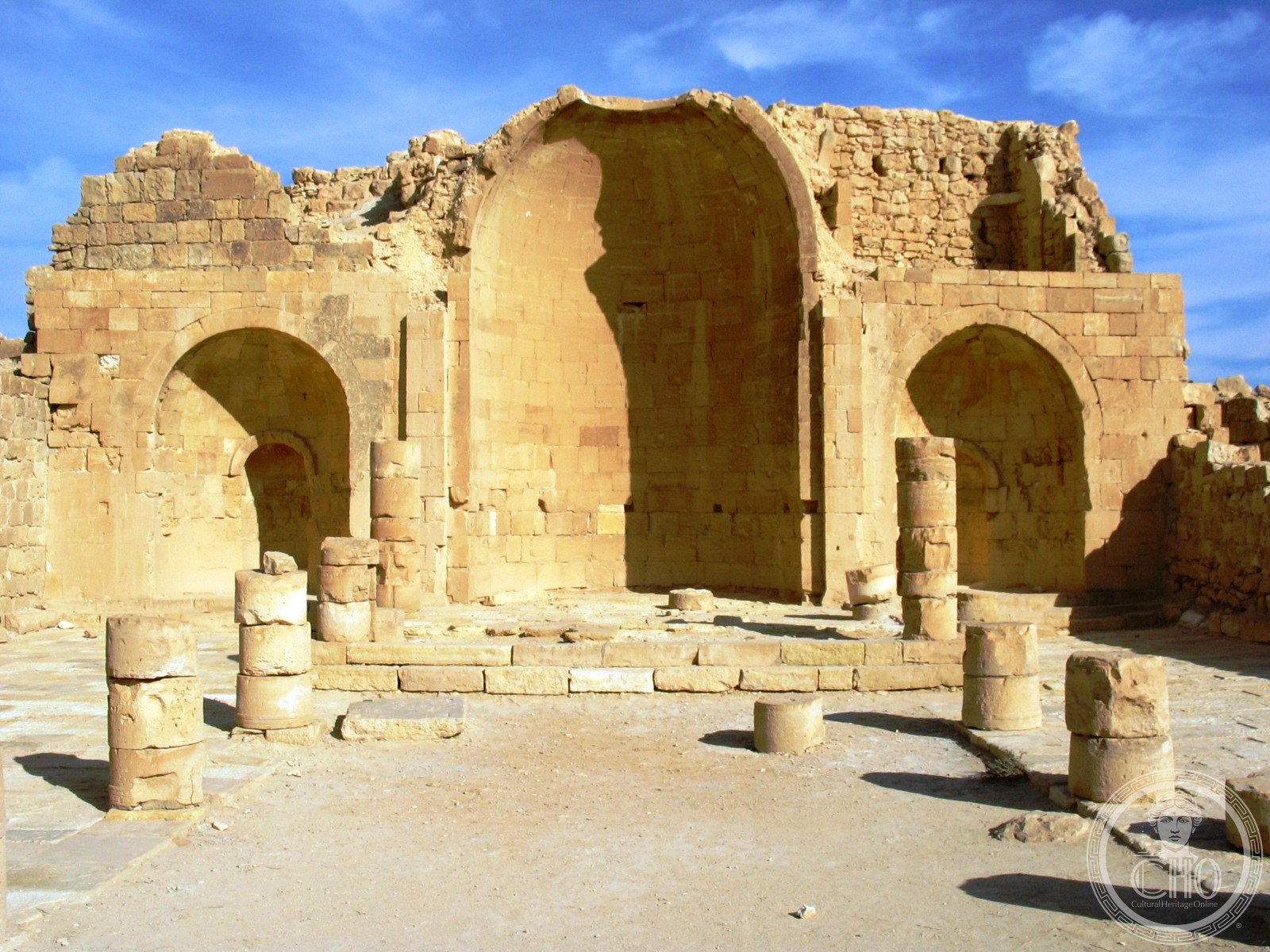
An ancient desert city in Israel’s Negev, Shivta preserves traces of a once-thriving hub on the Incense Route that connected Arabia to the Mediterranean.
At a glance
Shivta lies 43 kilometers southwest of Beersheba. The site comprises ruins of Byzantine-era structures built along trade routes that flourished in antiquity, now part of a UNESCO World Heritage designation recognizing the Desert Cities of the Negev.
History
Known in Greek as Sobata and in Arabic as Subeita, Shivta developed as a crucial waystation on the Incense Route. The Greek name appears in the Nessana papyri, documents that illuminate trade and daily life in the region. The modern Hebrew name Shivta was assigned by the Negev Naming Committee in the early 1950s, part of Israel’s effort to recover ancient place names after independence.
What you see
The remains at Shivta reflect Byzantine settlement patterns adapted to desert conditions. Structures demonstrate how inhabitants managed water and commerce in an arid landscape, offering insight into ancient desert urbanism and adaptation.
Cultural significance
Shivta embodies the pivotal role desert cities played in connecting distant regions through trade. In 2005, UNESCO recognized it alongside Haluza, Avdat and Mamshit as part of the Incense Route heritage, acknowledging these settlements as testimony to commercial and cultural exchange spanning continents and centuries.
Key facts
- Country: Israel
- Location: Negev Desert, 43 km southwest of Beersheba
- Coordinates: 30.88°N, 34.63°E
- UNESCO World Heritage Site: Designated June 2005 (Incense Route and Desert Cities of the Negev)
Practical information & getting there
Shivta is accessible by vehicle from Beersheba. The site lies in the open desert; visitors should prepare for exposure to sun and heat, and bring adequate water. Contact local tourism authorities in the Negev for current access conditions and visitor facilities.
Sources & resources
Find it on the map
See this place and what’s around it →📷 Become a Cultural Heritage Online photographer
Share your photos of places: they stay published under your name as the author. The more they're seen, the more you get noticed — and soon a contest will reward the most appreciated photos.
Log in or sign up free to add a photoIs this page about you?
This page is read by travellers and heritage enthusiasts who find it on Google. Tell us how you are connected to this place and we will take it from there.